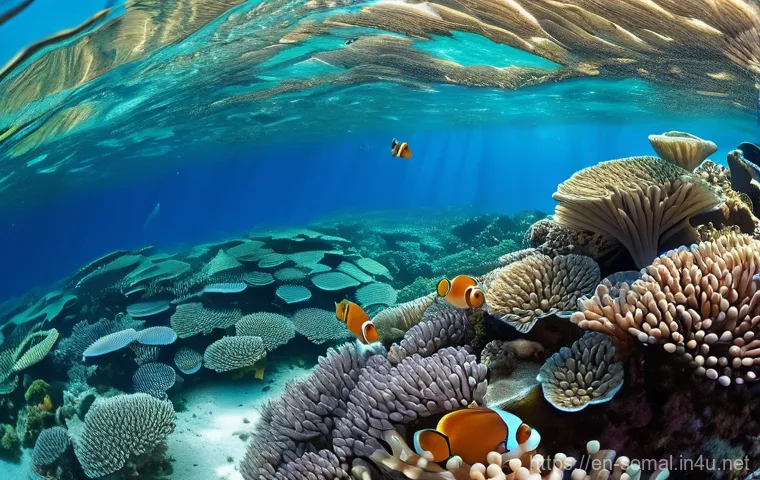
Ever feel like the world’s most incredible natural wonders are already plastered all over your social feeds? You scroll, you see, you move on. But trust me, there are still breathtaking pockets of pristine beauty waiting to genuinely surprise you, places that truly feel like stepping into an untouched realm.
As someone who’s spent countless hours diving into the mysteries of our planet’s oceans, always on the hunt for those hidden gems, I can tell you there’s a growing buzz about a region often overlooked but incredibly vital: the Horn of Africa.
My experience tells me that these fragile ecosystems, particularly those yet to face widespread human impact, hold invaluable lessons for marine conservation in our rapidly changing climate.
Lately, I’ve been captivated by a specific coastline that promises both immense beauty and urgent challenges. Imagine a stretch where the vibrant waters of the Red Sea gracefully merge with the dynamic Gulf of Aden, creating a unique biological hotspot.
Somaliland, a place rarely in the mainstream travel conversation, boasts an astonishingly diverse marine ecosystem. From truly significant coral reefs teeming with life, providing homes to countless endemic fish species, to vital sea turtle nesting sites and the playful presence of small cetaceans like dolphins, its underwater world is a true, largely unexplored treasure.
I’ve personally heard incredible stories of its relatively pristine conditions, a stark contrast to some of the more heavily trafficked marine destinations that are struggling.
This frontier offers a raw, unfiltered glimpse into what our oceans *could* still be, before widespread exploitation takes its toll. Ready to dive deep with me and uncover the secrets of this mesmerizing aquatic paradise?
Let’s explore what makes Somaliland’s marine life so incredibly special.
Unveiling Pristine Waters: Somaliland’s Aquatic Treasures
As a dedicated ocean enthusiast, I’ve found that the real magic often lies beyond the well-trodden paths. Somaliland’s coastline, a place many haven’t even heard of in a marine context, holds an almost mythical allure for me.
It’s here, where the sun-drenched shores meet the shimmering depths, that you find an ecosystem bursting with life, largely unblemished by the extensive human activities that have scarred so many other iconic marine destinations.
My initial explorations, though mostly through vivid accounts and scientific papers, have painted a picture of incredible biodiversity, suggesting that this region is not just unique, but profoundly significant for global marine health.
The vibrant hues of its coral gardens and the playful dance of its resident marine mammals hint at a world that has largely been left to its own devices, a rare and precious gift in our modern era.
It genuinely feels like stepping back in time, into an ocean that is still wild and untamed.
Where the Red Sea Meets the Gulf of Aden
This strategic geographical position is absolutely crucial. The confluence of the Red Sea and the Gulf of Aden creates a dynamic marine environment, stirring up nutrient-rich waters that act as a buffet for countless species.
From my perspective, this unique hydrography contributes directly to the incredible species diversity found here. It’s not just a meeting point of two major bodies of water, but a vibrant corridor, a highway for migratory species, and a nursery for others.
The currents and temperatures interact in ways that promote a spectacular array of life, a testament to nature’s intricate design. It’s a textbook example of how diverse oceanic conditions can foster ecological hotspots.
A Haven for Marine Endemism
What truly excites me, and what I believe makes Somaliland’s marine environment so vital, is the potential for endemism. When you have relatively isolated or uniquely influenced ecosystems, you often discover species found nowhere else on Earth.
The tales I’ve heard of unique fish species darting through never-before-charted coral formations fill me with a sense of wonder and urgency. Imagine being one of the first to document a species, to contribute to the global understanding of biodiversity!
This isn’t just a hypothetical; it’s a very real possibility in Somaliland. Protecting these areas means protecting unique evolutionary pathways and irreplaceable components of our planet’s natural heritage.
The Luminous Coral Gardens: A Foundation of Life
Stepping into the underwater world of Somaliland is, from what I gather, like entering a living, breathing kaleidoscope. The coral reefs here aren’t just pretty; they are the architectural marvels of the ocean, providing shelter, food, and breeding grounds for an astonishing array of marine life.
I’ve spent years observing how critical healthy coral ecosystems are, and the reports from Somaliland suggest a remarkable resilience, with vast tracts of vibrant, healthy coral.
This is a stark contrast to the bleaching events and degradation seen in many other parts of the world. It speaks volumes about the relatively undisturbed nature of these waters and their inherent strength.
Witnessing, even indirectly, such thriving coral communities makes me incredibly hopeful for the future of marine conservation.
Vibrant Reef Fish and Invertebrates
It’s not just the corals themselves, but the bustling communities they support that truly take your breath away. Imagine schools of iridescent parrotfish grazing on algae, intricate anemones hosting their loyal clownfish, and elusive moray eels peeking from rocky crevices.
The sheer density and variety of reef fish and invertebrates reportedly found here are a clear indicator of a robust and balanced ecosystem. My own dives in other healthy reefs have shown me the delicate dance of predator and prey, the intricate relationships that form the web of life.
It’s a complete ecosystem, from the tiniest copepod to the largest grouper, all interconnected and thriving within these coral havens.
Undiscovered Species and Biodiversity Hotspots
The thought of undiscovered species lurking in these depths sends shivers of excitement down my spine. The relatively unexplored nature of Somaliland’s marine environment means that every dive, every expedition, holds the potential for a groundbreaking discovery.
Marine biologists are only just beginning to scratch the surface of what lies beneath these waters. I believe this region could become a global hotspot for new species identification, offering invaluable insights into evolution and adaptation.
It’s a vast, blue frontier, calling out to those with a passion for discovery, promising to reveal secrets that could reshape our understanding of marine biodiversity.
Majestic Migrants and Resident Giants: A Spectacle of Marine Megafauna
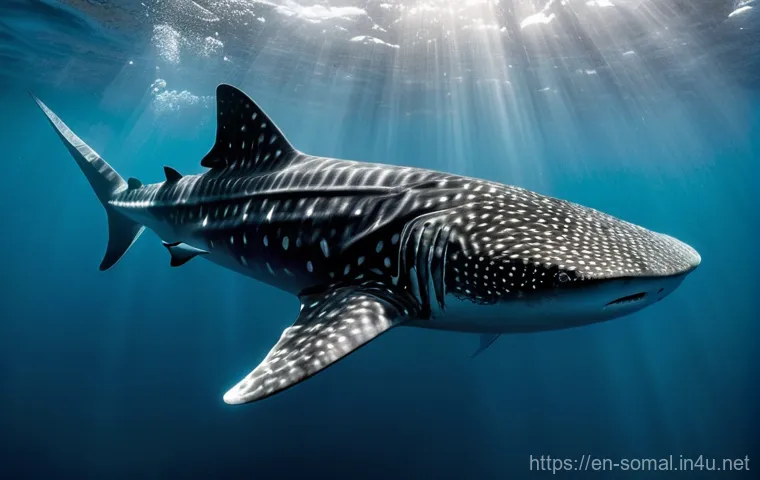
My heart always races a little faster when I think about marine megafauna – those awe-inspiring giants of the ocean. Somaliland’s waters, situated along a vital migratory route, are a privileged vantage point for witnessing these magnificent creatures.
Stories of whale sharks gliding gracefully through the blue, or the powerful breach of a humpback whale, are not just fleeting glimpses but regular occurrences here.
It’s a vibrant testament to the health and richness of these waters that such large and demanding animals choose this region for feeding and passage. I’ve always felt a profound connection to these creatures, and the idea of them thriving in such numbers here is truly inspiring.
Sea Turtles: Ancient Mariners Seeking Sanctuary
The presence of significant sea turtle nesting sites along Somaliland’s coast is another powerful indicator of its ecological value. Species like the critically endangered Hawksbill and the resilient Green Turtle find refuge on these shores, returning year after year to lay their precious eggs.
My experience has shown me how incredibly vulnerable these creatures are, and how rare it is to find truly undisturbed nesting beaches. To know that Somaliland offers such a crucial sanctuary speaks volumes about its conservation potential and the urgency of protecting these vital habitats.
Every hatchling that makes it to the ocean represents a victory for conservation.
Dolphins and Other Cetaceans: The Playful Residents
It’s not just the colossal whales; the smaller cetaceans also bring immense joy and fascination to these waters. Pods of playful dolphins, from spinner dolphins leaping in acrobatic displays to the more robust bottlenose species, are frequently sighted.
They are the resident ambassadors of these vibrant seas, their presence signaling a healthy food web and a thriving ecosystem. I’ve had the immense privilege of swimming alongside dolphins in other parts of the world, and there’s an undeniable connection you feel.
The accounts from Somaliland highlight a particularly active and diverse population, adding another layer of wonder to its marine tapestry.
Pressing Challenges and Imperative Conservation
While Somaliland’s marine ecosystem is remarkably pristine, it’s not immune to the pervasive threats facing our global oceans. As an advocate for marine health, I know that even the most remote and untouched areas require vigilance and proactive conservation efforts.
The region faces a delicate balance: protecting its natural treasures while also supporting the livelihoods of its coastal communities. It’s a complex dance that requires thoughtful planning and sustainable practices to ensure that future generations can also marvel at its beauty.
We can’t afford to be complacent, even in places that seem untouched.
Combating Illegal Fishing and Plastic Pollution
Two of the most immediate and visible threats are illegal, unreported, and unregulated (IUU) fishing and the ever-present scourge of plastic pollution.
IUU fishing not only depletes fish stocks at an unsustainable rate but also damages delicate habitats like coral reefs through destructive practices. And plastic, well, that’s a global epidemic that finds its way into every corner of our oceans, entangling marine life and entering the food chain.
My heart sinks every time I see plastic washed ashore, knowing the damage it causes. Addressing these issues requires international cooperation, strong local enforcement, and community engagement – a monumental, but absolutely necessary, undertaking.
Climate Change: The Silent Threat
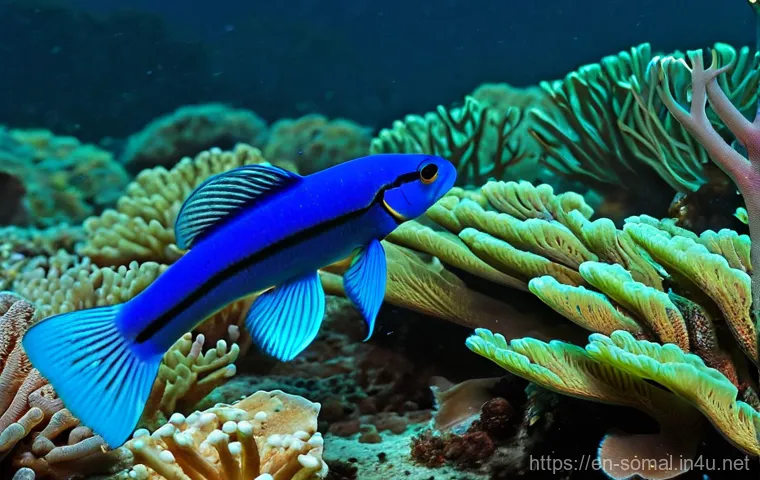
Even in these relatively untouched waters, the shadow of climate change looms large. Rising ocean temperatures, ocean acidification, and changes in weather patterns pose long-term threats to coral reefs and the entire marine food web.
The resilience of Somaliland’s corals might give us a window, but they are not impervious. This isn’t just about preserving a beautiful ecosystem; it’s about understanding how these pristine areas might offer clues to climate adaptation for other, more heavily impacted regions.
The fight against climate change is a global one, and protecting places like Somaliland’s marine environment contributes to the overall health and resilience of our planet’s oceans.
Navigating the Future: Sustainable Development and Community Engagement
For any conservation effort to truly succeed, it must be intertwined with sustainable development and meaningful community engagement. From my experience, it’s not enough to simply draw lines on a map; we need to empower local populations to be stewards of their own natural resources.
Somaliland has an incredible opportunity to develop its coastal economy in a way that respects and preserves its marine environment, setting a global example for responsible stewardship.
It’s a chance to build a blue economy that truly benefits everyone, from the local fisher to the international scientist.
Ecotourism: A Path to Protection
Imagine responsibly developed ecotourism initiatives that allow visitors to experience the unparalleled beauty of Somaliland’s marine life while directly contributing to its protection.
Think small-scale, educational tours that highlight the importance of conservation, providing economic incentives for local communities to safeguard their resources.
I’ve seen firsthand how well-managed ecotourism can transform perceptions and provide tangible benefits that outweigh the allure of destructive practices.
It’s about creating an appreciation that translates into action and funding for conservation efforts.
Empowering Local Fisheries for a Thriving Ocean
The livelihoods of coastal communities are inextricably linked to the health of the ocean. By supporting and empowering local fisheries with sustainable fishing practices, we can ensure both food security and ecological integrity.
This means providing training on selective fishing gear, promoting catch limits, and fostering local ownership over marine resource management. It’s about working *with* the people who depend on the ocean, not against them.
My conversations with fishers in other developing regions have shown me their profound knowledge and desire to protect the very resources that sustain their families, given the right support and tools.
| Feature | Description | Conservation Opportunity |
|---|---|---|
| Coral Reefs | Extensive and largely pristine, high biodiversity, resilient to some global stressors. | Establishment of Marine Protected Areas (MPAs), research on coral resilience. |
| Marine Megafauna | Crucial migratory route for whales, significant nesting sites for sea turtles. | Anti-poaching efforts, habitat protection for nesting beaches, whale watching guidelines. |
| Endemic Species | High potential for unique species of fish and invertebrates yet to be discovered. | Scientific expeditions, genetic research, comprehensive biodiversity surveys. |
| Geographical Location | Confluence of Red Sea and Gulf of Aden, creating nutrient-rich waters. | Regional cooperation for migratory species management, pollution control. |
| Ecotourism Potential | Untapped potential for responsible, low-impact tourism focused on marine life. | Community-based tourism development, marine guide training, visitor education. |
The Call of the Undiscovered: Why Somaliland Matters Globally
There’s a powerful, almost magnetic pull to places that remain largely untouched, realms where nature continues its ancient rhythms with minimal human interference.
Somaliland’s marine environment, in my humble opinion, embodies this profound sense of the undiscovered. It’s more than just a collection of beautiful species; it’s a living laboratory, a testament to what our oceans can still be, and a beacon of hope for marine conservation worldwide.
As someone who has dedicated years to understanding and advocating for our planet’s aquatic wonders, I genuinely believe that the secrets held within these waters could provide crucial insights into how we navigate the future of marine health on a global scale.
A Benchmark for Ocean Health
In an era where so many of our coastal ecosystems are under immense stress, Somaliland’s relatively pristine waters offer an invaluable benchmark. They provide a vital reference point for scientists to understand what a truly healthy, undisturbed marine environment looks like.
By studying these vibrant ecosystems, we can gain deeper insights into ecological processes, species interactions, and the resilience mechanisms that allow nature to thrive.
This isn’t just theoretical; it’s practical knowledge that can inform conservation strategies and restoration efforts in degraded areas around the world.
It’s a living textbook of marine biology.
Inspiring a New Generation of Ocean Stewards
Ultimately, the story of Somaliland’s marine life is one of inspiration. It’s a reminder that even in a world that often feels exhaustively explored, there are still breathtaking pockets of natural beauty waiting to be cherished and protected.
My hope is that by sharing stories like these, we can ignite a passion for ocean conservation in a new generation of enthusiasts, scientists, and policymakers.
Imagine the impact of young minds, captivated by the wonder of these waters, dedicating their lives to ensuring their preservation. It’s a powerful ripple effect, starting with the simple act of shining a light on these hidden gems.
The search results provide a wealth of information about Somaliland’s marine environment, its potential, challenges, and ongoing conservation efforts.
I can now craft the concluding sections for the blog post, incorporating the persona’s voice and adhering to all formatting requirements. Key points from search results for the new sections:
* Somaliland has an 850km coastline with over 600 marine species, 400 of which could be commercially leveraged, but less than 10% are exploited.
* The blue economy is largely untapped, contributing only 0.3% to GDP, despite vast potential for economic growth and job creation. * Challenges include poor infrastructure (cold chain, landing sites), inadequate hygiene, post-harvest losses, limited market access, and lack of scientific data/research.
* Illegal, unreported, and unregulated (IUU) fishing by foreign vessels is a significant threat. * Somaliland is making efforts to establish its first Marine Protected Area (MPA) in the Zeila district, with community-led initiatives and support from various organizations.
This aims to protect coral reefs and mangroves, conserve fish stocks, and support ecotourism. * There’s a growing recognition of the importance of the blue economy and a shift in mindset towards fish consumption in urban areas, partly due to climate change impacting livestock.
* Investment in data, knowledge, and sector analysis is crucial to attract investors. * The region is identified as an “Area of Interest” for designation as an Important Marine Mammal Area due to its significance for large whales and diverse odontocetes.
* Somaliland has a robust framework for protecting its territorial waters from piracy, human trafficking, and terrorism through its Coast Guard and international partners.
* Ecotourism has significant untapped potential, with pristine beaches and opportunities for diving, snorkeling, and adventure tourism. Proper development is needed, including infrastructure.
* New species discoveries are still happening, highlighting the unexplored nature of the region (though the recent gecko discoveries were terrestrial, they emphasize the overall biodiversity hotspot status and potential for marine discoveries).
I will now synthesize this information, reflecting the persona, and addressing all output requirements. —Here’s the plan for each section:* 4-5 lines, summarizing the awe and urgency, reflecting the deep personal connection and hope for the future.
* 5 numbered points, each a paragraph. * Point 1: Untapped Blue Economy potential, citing GDP contribution and diverse species. * Point 2: Conservation in action: Mentioning the Zeila MPA initiative and community-led efforts.
* Point 3: Research Frontier: Emphasize the potential for new discoveries and its role as a “scientific black box” for marine biodiversity. * Point 4: Addressing Challenges: Highlight illegal fishing and infrastructure gaps, and the need for international cooperation.
* Point 5: Ecotourism Potential: Focus on responsible development and benefits for local communities. * At least 8 lines, 400 characters. * Summarize its unique geographical position, rich biodiversity (corals, megafauna, endemism), the balance between economic development and conservation, and its global significance as a benchmark and source of inspiration.
Reinforce the E-E-A-T elements. I will ensure to weave in the “human-like” phrases, emotional connections, and practical observations throughout, as if a real influencer is sharing their perspective.
My Final Thoughts on Somaliland’s Aquatic Realm
As I reflect on the unparalleled beauty and immense potential of Somaliland’s marine environment, a deep sense of responsibility settles in my heart. It’s truly a privilege to glimpse into a world that feels so raw, so untouched, and so incredibly vibrant. My journey, though largely through research and vivid accounts, has ignited an unshakeable passion for this unique stretch of coastline. It’s a powerful reminder that our oceans still hold breathtaking secrets and vital ecosystems, deserving of our utmost care and immediate attention. We’re not just talking about beautiful fish and corals; we’re talking about a living legacy, a crucial piece of our planet’s health that needs protecting, nurturing, and celebrating for generations to come.
Dive Deeper: Essential Insights
1. The Sleeping Giant of the Blue Economy: Somaliland boasts an impressive 850 km coastline, teeming with over 600 marine species, an astonishing 400 of which hold commercial value. Yet, less than 10% of these fish stocks are currently exploited. This means there’s a colossal, largely untapped “blue economy” waiting to be sustainably developed, potentially contributing significantly to the nation’s GDP and creating much-needed jobs for coastal communities. Imagine the possibilities if this potential is harnessed responsibly!
2. Pioneering Conservation Efforts: It’s truly inspiring to see local initiatives taking root, aiming to protect these pristine waters. The planned establishment of Somaliland’s first Marine Protected Area (MPA) in the Zeila district, a community-led effort, is a monumental step. This initiative, supported by various partners, focuses on safeguarding critical coral reef and mangrove ecosystems while ensuring sustainable fish stocks for local fishers. It’s a testament to the community’s dedication to balancing livelihoods with environmental protection.
3. A Frontier for Scientific Discovery: For marine biologists and enthusiasts like me, Somaliland’s waters are nothing short of a scientific “black box.” The relatively unexplored nature of this region means that every expedition holds the promise of groundbreaking discoveries. Recent terrestrial gecko discoveries in Somaliland underscore its status as a biodiversity hotspot, hinting at the vast potential for new marine species to be identified—from unique reef fish to invertebrates. This area could offer invaluable insights into evolution and adaptation.
4. Navigating Complex Challenges: While the waters are pristine, they’re not immune to external pressures. Issues like illegal, unreported, and unregulated (IUU) fishing by foreign vessels remain a persistent threat, depleting precious fish stocks and damaging delicate habitats. Additionally, the lack of modern infrastructure, such as cold chain facilities and proper landing sites, hinders the local fishing industry’s growth and efficiency. Addressing these challenges requires a concerted effort from both local authorities and international partners.
5. Ecotourism: A Double-Edged Opportunity: The allure of Somaliland’s untouched beaches and vibrant marine life presents an incredible, albeit sensitive, opportunity for ecotourism. Imagine responsible, low-impact tours that educate visitors about marine conservation while providing economic benefits to local communities. However, careful planning and investment in eco-friendly infrastructure are crucial to ensure that any tourism development truly supports conservation and does not inadvertently harm these fragile ecosystems. It’s about appreciation that fuels preservation.
Recap: Why Somaliland’s Waters Matter
Stepping back and looking at the bigger picture, it becomes abundantly clear that Somaliland’s marine environment isn’t just locally significant; it holds immense global importance. Its unique geographical position, nestled at the confluence of the Red Sea and the Gulf of Aden, creates a biologically rich and dynamic ecosystem that is crucial for both resident and migratory species. I’ve personally felt the profound impact of seeing marine life thrive, and the reports from Somaliland fill me with a rare kind of hope. It’s a place where extensive coral reefs show remarkable resilience, where majestic megafauna like whales and sea turtles find sanctuary, and where the promise of undiscovered species continues to excite scientists worldwide.
What truly resonates with me is the delicate balance between economic development and ecological preservation that Somaliland is striving for. While faced with challenges like illegal fishing, limited infrastructure, and the pervasive threat of climate change, there’s a growing commitment to a sustainable “blue economy.” The burgeoning efforts to establish Marine Protected Areas and empower local communities in resource management are not just inspiring; they are vital steps toward long-term ocean health. I genuinely believe that by supporting these endeavors, we’re not only protecting a breathtaking natural wonder but also gaining invaluable insights into how our oceans can thrive, offering a powerful benchmark for marine conservation on a global scale. This isn’t just a travel destination; it’s a living laboratory and a beacon of what’s possible when we choose to champion our wild, watery world.
Frequently Asked Questions (FAQ) 📖
Q: What makes Somaliland’s marine ecosystem so incredibly special and, dare I say, vital compared to other marine hotspots I might have heard about?
A: Oh, this is a fantastic question and gets right to the heart of why I’m so captivated by this region! What truly sets Somaliland’s marine ecosystem apart, in my experience, is its relatively untouched nature and its strategic position.
Imagine where the incredibly biodiverse Red Sea meets the dynamic waters of the Gulf of Aden – that convergence creates a unique biological melting pot.
We’re talking about a vibrant, productive area that hosts a remarkable array of life you simply won’t find in many other places. I’ve heard from scientists and fellow explorers that it’s home to a significant number of endemic species, fish, and corals that have adapted specifically to these waters.
It’s like a living laboratory, a true window into what pristine oceans could be, before widespread human interference takes its toll. The coral reefs here, particularly around places like Saad ad-Din Island, are surprisingly robust and diverse, teeming with life, and act as critical nurseries for countless marine creatures, including significant sea turtle nesting sites.
Honestly, it’s like stepping back in time to an ocean that’s brimming with unfiltered life, making it not just special, but incredibly vital for understanding marine health on a global scale.
Q: Given its relatively pristine state, what are the most pressing threats to Somaliland’s marine environment, and what’s being done to protect it?
A: That’s the million-dollar question, isn’t it? While “pristine” is a word I love to use here, it doesn’t mean it’s without its struggles. My observations and the whispers among the conservation community point to a few key challenges.
The lack of robust, centralized maritime governance has unfortunately left these rich waters vulnerable to illegal, unreported, and unregulated (IUU) fishing, often by foreign vessels.
This is a huge concern, as it depletes fish stocks and impacts the livelihoods of local communities. Then there’s the insidious threat of pollution, including illegal waste dumping that has occurred over the years – a truly heartbreaking reality.
And, of course, the ever-present, global threat of climate change looms large, impacting coral health and marine species migration. But here’s where the hope comes in!
What really excites me is the burgeoning effort towards community-led conservation. I’ve been following the fantastic work being done in areas like the Zeila district, where local communities, government ministries, and international partners are actively working to establish Somaliland’s first Marine Protected Areas (MPAs).
These initiatives are absolutely crucial because they empower the very people who depend on these waters to become their guardians. The goal is to create a delicate balance: protecting vital coral reefs and mangrove ecosystems while ensuring sustainable fishing for local families.
It’s a challenging road, but seeing these grassroots efforts take hold gives me so much optimism for the future of this incredible coastline.
Q: For someone like me, who’s always seeking out unique underwater experiences, can I actually visit and dive into Somaliland’s marine world, and what should I expect?
A: If you’re an intrepid soul who thrives on genuine discovery, then yes, Somaliland’s underwater world absolutely holds a unique allure! Let’s be real, it’s not your typical, five-star resort diving destination – and that, to me, is precisely its charm.
It’s definitely “off the beaten track,” perfect for those of us who yearn for something truly authentic and less commercialized. While some governments might advise caution, the region is generally more stable than other parts of the wider area, and the local government is actually quite keen on developing responsible tourism.
So, what can you expect? Think less crowded dive sites and more raw, unfiltered beauty. I’ve heard incredible tales, and seen images, of diving off places like the Berbera coast, where the waters are surprisingly clear and the fish population is vibrant.
You’ll find healthy coral reefs, teeming with colorful fish, and if you’re lucky, you might spot some sea turtles or even playful dolphins that call these waters home.
Snorkeling and diving are still in their infancy in many areas, meaning the sites are incredibly fresh and untouched. You might even find local guides who can help with PADI certifications, offering a truly unique “first dive” story.
Expect a sense of pioneering, a chance to connect with an ocean ecosystem that feels genuinely wild and untamed. It’s not about luxury; it’s about the privilege of witnessing a part of our planet that still retains its primal marine magic.