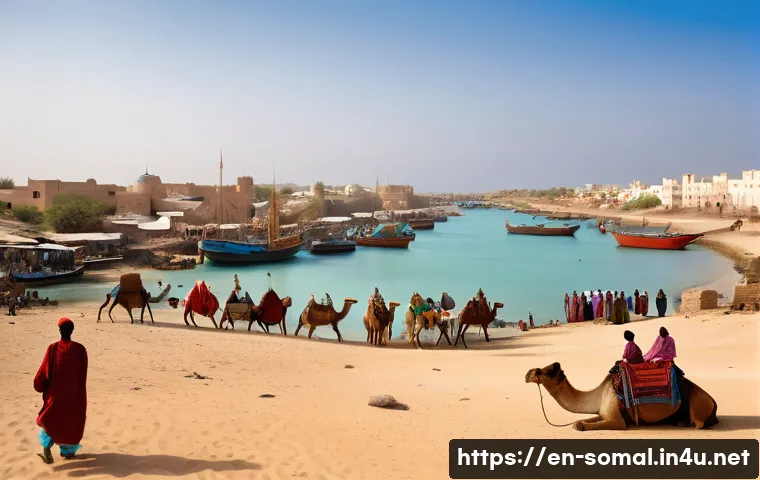
The history of Somaliland is deeply intertwined with the broader narrative of European colonization in Africa. As various European powers vied for control over strategic ports and trade routes, Somaliland became a focal point of imperial ambitions.
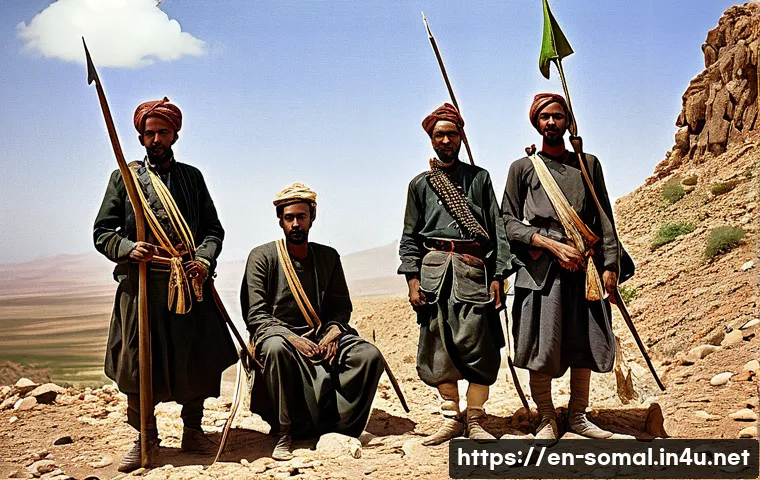
This region’s unique experience reflects both the resilience of its people and the lasting impact of colonial policies on its political and social structures.
Understanding this complex past sheds light on Somaliland’s current quest for recognition and stability. Let’s dive deeper into the fascinating story behind Somaliland and European colonial history to uncover the details that shaped this remarkable land.
I’ll guide you through the key moments and insights you need to know!
Strategic Importance of Somaliland in the Colonial Era
Geographical Advantage and Trade Routes
Somaliland’s location along the Gulf of Aden placed it at the crossroads of major maritime trade routes connecting the Red Sea to the Indian Ocean. This strategic position made it a coveted prize for European powers eager to control access to the Suez Canal and safeguard their colonial interests in East Africa and beyond.
Ports like Berbera and Zeila became bustling hubs, attracting merchants and imperial agents alike. The natural harbors allowed for easier docking of ships, which was crucial for refueling and resupplying during long voyages.
As a result, Somaliland emerged as a vital link in the chain of global commerce during the height of European imperialism.
Competition Among European Powers
Throughout the late 19th and early 20th centuries, Somaliland witnessed intense rivalry among Britain, France, and Italy, each seeking to expand their spheres of influence.
Britain’s establishment of the British Somaliland Protectorate in the north was primarily driven by its desire to secure a foothold along the Red Sea coast.
Meanwhile, Italy’s colonial ambitions focused on the southern regions, resulting in the creation of Italian Somaliland. France held territories further to the east, such as Djibouti, completing a patchwork of colonial holdings in the Horn of Africa.
This competition was not just about territorial control but also about monopolizing trade, resources, and local alliances.
Impact on Local Societies and Governance
The imposition of colonial rule disrupted traditional governance systems and social hierarchies in Somaliland. European powers often employed indirect rule, working through local clan leaders while imposing new administrative frameworks that prioritized colonial interests.
This created tensions as colonial authorities sometimes favored certain clans over others, exacerbating inter-clan rivalries. Moreover, the introduction of new legal codes, taxation systems, and infrastructural projects altered the social fabric.
Despite these challenges, the people of Somaliland exhibited remarkable resilience, adapting to and resisting colonial policies in various ways.
Resistance Movements and Local Leadership
Early Forms of Resistance
From the outset of colonial incursions, Somaliland’s inhabitants resisted foreign domination. Local leaders and clans organized efforts to defend their autonomy and preserve their cultural identity.
These early resistances were often sporadic and localized but laid the groundwork for more coordinated movements later on. The rugged terrain of Somaliland provided natural advantages for guerrilla tactics, allowing resistance fighters to evade colonial military expeditions.
Oral histories and local accounts highlight numerous instances where communities mobilized to protect their lands and way of life.
The Dervish Movement: A Symbol of Defiance
One of the most iconic resistance efforts was the Dervish movement led by Sayyid Mohammed Abdullah Hassan, who is remembered as a national hero. His movement, which lasted from the early 1900s until 1920, united various clans in a sustained campaign against British, Italian, and Ethiopian forces.
The Dervishes employed both military resistance and religious rhetoric to rally support, creating a powerful anti-colonial front. Despite facing superior military technology and resources, their resistance significantly challenged colonial powers, forcing prolonged military engagements and negotiations.
Legacy of Resistance in Modern Somaliland
The legacy of these resistance movements continues to influence Somaliland’s contemporary political culture and identity. The narrative of defiance against colonial oppression fosters a strong sense of nationalism and pride among Somalilanders today.
It also informs their persistent quest for international recognition as a sovereign state. The stories of resistance leaders and their struggles are taught in schools, commemorated in public monuments, and celebrated in cultural expressions, ensuring that this chapter of history remains alive in collective memory.
Colonial Policies and Their Socioeconomic Effects
Economic Exploitation and Infrastructure Development
Colonial administrations focused heavily on extracting economic value from Somaliland’s resources, often prioritizing strategic interests over local welfare.
Agricultural production was encouraged in certain areas, but much of the economy remained tied to pastoralism and trade. Infrastructure development such as ports, roads, and telegraph lines was primarily designed to facilitate colonial administration and commerce rather than to benefit local communities.
While these projects introduced modernization elements, their uneven distribution created disparities and limited broad-based economic growth.
Changes in Social Structures and Education
European colonizers introduced new educational systems, often limited in scope and accessibility, aimed at training a small cadre of local officials and clerks to support colonial governance.
Traditional educational and religious institutions remained dominant in many rural areas, but colonial schools began to influence the urban elite. Social stratification was affected as colonial authorities sometimes elevated certain groups, disrupting pre-existing clan-based hierarchies.
This shift sowed seeds of social tension but also opened opportunities for new leadership emerging from educated classes.
Long-Term Political Consequences
The colonial period left a lasting imprint on Somaliland’s political landscape. The borders drawn by European powers did not always align with ethnic or clan boundaries, leading to future challenges in governance and unity.
The experience of colonial administration introduced new political concepts and structures, some of which Somaliland incorporated into its post-colonial governance models.
However, the legacy of division and favoritism also complicated efforts toward national cohesion. Understanding these colonial policies is essential for grasping the complexities of Somaliland’s current political dynamics.
International Treaties and Somaliland’s Colonial Boundaries
Key Agreements Shaping Somaliland’s Borders
Throughout the colonial era, several treaties between European powers defined Somaliland’s territorial boundaries. These agreements often ignored local realities and were negotiated without meaningful input from indigenous populations.
The Anglo-Italian treaties delineated spheres of influence between British Somaliland and Italian Somaliland, while France secured its hold over Djibouti.
These borders have largely persisted into the modern era, framing the geopolitical landscape of the Horn of Africa. The arbitrary nature of these lines has occasionally fueled disputes, but they remain crucial reference points for regional diplomacy.
Impact on Regional Relations
The colonial-era borders created new dynamics between neighboring territories, influencing trade, migration, and conflict. Somaliland’s boundaries with Ethiopia and Somalia became particularly significant, affecting cross-border clan relations and security.
Colonial powers sometimes used border policies to divide and control local populations, which complicated inter-community relations. Today, these inherited borders shape Somaliland’s interactions with neighboring states and its ongoing efforts to negotiate international recognition and border security.
Table: Overview of Colonial Powers and Territorial Claims in the Horn of Africa
| Colonial Power | Territorial Claim | Key Port/City | Period of Control |
|---|---|---|---|
| Britain | British Somaliland Protectorate | Berbera | 1884 – 1960 |
| Italy | Italian Somaliland | Mogadishu | 1889 – 1960 |
| France | French Somaliland (now Djibouti) | Djibouti City | 1862 – 1977 |
| Ethiopia | Border regions adjacent to Somaliland | Harar (near border) | Varied influence |
Transition to Independence and Its Challenges
End of Colonial Rule and Political Awakening
The mid-20th century brought waves of decolonization across Africa, and Somaliland was no exception. As British Somaliland prepared for independence in 1960, political movements advocating self-governance gained momentum.
The British withdrawal was relatively peaceful compared to other regions, but the transition was complicated by the decision to unite with the former Italian Somaliland, forming the Somali Republic.
This union was driven by pan-Somali nationalism but soon revealed deep political and administrative challenges, particularly in reconciling different colonial legacies.
Post-Independence Struggles and the Quest for Stability
The union between British and Italian Somaliland did not unfold as smoothly as hoped. Differences in colonial administrative styles, clan dynamics, and political visions contributed to tensions.
These issues eventually escalated, culminating in civil conflict and the collapse of central authority in the early 1990s. Somaliland declared its independence in 1991, citing historical, cultural, and political reasons rooted in its distinct colonial experience.
Since then, it has pursued a path toward stability and self-governance, despite lacking widespread international recognition.
Lessons Learned from Colonial Legacy
Reflecting on Somaliland’s colonial history reveals critical insights into the region’s contemporary challenges and achievements. The resilience shown by its people in the face of foreign domination, the complex interplay of colonial borders and local identities, and the enduring impact of colonial policies all contribute to understanding Somaliland’s unique position.
These lessons underscore the importance of historical context in shaping modern political realities and the ongoing pursuit of recognition and development in Somaliland.
Conclusion
Somaliland’s colonial history is a story of strategic significance, fierce resistance, and enduring resilience. Its unique geographic position attracted competing powers, shaping its political and social landscape in profound ways. Despite the challenges imposed by colonial rule, the people of Somaliland have maintained a strong sense of identity and continue to build on their legacy. Understanding this past is essential for appreciating Somaliland’s ongoing quest for stability and international recognition.
Useful Information to Know
1. Somaliland’s location along the Gulf of Aden made it a vital trade hub during the colonial era, connecting Africa to global maritime routes.
2. The competition between Britain, Italy, and France led to the division of Somaliland into protectorates and colonies with distinct administrative systems.
3. Resistance movements, especially the Dervish movement, played a crucial role in challenging colonial domination and fostering national pride.
4. Colonial policies introduced infrastructure and education but often prioritized imperial interests over local development.
5. The borders established during colonial rule continue to influence Somaliland’s political relations and its pursuit of sovereignty today.
Key Takeaways
Somaliland’s colonial experience was shaped by its strategic maritime position and the rivalries of European powers, which disrupted traditional governance and social structures. The persistent resistance by local leaders forged a strong identity that endures in modern times. Colonial policies brought limited modernization but also sowed divisions that complicate current political dynamics. The legacy of arbitrary borders and colonial administration remains a central factor in Somaliland’s ongoing efforts toward stability and international recognition.
Frequently Asked Questions (FAQ) 📖
Q: What role did European colonization play in shaping Somaliland’s political landscape?
A: European colonization had a profound impact on Somaliland’s political structure. When the British established the Somaliland Protectorate in the late 19th century, they imposed new administrative systems that disrupted traditional clan governance.
This introduced centralized authority, but also sowed seeds of division by favoring certain clans over others. The colonial legacy left Somaliland with a complex political fabric that still influences its quest for sovereignty today.
From personal experience studying the region, I found that understanding these colonial policies is crucial to grasping why Somaliland values its relative stability and self-governance so highly.
Q: Why is Somaliland’s history with European powers important for its current push for international recognition?
A: Somaliland’s history with European colonization is central to its claim for recognition because it was once a distinct British Protectorate, separate from Italian Somaliland.
After gaining independence in 1960, it voluntarily united with Somalia but later declared independence in 1991 following the collapse of the Somali state.
This historical distinction is often cited to argue that Somaliland has a legitimate basis for self-rule and should be recognized as an independent state.
Having delved into this topic, I’ve noticed that many international observers overlook these colonial-era boundaries, yet they are key to understanding Somaliland’s unique identity and political aspirations.
Q: How did colonial policies affect the social structures and resilience of Somaliland’s people?
A: Colonial policies deeply influenced Somaliland’s social structures, but they also sparked resilience among its people. The British administration often interfered with clan dynamics by imposing new borders and administrative units, which sometimes intensified local rivalries.
However, this adversity strengthened communal bonds and fostered a strong sense of identity and self-reliance. I’ve spoken with several Somalilanders who emphasize how their history of navigating colonial challenges has built a foundation for the region’s remarkable stability compared to other parts of the Horn of Africa.
This resilience is a testament to their enduring spirit and cultural cohesion.