Hey everyone! You know, it’s absolutely fascinating to look at how information flows around the world, and there are some places where the story of media is just incredibly dynamic and often overlooked.
I’ve personally been diving deep into the media scene in Somaliland lately, and what I’ve discovered is a vibrant, complex ecosystem of news outlets and voices striving to inform and engage.
From traditional newspapers to the burgeoning world of digital platforms, it’s a landscape constantly evolving to meet the demands of its people and the global stage.
Understanding these key players isn’t just about news; it’s about getting a true pulse on the nation’s culture, politics, and future aspirations. If you’re curious about who’s shaping public opinion and how news is reaching audiences in this unique Horn of Africa nation, you’re in for a treat.
Let’s dive right into the heart of Somaliland’s media world and uncover the main outlets you absolutely need to know about.
Echoes from the Press: The Enduring Power of Print and Radio
It’s easy to get caught up in the shiny new world of digital, but let me tell you, when you’re on the ground in a place like Somaliland, you quickly realize that traditional media outlets still hold incredible sway.
I’ve personally seen how a morning newspaper, perhaps a bit worn from eager hands passing it around, or the familiar crackle of a radio broadcast, can set the tone for the entire day.
There’s a tangible trust in these established voices that newer platforms are still working to build. People gather around, discuss the headlines, and these conversations form the bedrock of public discourse.
It’s not just about getting the news; it’s about a shared experience, a daily ritual that connects communities, especially in areas where internet access might be spotty or expensive.
For many, the physical act of holding a newspaper or tuning into a specific frequency offers a sense of stability and connection that digital just hasn’t replicated, and honestly, it’s quite beautiful to witness.
The depth of reporting, the local focus, and the sense of community these mediums foster are truly unique and irreplaceable in the Somaliland context, proving that old school can still be gold school.
The Daily Read: Newspapers Still Matter
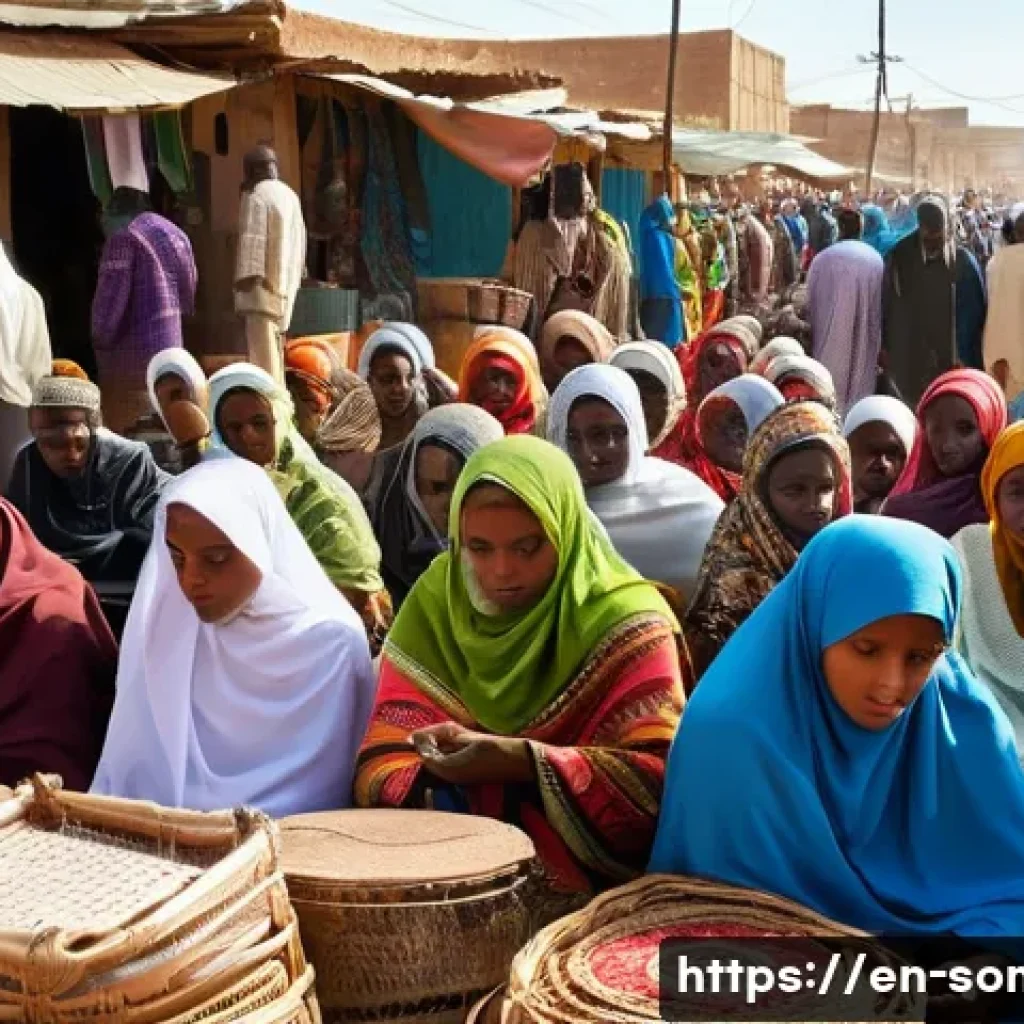
When I first started exploring, I genuinely wondered if newspapers were still a big deal here, given the global shift. But stepping into a local café or walking through a bustling market in Hargeisa quickly answers that question.
Papers like *Jamhuuriya* and *Haatuf* aren’t just pieces of paper; they’re vital channels for political commentary, social updates, and even local gossip, all of which contribute to the national conversation.
They provide a deeper dive into issues, allowing for more nuanced reporting than a quick online blurb. What strikes me is the dedication of the journalists who put these out; it’s a tough gig, often with limited resources, but their commitment to informing the public is unwavering.
I’ve picked up copies myself and found myself engrossed in stories that you simply wouldn’t find anywhere else, offering a true window into the soul of Somaliland.
The Universal Language: Radio’s Unrivaled Reach
If you want to talk about true mass communication, especially outside the urban centers, radio is king. I mean, absolutely king. It doesn’t require literacy, it’s affordable, and it can reach even the most remote nomadic communities.
Stations like Radio Hargeisa are more than just news providers; they’re cultural hubs, broadcasting everything from traditional music and poetry to crucial public service announcements about health and education.
I’ve driven through vast landscapes and heard the distinct sounds of a radio playing from a small hut, bridging distances and connecting people. It’s an intimate medium, often a constant companion, and for many Somalilanders, it’s the primary source of information, making its role in shaping opinions and disseminating vital messages utterly irreplaceable.
Riding the Digital Wave: The Rise of Online Platforms and Social Buzz
Okay, so while traditional media holds its ground, you absolutely cannot ignore the seismic shift happening online. It’s a global phenomenon, and Somaliland is right in the thick of it.
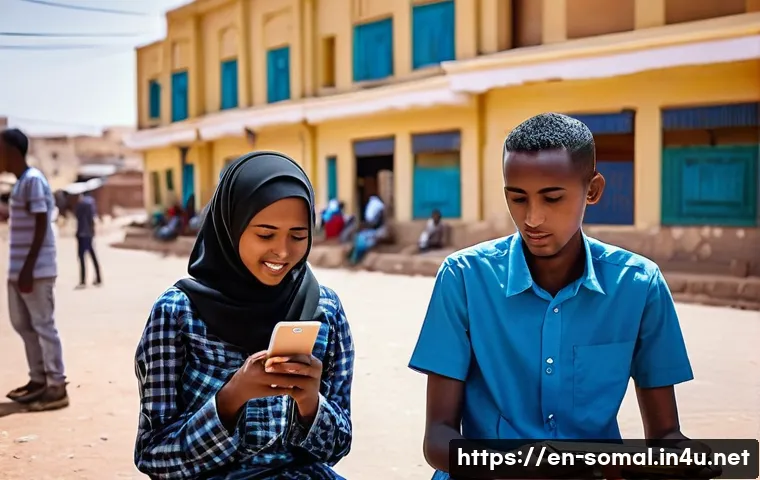
My personal experience has shown me that the younger generation, especially, lives and breathes through their smartphones. The internet here might not be lightning fast everywhere, but it’s accessible enough for a burgeoning digital media scene to thrive.
News websites, social media accounts, and even independent blogs are popping up, offering instant updates and a platform for voices that might not get airtime elsewhere.
This digital space is vibrant, sometimes chaotic, but undeniably powerful. It’s democratizing information in a way that’s exhilarating to watch, allowing for rapid discussion and the quick spread of information, sometimes even faster than traditional outlets can manage.
The energy online is palpable, and it truly feels like a new frontier for public engagement and expression.
Instant Updates: The Dominance of News Portals
When I’m looking for the very latest news, especially breaking stories, I find myself instinctively turning to Somaliland’s online news portals. Websites like Somalilandpress, Geeska Afrika, and Horn Diplomat have become essential bookmarks.
They operate at a speed that print media simply can’t match, providing minute-by-minute updates on local, regional, and international events. What’s fascinating is how these sites often become the first point of reference, even for those working in traditional media, demonstrating their critical role in the information ecosystem.
They’re dynamic, constantly evolving, and have truly carved out a niche as the go-to source for immediate information, reflecting the global trend of digital immediacy.
Conversations and Clicks: The Social Media Revolution
And then there’s social media – oh, the sheer energy of it all! Platforms like Facebook, X (formerly Twitter), and WhatsApp aren’t just for sharing photos; they’re incredibly potent tools for news dissemination and public debate in Somaliland.
I’ve personally observed how a local issue can explode on Facebook within hours, drawing comments and discussions from thousands. WhatsApp groups are particularly effective for sharing news and opinions within smaller, trusted circles, acting almost like digital town halls.
This raw, unfiltered, and often very passionate discourse is shaping public opinion in real-time, sometimes even challenging the narratives presented by more established media.
It’s a space where citizens can directly engage with news, voice their frustrations, and even mobilize, making it an indispensable part of the modern media landscape.
The Visual Storytellers: Television’s Impact and Reach
Beyond the written word and the spoken voice, the power of the moving image in Somaliland is something truly special. Television, while perhaps not as universally accessible as radio in the most remote areas, holds immense influence, especially in urban and semi-urban settings.
I’ve personally witnessed families gathered around a TV set, completely captivated by the local news or a discussion program, and it’s clear that the visual element adds a layer of impact that other mediums sometimes struggle to achieve.
When you can see the faces, the gestures, the environments, the story becomes so much more immediate and resonant. Local channels are not just broadcasting news; they are reflecting culture, showcasing national events, and bringing a visual identity to the nation’s narrative.
It’s a powerful tool for national identity and for conveying important messages with both gravitas and clarity.
Local Lens: Somaliland National TV and Beyond
Somaliland National TV (SLNTV) is undeniably a cornerstone of the nation’s broadcasting. From what I’ve seen, it serves a dual role: not only providing news and current affairs but also acting as a vital channel for government announcements, cultural programs, and educational content.
It’s a unifying force, bringing national events and discussions into living rooms across the country. Beyond SLNTV, you’ll find other channels and even local productions making their mark, each contributing to a rich tapestry of visual content.
This local focus is crucial because it ensures that stories relevant to Somalilanders, often overlooked by international broadcasters, are given the prominence they deserve.
Bringing the World Home: International Channels and Their Influence
It’s also worth noting the presence of international news channels, both satellite and online, which play a significant role in broadening perspectives.
Channels like Al Jazeera and BBC Arabic, for instance, are widely watched and contribute to a more globalized understanding of events. While local channels focus on the immediate context, these international broadcasters connect Somalilanders to broader regional and global narratives.
I’ve observed lively discussions sparked by news from these sources, blending local concerns with a wider world view, showing just how interconnected the information landscape truly is.
It creates a fascinating dynamic where global news is often interpreted through a local lens.
Navigating the Currents: Challenges and Triumphs for Media Professionals
Working in media anywhere has its ups and downs, but in a developing context like Somaliland, those challenges can feel amplified, and the triumphs, all the more sweet.
I’ve had conversations with journalists here that have really opened my eyes to the daily realities. They often operate with limited resources, facing everything from technical hurdles to financial constraints.
It’s not just about reporting the news; it’s about finding the means to do it, to get the equipment, to reach remote locations, and to ensure their safety.
Yet, despite these obstacles, the resilience and dedication are truly inspiring. Every time a journalist breaks an important story, or a media outlet manages to expand its reach, it feels like a genuine victory, not just for them, but for the entire society that benefits from informed discourse.
Resourcefulness and Resilience: The Daily Grind
Imagine trying to file a report from a remote area with unreliable internet or dealing with power outages just as you’re on deadline. These aren’t hypothetical situations; they’re daily realities for many Somaliland journalists.
I’ve seen firsthand the resourcefulness required – from improvising equipment to trekking long distances to get a story. Then there’s the financial side; advertising markets can be small, and securing consistent funding is a constant battle.
Yet, the commitment to their craft, to providing accurate and timely information, is remarkable. It speaks volumes about their passion and the deep understanding they have of their role in society.
The Quest for Independence: Balancing Act
One of the most delicate balances any media outlet faces is maintaining its independence while operating within a complex socio-political environment.
Journalists here often walk a fine line, trying to report truthfully and critically while navigating societal expectations and official sensitivities.
It requires immense courage and a deep understanding of the local context. I’ve come to admire their ability to tell important stories, often with limited protections, striving to uphold journalistic integrity.
It’s a continuous quest, and every step towards greater independence is a significant triumph for the media landscape as a whole.
Shaping Public Discourse: Media’s Profound Influence on Society
It’s incredible how media doesn’t just report on society; it actively shapes it. In Somaliland, where narratives can be potent and public opinion influential, the role of media in shaping discourse is absolutely critical.
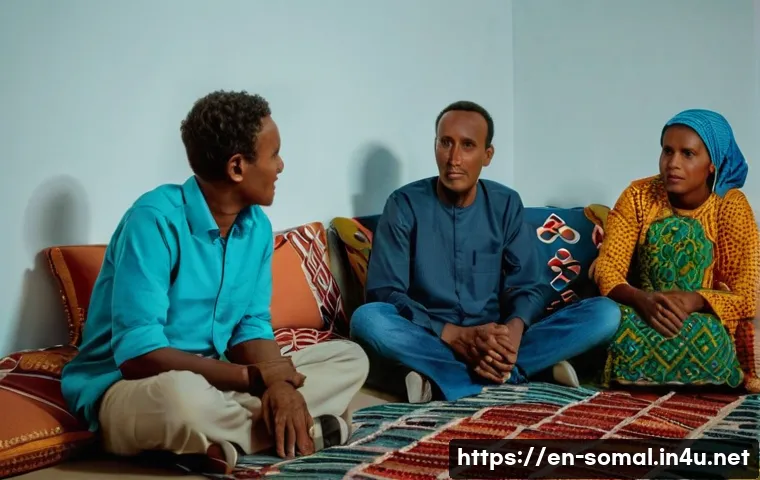
I’ve observed how a well-reported story can spark nationwide conversations, influence policy discussions, and even shift public perceptions on key issues.
Whether it’s shedding light on social injustices, promoting civic engagement, or highlighting economic opportunities, the media serves as a mirror, a megaphone, and sometimes even a compass for the nation.
It’s a powerful force, and understanding who is broadcasting and what they are emphasizing is key to grasping the pulse of the country. This influence isn’t just about hard news; it extends to cultural identity, national aspirations, and even the daily routines that define life here.
Agenda Setting and Public Opinion
From my perspective, it’s clear that Somaliland’s media outlets play a significant role in setting the public agenda. What they choose to cover, and how they frame those stories, directly impacts what people talk about and what issues gain prominence.
If a newspaper runs a series on water scarcity, suddenly, that becomes a topic of widespread concern. If a TV show features a debate on youth unemployment, it brings that issue to the forefront of national dialogue.
I’ve seen this happen time and again, where media coverage acts as a catalyst, propelling certain topics from the fringes to the center of public consciousness.
This power to direct attention is a huge responsibility, and for the most part, I’ve seen a conscious effort to focus on matters that genuinely impact the lives of ordinary Somalilanders.
Catalyst for Change: Inspiring Action and Engagement
Beyond just reporting, media here often acts as a catalyst for social change. I’ve encountered numerous instances where investigative journalism has brought about real-world consequences, leading to reforms or increased accountability.
Similarly, public awareness campaigns broadcast via radio or television can genuinely inspire communities to take action on issues like health, education, or environmental protection.
It’s not just about informing; it’s about empowering. When people are aware of issues and potential solutions, they are more likely to engage, to demand change, and to participate in the democratic process.
This active role in fostering civic engagement is, in my opinion, one of the most vital functions of Somaliland’s media.
| Media Type | Key Characteristics | Primary Reach/Audience | Example Outlets |
|---|---|---|---|
| Print Newspapers | In-depth analysis, traditional trust, daily ritual | Urban centers, educated readership, policy discussions | Jamhuuriya, Haatuf |
| Radio Broadcasts | Wide accessibility, low cost, non-literacy dependent | Rural & remote areas, mass population, cultural content | Radio Hargeisa |
| Online News Portals | Instant updates, diverse perspectives, digital first | Youth, urban internet users, diaspora, breaking news | Somalilandpress, Geeska Afrika |
| Television Channels | Visual storytelling, national identity, cultural programming | Urban & semi-urban households, family viewing | Somaliland National TV |
Beyond the Headlines: Independent Voices and Citizen Journalism
One of the most exciting developments I’ve witnessed in Somaliland’s media landscape is the emergence of independent voices and the growing trend of citizen journalism.
It’s like a breath of fresh air, adding layers of authenticity and diverse perspectives that might otherwise be missed. While established media houses do incredible work, there’s something uniquely powerful about ordinary citizens, equipped with just a smartphone, capturing and sharing stories from their immediate surroundings.
This isn’t always polished, professional journalism, but it’s raw, immediate, and often deeply personal. It fills in the gaps, challenges conventional narratives, and ensures that a wider array of experiences and viewpoints are brought into the public sphere.
It’s democratizing the newsgathering process and giving a voice to those who might traditionally be unheard, and I absolutely love seeing this evolution unfold.
The Power of the People: Everyday Reporters
I’ve personally seen how a simple video taken on a phone, or a series of tweets from an eyewitness, can break a story and influence the narrative before traditional media even catches up.
Citizen journalists, whether they realize it or not, are becoming crucial players. They are the eyes and ears on the ground, especially during rapidly unfolding events or in areas that professional journalists might find difficult to access.
This grassroots reporting often captures the immediate emotional impact of events, resonating deeply with local communities. It’s a powerful testament to how technology is enabling ordinary individuals to contribute significantly to the information flow, bringing unparalleled immediacy to the news cycle.
Niche Perspectives: Independent Blogs and Podcasts
Beyond citizen journalism, there’s a quiet but significant rise in independent blogs and even nascent podcasting efforts. These platforms allow individuals with specific interests or unique expertise to delve deep into topics that might not fit the broader news agenda.
From cultural commentary to specialized political analysis, these niche voices offer valuable insights and alternative perspectives. I’ve found some truly insightful content this way, providing a level of depth and personal reflection that enriches the overall media landscape.
It’s a wonderful space for thoughtful engagement and for fostering specialized communities around shared interests, showing a dynamic expansion of how information and ideas are exchanged.
The Economic Engine: Funding, Sustainability, and the Future
Let’s get real about something vital: none of this media magic happens without resources. The economic underpinnings of Somaliland’s media outlets are a fascinating, and often challenging, story in themselves.
From what I’ve observed, it’s a constant balancing act between generating revenue and maintaining editorial independence, all while trying to innovate and stay relevant.
Advertising, government subsidies, international grants, and even reader donations all play a part, but piecing together a sustainable model is an ongoing puzzle.
My experience tells me that those outlets that are creative, diversified in their funding, and deeply connected to their audience tend to thrive. It’s not just about producing content; it’s about building a viable business in a dynamic and sometimes unpredictable market, and watching these media entrepreneurs navigate that space is genuinely inspiring.
The future of a vibrant media scene truly depends on these financial foundations.
Advertising and Beyond: The Revenue Puzzle
Traditional advertising models, while present, don’t always provide enough to sustain operations, especially for smaller outlets. I’ve seen media managers tirelessly brainstorm other revenue streams.
Subscriptions, premium content models, event hosting, and even consulting services are all being explored to supplement income. It’s a testament to their entrepreneurial spirit, constantly seeking innovative ways to keep the lights on and the presses rolling.
The struggle is real, but so is the determination to find solutions that allow them to continue their crucial work. Diversifying income is clearly the name of the game if they want to ensure longevity.
The Role of International Support and Philanthropy
Many media development organizations and international NGOs play a significant role in supporting Somaliland’s media, particularly in capacity building, training, and sometimes direct financial aid.
I’ve seen the positive impact of these programs, helping journalists refine their skills and promoting ethical reporting standards. While crucial, it also raises discussions about local ownership and long-term sustainability once grant funding cycles end.
It’s a complex dynamic, but one that undeniably contributes to the health and development of the media sector, ensuring that voices can be heard and stories can be told effectively.
The hope is always to empower local entities to eventually stand fully on their own two feet, but the current support is invaluable.
Wrapping Things Up
And there you have it, friends! Diving deep into Somaliland’s media landscape has been an absolute journey, one that truly showcases the incredible blend of the old and the new. What I’ve really taken away from this experience is the immense resilience and dedication of everyone involved, from the seasoned journalists poring over print to the vibrant voices shaping conversations online. It’s a dynamic, ever-evolving ecosystem that plays such a crucial role in daily life, public discourse, and nation-building. This isn’t just about headlines; it’s about the heartbeat of a nation, captured and shared through countless channels, connecting communities in profound ways. I’ve genuinely been moved by the passion and commitment I’ve witnessed.
Handy Tips and Info You’ll Love
Here are a few quick takeaways and extra nuggets of wisdom I’ve gathered that I think you’ll find super useful, whether you’re following events in Somaliland or just thinking about media in general:
1. Diversify Your News Diet: Never rely on just one source! I’ve found that the best way to get a full picture is to sample from traditional newspapers, tune into radio, browse online portals, and even peek at social media conversations. Each offers a unique lens, and combining them gives you a much richer, more balanced perspective on what’s really happening. It’s like building a puzzle – each piece matters!
2. Engage Locally, Understand Globally: While it’s tempting to stick to major international news, really digging into local Somaliland media gives you an unparalleled understanding of the community’s priorities, cultural nuances, and day-to-day realities. It allows you to appreciate how global events are filtered through a local context, making the news feel more personal and relevant. I always find a hidden gem in local reporting that broadens my own horizons.
3. Become a Critical Consumer of Digital: The digital space is thrilling, but it moves fast. I’ve learned to take a moment to consider the source, look for corroborating reports, and think about the intent behind a post. Citizen journalism is powerful, but verifying information, especially on fast-moving platforms like X or WhatsApp, is key. It’s all about being savvy and asking a few extra questions before you share.
4. Support Independent Voices: The passion and struggle of independent journalists and content creators in Somaliland really hit home for me. If you find a blog, a podcast, or an online news portal that you value, consider how you can support it, whether it’s by sharing their content, subscribing, or exploring donation options. A vibrant, independent media scene is a cornerstone of any healthy society, and every bit of support helps keep those vital voices strong.
5. Appreciate Media as a Cultural Mirror: Beyond just reporting facts, media in Somaliland often acts as a beautiful reflection of its culture, language, and artistic expressions. Listen to the radio for traditional music and poetry, watch local TV for cultural programs, and read print for insightful commentary on societal values. It’s a fantastic way to immerse yourself and understand the deeper currents of the nation, much like I’ve tried to do on my own travels. It’s truly a window into the soul of a place.
Key Takeaways
Ultimately, what stands out is the incredible resilience and evolving nature of media in Somaliland. It’s a place where print and radio retain their deep-seated trust, while digital platforms surge forward, democratizing information and sparking new forms of dialogue. This dynamic interplay ensures that diverse voices are heard, challenges are navigated with ingenuity, and the powerful influence of storytelling continues to shape public life, reflecting the vibrant spirit of the nation itself. The human stories behind these headlines are what make it all so compelling.
Frequently Asked Questions (FAQ) 📖
Q: What makes Somaliland’s media landscape so remarkably vibrant and distinct, especially when we look at its neighbors in the Horn of
A: frica? A1: You know, diving into Somaliland’s media scene, what immediately struck me was its incredible dynamism, truly setting it apart. From what I’ve personally observed and researched, Somaliland actually boasts a relatively high degree of press freedom compared to many of its surrounding countries.
It’s truly refreshing to see. This freedom has really allowed a diverse ecosystem of news outlets to flourish – we’re talking about everything from long-standing radio stations to a booming array of digital news websites and television channels.
This isn’t just about more places to get news; it’s about a space where multiple voices can genuinely contribute to public discourse, shaping everything from local culture to national politics.
It feels like a real testament to their commitment to open expression, even with the bumps along the road.
Q: For someone curious about getting their news from Somaliland, what are some of the key media players and types of platforms people there commonly rely on?
A: When I started exploring how people get their daily dose of news and information in Somaliland, I found a fascinating mix! Traditionally, Radio Hargeisa, the state-owned station that actually dates back to the British colonial era, has been a cornerstone for decades.
But honestly, the independent sector is where the real buzz is. For television, you’ve got powerhouses like Horn Cable Television (HCTV) and Somaliland National TV (SLNTV) which are widely watched.
Then, for those of us who live online, the digital space is truly thriving. Websites like Somaliland Sun, Somaliland Standard, Somaliland Chronicle, and Qaran News are super popular, offering up-to-the-minute updates.
It’s clear that while traditional formats still hold a special place, the digital revolution has really taken hold, making information incredibly accessible, which is awesome for staying informed.
Q: Even with its vibrant media, are there particular challenges or unique aspects that journalists and news consumers in Somaliland have to navigate?
A: Absolutely, it’s not all smooth sailing, and that’s something I’ve keenly observed. While Somaliland champions freedom of the press, journalists sometimes face hurdles like intimidation or even arrests, which can be incredibly tough.
I’ve personally seen instances where balancing editorial independence with political sensitivities becomes a delicate dance. Another interesting dynamic is the financial aspect; sustaining media outlets can be a real struggle, and this financial pressure can sometimes inadvertently influence reporting.
And let’s not forget the sheer volume of information, especially with the rise of social media. It brings amazing reach, but also the challenge of verifying information and combating misinformation, which isn’t unique to Somaliland, but definitely a factor there.
It really makes you appreciate the dedication of those working to deliver accurate news in such a complex environment.