Ever craved an adventure so unique it feels like stepping into a whole new world, far beyond the well-trodden tourist paths? If you’re anything like me, you’re constantly searching for those hidden gems that offer profound cultural immersion and breathtaking landscapes, places that truly challenge your preconceptions.
Forget what you think you know about this corner of the Horn of Africa because Somaliland, a self-declared nation bustling with an incredible spirit, is ready to surprise you with its vibrant markets, ancient rock art, and incredibly warm people.
Trust me, the sheer hospitality here is something you’ll never forget, even if official travel advisories might make you pause. Navigating this truly independent, unrecognized gem requires a little insider know-how to make the most of its untouched beauty and ensure a smooth, unforgettable journey, especially when it comes to guided tours.
Let’s accurately find out how to secure your ultimate Somaliland guided tour experience.
Beyond the Brochure: Why a Local Guide is Your Somaliland Superpower
Stepping into Somaliland feels like unlocking a secret level in the grand game of global travel. It’s exhilarating, a little daunting, and utterly captivating. When I first considered this journey, I’ll admit, the sheer unknown was a huge part of the allure. But let me tell you, trying to navigate this incredible land without a local guide would be like trying to solve a Rubik’s Cube blindfolded. My personal experience? Absolutely indispensable. From the moment I landed, having someone with deep roots and understanding of the local customs, the nuances of the language (trust me, Somali is beautiful but not easily picked up overnight!), and the intricate local dynamics made all the difference. They aren’t just escorts; they are storytellers, cultural bridges, and your personal safety net, ensuring every interaction is respectful and enriching. This isn’t a place where you just rent a car and hit the road; the magic, and frankly, the practicality, truly lies with those who call Somaliland home. They know the quiet tea shops where stories are spun, the best spot for an authentic meal that won’t upset your stomach, and how to gracefully handle the occasional curious glance from locals not accustomed to seeing foreign faces. Without my guide, I truly believe I would have missed out on so much of the authentic, heartwarming spirit of this unrecognized gem, and honestly, probably gotten myself into a few sticky situations!
Navigating with a Local Expert: More Than Just Directions
One of the most immediate benefits I discovered was how a local guide effortlessly smoothed over logistical hurdles. Remember, Somaliland isn’t a conventional tourist destination, and things operate a little differently here. Road travel, for instance, often involves checkpoints, and while I never felt unsafe, having my guide handle all the interactions, explaining our itinerary, and simply being a familiar face to the authorities was invaluable. They understand the unspoken rules, the appropriate greetings, and how to ensure everything proceeds without a hitch. This truly minimizes any potential stress, allowing you to immerse yourself fully in the stunning landscapes and vibrant culture rather than worrying about bureaucratic formalities. Plus, they’re typically fluent in both Somali and English, acting as your personal interpreter and helping you connect with locals in a way that simply wouldn’t be possible otherwise. I felt like I was peeking behind the curtain of everyday life, all thanks to their incredible facilitating presence.
The Special Protection Unit (SPU): Your Companion in Exploration
Now, let’s talk about the Special Protection Unit, or SPU. This is often a point of curiosity, maybe even a little apprehension, for prospective travelers. The Somaliland government mandates that foreigners traveling outside of major cities be accompanied by an armed guard, usually from the police force. From my perspective, this wasn’t an intimidating presence at all. My SPU was a genuinely friendly, often quiet, individual who seamlessly blended into our small group. Their role is largely precautionary, a visible assurance of safety in a region that, despite its peaceful reality, carries a complex reputation. My guide explained that it’s more about official protocol and a way for the government to ensure visitors are safe, rather than a response to immediate threats in most tourist areas. It allowed me to relax and fully appreciate the breathtaking ancient rock art of Laas Geel, or the serene, untouched beaches near Berbera, knowing that every official requirement was being met by experienced hands. It’s just part of the unique Somaliland travel experience, and frankly, I felt incredibly well-looked-after.
Weaving Your Own Narrative: Crafting the Perfect Somaliland Itinerary
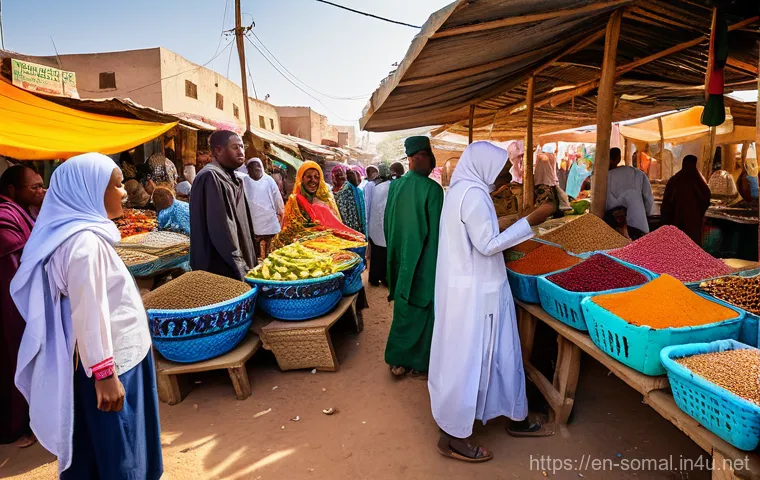
When it comes to planning a trip to Somaliland, ditch the cookie-cutter itineraries you might find for more mainstream destinations. This is where your personal adventure truly begins, and working with an experienced tour operator or local guide is paramount to creating a journey that resonates with your adventurous spirit. My own itinerary was a blend of must-sees and unexpected detours, tailored beautifully to my interests, and it’s this flexibility that makes Somaliland travel so uniquely rewarding. We spent days exploring the bustling Hargeisa markets, where the scent of frankincense mingled with fresh spices, and the rhythmic chant of money changers created a symphony of commerce. Then, we ventured out to the ancient, vivid rock art of Laas Geel, a site that truly blew my mind and left me speechless at the artistry of our ancestors. It’s about more than just ticking off sights; it’s about building a narrative, a personal story of discovery, and that’s something a pre-packaged tour often misses. Whether you dream of tracing nomadic routes, exploring Ottoman-era architecture, or simply soaking in the vibrant street life, a good guide will help you sculpt those dreams into a tangible, unforgettable reality.
Beyond Hargeisa: Gems of the Somaliland Landscape
While Hargeisa, the capital, is an energetic introduction to Somaliland, the true breadth of its beauty unfolds as you venture further. I was particularly drawn to the historic port city of Berbera, with its crumbling colonial architecture and stunning, virtually empty beaches that invite quiet contemplation. The journey there itself was an experience, winding through dramatic desert landscapes. Another highlight for me was the Sheikh Mountains. The cool, crisp air was a welcome contrast to the warmer coastal areas, and the views were simply spectacular. My guide introduced me to local villagers, offering a rare glimpse into their traditional way of life. Don’t overlook the opportunity to visit places like Daallo Forest for a surprising splash of green biodiversity, or the vibrant atmosphere of Borama. Each location offers a distinct flavor of Somaliland, adding rich layers to your travel narrative. A well-designed itinerary ensures you hit these diverse spots, experiencing the country’s varied natural beauty and historical depth.
Tailoring Your Adventure: Personalizing Your Tour
The beauty of Somaliland lies in its undeveloped tourism infrastructure, which, while requiring a bit more planning, allows for incredible customization. You’re not just a number on a bus; you’re an honored guest on a bespoke journey. When planning my trip, I communicated extensively with my chosen operator about my interests – history, photography, and cultural interaction were at the top of my list. They helped me integrate visits to local tea houses, allowed ample time for conversations with friendly locals (always with permission, of course!), and ensured we were at Laas Geel during the best light for photography. This level of personalized attention is something I’ve rarely experienced elsewhere. They even considered things like my preferred pace of travel and dietary restrictions, making the whole trip feel incredibly comfortable and uniquely “mine.” It’s this kind of dedication that elevates a trip from mere sightseeing to a truly profound personal exploration.
Navigating the Entry Maze: Your Somaliland Visa & Logistics Playbook
Getting your visa for Somaliland might seem a little intimidating at first glance, especially since it’s not recognized by many international bodies. But don’t let that deter you! My experience was surprisingly straightforward, though it definitely required a bit of foresight. It’s crucial to understand that you’ll need a *Somaliland* visa, not a Somali one – they are entirely different entities with distinct immigration processes. Many nationalities, including citizens from the EU, UK, USA, and Canada, are eligible for a visa on arrival at ports of entry like Hargeisa airport. However, even for those eligible, it often helps to have an invitation letter from your tour operator or hotel, which they are usually more than happy to provide. I made sure to have all my documents meticulously organized, including passport-sized photos and the exact cash fee in US dollars, which at the time was $60. Having everything prepared significantly sped up the process, and before I knew it, I had a fresh stamp in my passport, ready to explore.
Visa On Arrival: What to Expect
For those eligible, securing a visa on arrival is often the most convenient route. My flight landed in Hargeisa, and the immigration process, while not as streamlined as a major international hub, was efficient enough. I recall having my invitation letter ready, two passport photos, and my crisp US dollar bills. The officials were professional and, despite a slight language barrier, the process went smoothly with the help of my awaiting guide. They actually advise getting the visa for a slightly longer duration than your planned stay, just in case your plans shift slightly. It’s a small detail, but one that reflects the practical, helpful nature of the local system. Remember, this isn’t a country overflowing with ATMs, so having sufficient USD cash for your visa fee, and indeed for much of your trip, is non-negotiable.
Consular Applications: When to Plan Ahead
If you’re not eligible for a visa on arrival, or if you simply prefer to have everything sorted before you depart, applying through one of Somaliland’s diplomatic missions is your best bet. These offices are limited but can be found in cities like Addis Ababa, London, and Washington D.C.. From what I’ve heard from fellow travelers, this process is also quite manageable, often with a quick turnaround time. My advice would be to contact your chosen tour operator well in advance, as they can usually assist with the necessary invitation letters and guide you through the latest requirements. This kind of pre-trip support is invaluable, turning what could be a source of anxiety into a manageable step in your adventure preparation.
Money, Manners, and Mingling: Mastering Local Etiquette & Transactions
Navigating the financial and social landscape in Somaliland might feel a bit different from your usual travels, but it’s all part of the unique immersion. The local currency is the Somaliland Shilling, which isn’t internationally recognized. This means there are no ATMs to speak of, and credit cards are rarely accepted. My golden rule, and one I cannot stress enough, is to carry plenty of US dollars in cash. Seriously, bring more than you think you’ll need! Dollars are widely accepted, and your guide will be your best friend when it comes to exchanging money. They know the reliable money exchange offices that offer good rates, often bustling street-side operations where stacks of shillings are literally piled high – quite a sight to behold! My guide always helped me gauge how much local currency I needed for daily expenses, like buying a delicious cup of chai or some street food. It’s all about embracing the cash economy and trusting the local expertise to guide you through it smoothly.
Cash is King: Managing Your Funds
Forget your plastic; in Somaliland, cash truly reigns supreme. I kept a good stash of US dollars in smaller denominations – twenties, tens, and fives are always handy – for ease of transactions. When you exchange, you’ll be handed enormous stacks of Somaliland Shillings, mostly 1000-shilling notes. It’s a fun novelty at first, but carrying a backpack just for your money isn’t too far from the truth! My daily spending, covering meals, drinks, and small purchases, usually hovered around €15-€25 (or $20-$30 USD). This doesn’t include tour costs, but it gives you a good baseline. Tipping local guides and drivers is genuinely appreciated, as it significantly boosts their income in a region where wages can be modest. I always factored in a bit extra for this, as their dedication to making my trip special was undeniable.
Embracing Local Customs: Beyond the Transaction
Beyond money, understanding and respecting local customs will exponentially enhance your experience. Somaliland is a proudly Muslim nation, and modesty in dress is highly valued. For women, this means wearing loose-fitting clothing that covers shoulders, chest, and knees, and carrying a headscarf is essential for visiting religious sites or simply out of respect. Men should also opt for long trousers and avoid shorts. When greeting, a handshake is customary between individuals of the same sex, but it’s best to avoid shaking hands with the opposite sex unless they initiate it. Photography is generally fine, but *always* ask permission before taking pictures of people, especially women or those praying. And here’s a crucial one: Somalilanders are incredibly proud of their self-declared nation. Never, *ever* refer to Somaliland as part of Somalia; it’s considered deeply disrespectful. Showing respect for their fierce independence and unique identity will open doors and hearts, allowing for truly meaningful cultural exchanges that will be among your most cherished memories.
| Aspect of Travel | Key Information & Tip | Estimated Cost / Detail |
|---|---|---|
| Currency & Payments | Somaliland Shilling (local), USD (widely accepted). No ATMs, carry cash. | Daily expenses: $20-$30 USD. Exchange with guide for best rates. |
| Visa on Arrival | Available for many nationalities (EU, USA, UK, Canada). Requires valid passport, photos, invitation letter. | $60 USD cash. Get visa for slightly longer than planned stay. |
| Accommodation | Good quality in Hargeisa (e.g., Mansoor Hotel, Damal Hotel). Fewer options outside cities. | Hargeisa hotels: $20-$50+ USD per night. Berbera hotels can be basic but clean. |
| Transportation | Private transport with guide/driver and SPU recommended for inter-city travel. | Hargeisa taxi: $5-$10 USD. Inter-city private car: $120-$150 USD (approx). |
| Dress Code | Conservative. Women: loose, long clothing, headscarf. Men: long trousers. | Always show respect, especially at religious sites. |
| Safety | Relatively peaceful, but SPU required for travel outside major cities. | Stick to regularly visited sites. Exercise caution and follow local advice. |
The Heart of Somaliland: Unearthing Hidden Gems and Local Flavors
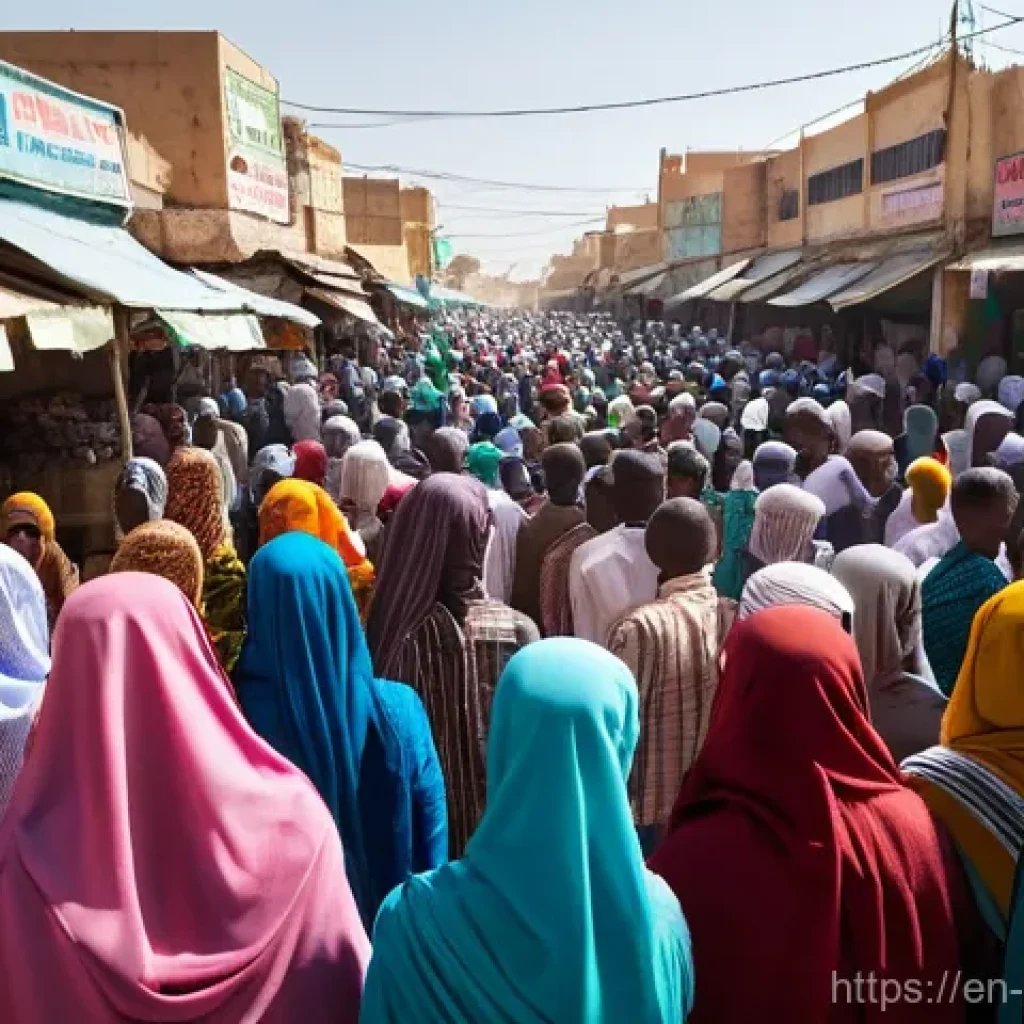
Ah, the sights and sounds! Somaliland truly offers a banquet for the senses, full of hidden gems that will make your adventurous heart sing. From the moment I stepped into Hargeisa, the capital, my senses were overwhelmed in the most delightful way. The vibrant colors of the central market, the lively chatter of traders, and the incredible, almost theatrical, street money changers handling literal mountains of shillings were an unforgettable spectacle. But beyond the capital’s bustle, lies a treasure trove of history and natural beauty that few travelers ever get to witness. I recall vividly standing before the ancient rock art of Laas Geel, feeling a profound connection to humanity’s distant past. The vividness of the paintings, dating back thousands of years, in their open-air caves, just left my jaw on the floor. It’s hard to imagine something so ancient being so incredibly preserved, a testament to the dry climate and respectful stewardship of the local communities. This isn’t just sightseeing; it’s time travel, a truly humbling and inspiring experience that defines the essence of Somaliland’s untouched allure.
Laas Geel: A Window to Ancient Worlds
Laas Geel is, without a doubt, the crown jewel of Somaliland’s archaeological wonders. These incredible cave paintings, thought to be between 5,000 and 11,000 years old, depict cattle, giraffes, and human figures in stunning detail and vibrant colors that have remarkably stood the test of time. My guide, with his deep knowledge of local history and folklore, brought the paintings to life, explaining the possible meanings and the daily lives of the people who created them. I remember him pointing out subtle details I would have completely missed, making the experience so much richer. The sheer scale and preservation are breathtaking, and to think that this site was only “rediscovered” in 2002 by a French archaeological team adds another layer of mystique. Visiting Laas Geel felt less like a tourist stop and more like a pilgrimage to an ancient sanctuary, undisturbed and profound. It truly is one of Africa’s greatest prehistoric art sites, and honestly, a highlight of all my travels.
Berbera’s Charm and Sheikh’s Serenity
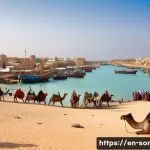
Beyond the ancient art, Somaliland offers diverse landscapes that truly surprised me. Berbera, the historic port city on the Gulf of Aden, captivated me with its blend of Ottoman and British colonial architecture, much of it beautifully weathered by time. Strolling through the old quarter felt like walking through a living museum. And oh, those beaches! Miles of pristine, deserted coastline where the warm waters invite you for a dip, and the only footprints are your own. The contrast to the bustling capital couldn’t be starker. Then there’s the escape to the Sheikh Mountains, a refreshing change of scenery and climate. The drive through the Golis Range is dramatic, ascending to cooler altitudes with breathtaking vistas. I reveled in the cooler temperatures and the lush, unexpected pockets of greenery, a stark contrast to the arid plains. These varied experiences highlight Somaliland’s surprising diversity, making every turn of the journey a new discovery.
Packing Smart, Traveling Safe: Essential Gear for Your Unforgettable Journey
Okay, let’s get down to the nitty-gritty: what to pack and how to stay safe. As an experienced traveler, I’ve learned that preparation is key, especially for destinations as unique as Somaliland. My motto is always “be prepared, not paranoid.” The climate here is generally hot and dry, especially from June to August when temperatures can soar past 40 degrees Celsius. The best time to visit is typically during the cooler, drier months between October and November, or December to February. Knowing this helps immensely with your packing choices. I packed light, breathable fabrics – think linen and cotton – that covered my arms and legs out of respect for local customs and for sun protection. A wide-brimmed hat, good quality sunglasses, and plenty of high-SPF sunscreen were absolute essentials. But it’s not just about comfort; it’s about being culturally sensitive and practically equipped for the adventure ahead.
Health and Hydration: Staying Well on the Road
Your health is paramount, and a little planning goes a long way. I always travel with a small but comprehensive medical kit, including rehydration salts, anti-diarrhea medication, pain relievers, and any personal prescriptions. Healthcare facilities are limited, especially outside Hargeisa, so being self-sufficient for minor ailments is wise. Hydration is also a constant consideration in the hot climate. Tap water is definitely a no-go for drinking, so always stick to bottled water. My guide made sure we always had plenty of supplies, but I also carried a reusable water bottle to reduce plastic waste and refill whenever possible. And while the risk of malaria is low, it’s present, so consult your doctor about preventative measures. I also ensured my universal travel adapter was tucked away, as power outages can happen, and you’ll want to charge your devices whenever electricity is available. Small details, but they make a world of difference to your comfort and peace of mind.
Dressing for Respect and Comfort: The Modesty Mandate
Respectful attire isn’t just a suggestion in Somaliland; it’s a fundamental aspect of blending in and showing reverence for the local culture. For women, this means long skirts or trousers and tops that cover your shoulders and chest. A lightweight headscarf is an absolute must, not just for visiting mosques (where it’s essential) but also for general modesty in public spaces. I found that wearing one helped me feel more comfortable and genuinely welcomed by the local women. For men, long trousers are expected, and a t-shirt is generally fine, but avoiding shorts is best. This modest approach isn’t a burden; it’s an opportunity to engage with a deeply traditional society on its own terms, fostering connections and respect. I remember one woman smiling warmly at me and giving a thumbs-up when she saw I was wearing a headscarf in the market – a small gesture that spoke volumes and made me feel truly at ease and accepted into their daily life.
Wrapping Up Your Somaliland Adventure
And there you have it, fellow adventurers! My journey through Somaliland was, without a doubt, one of the most enriching and eye-opening experiences I’ve ever had. It’s a place that truly challenges your perceptions, rewards your curiosity, and leaves an indelible mark on your soul. From the ancient whispers of Laas Geel to the vibrant pulse of Hargeisa, every moment was a discovery. This isn’t a destination for the faint of heart, perhaps, but for those seeking genuine, unfiltered travel, a place where hospitality knows no bounds, Somaliland awaits. Trust me, stepping out of your comfort zone and into this incredible corner of the world is a decision you won’t regret.
Handy Tips for a Smooth Somaliland Trip
Ready to embark on your own Somaliland adventure? Fantastic! Based on my own experiences, I’ve compiled some crucial pointers to help you navigate this incredible land with ease and confidence. Remember, preparation is key here, and a little forethought will go a long way in ensuring your trip is as seamless and memorable as mine was. These aren’t just dry facts; they’re the insights I wish I’d had in a neatly summarized package before I set off, drawn from the invaluable lessons learned on the ground and through countless conversations with locals and fellow travelers. From managing your money to mastering local customs, these tips will genuinely empower you to embrace everything Somaliland has to offer, turning potential hurdles into smooth sailing and deeper cultural understanding.
1. Mastering the Visa Process: Your Gateway to Somaliland. Don’t let the “unrecognized nation” status daunt you – getting your Somaliland visa is surprisingly straightforward for many, but it absolutely requires specific attention. My advice? Confirm your eligibility for a Visa On Arrival (VOA) well in advance, especially if you’re coming from countries like the US, UK, EU, or Canada. Even with VOA, arriving with an invitation letter from your reputable tour operator or hotel is a game-changer; it smooths out the process immensely and shows you’ve done your homework. Crucially, pack two recent passport-sized photos and the exact visa fee in crisp US dollars – no haggling, no card payments, just good old cash, usually $60. I found that having everything meticulously prepared not only sped things up but also conveyed a sense of respect and seriousness to the immigration officials, setting a positive tone for my entire trip. It’s a small detail, but one that significantly reduces pre-travel jitters and ensures a warm welcome upon arrival.
2. Cash is King, and USD is Its Crown. Forget about pulling out your credit card or searching for an ATM; in Somaliland, cash reigns supreme, and the US dollar is your best friend. My personal experience taught me to carry significantly more USD cash than I initially anticipated, in a variety of denominations. While the local currency, the Somaliland Shilling, is used for smaller purchases, you’ll be using USD for everything from tour costs and hotel bills to larger purchases and even tips. Your local guide will be instrumental in helping you exchange USD for shillings at the bustling street-side money markets – an experience in itself! Don’t be surprised by the enormous stacks of local currency you’ll receive; it’s a unique sight and part of the charm. Always factor in a budget for daily spending, which for me was around $20-30 USD, excluding major tour expenses. Tipping your guide and driver generously in USD is also deeply appreciated, as it directly impacts their livelihoods and acknowledges their exceptional service.
3. Cultural Sensitivity: Dressing the Part and Speaking with Respect. Somaliland is a proudly conservative Muslim nation, and demonstrating respect for local customs will not only make your trip more enjoyable but also open doors to genuine interactions. For women, this means adopting modest dress: loose-fitting clothing that covers your shoulders, chest, and knees. A lightweight headscarf is an absolute essential for visiting mosques and for general public areas – I found it helped me feel more comfortable and welcomed. Men should also opt for long trousers and avoid shorts. When it comes to interactions, always ask permission before taking photos of people, especially women or those engaged in prayer. And here’s a crucial point I learned firsthand: never, under any circumstances, refer to Somaliland as part of Somalia. The Somalilanders are fiercely proud of their independence, and acknowledging their distinct identity is paramount to earning their respect and trust. A simple “Somaliland” versus “Somalia” can make all the difference in your cultural exchanges.
4. Health & Safety: Preparedness, Not Paranoia. While Somaliland is generally very peaceful, taking sensible health and safety precautions is just smart travel. I always travel with a comprehensive personal medical kit, including essentials like rehydration salts, band-aids, antiseptic wipes, and any personal medications. Healthcare facilities outside Hargeisa are limited, so being prepared for minor ailments is key. Hydration is another major factor; the climate is hot, so strictly stick to bottled water for drinking. While the risk of malaria is low in many areas, it’s wise to consult your doctor about preventative measures. Regarding safety, the requirement for a Special Protection Unit (SPU) when traveling outside major cities might sound intimidating, but it’s largely a precautionary measure by the government. My SPU was a friendly, unobtrusive presence who simply ensured official protocols were met, allowing me to fully relax and enjoy the incredible sights like Laas Geel without worry. Trust your tour operator and guide; they are your best resource for staying safe and informed.
5. Timing Your Trip: Embrace the Cooler Seasons. Your choice of travel dates can significantly impact your comfort and overall experience in Somaliland. While the country is open year-round, the climate from June to August can be intensely hot, with temperatures often soaring above 40 degrees Celsius, which can be quite taxing for sightseeing. My strong recommendation, based on my own more comfortable experience, is to plan your visit during the cooler, drier months. This typically falls between October and November, or from December to February. During these periods, the temperatures are far more manageable, making exploration much more enjoyable. This also influences your packing: think light, breathable cottons and linens, a wide-brimmed hat, high-SPF sunscreen, and good quality sunglasses are non-negotiable regardless of the season. Planning for the optimal weather window truly enhances your ability to appreciate the landscapes, engage with locals, and immerse yourself in all the wonders Somaliland has to offer without battling extreme heat.
Somaliland: Important Points to Remember
As we draw this journey to a close, let’s distill the essence of what makes Somaliland such a profoundly rewarding destination. What truly struck me, and what I hope you take away, is that this is a land of genuine warmth, incredible history, and unparalleled authenticity, waiting to be discovered by the adventurous and respectful traveler. My personal experience reinforces that while Somaliland demands a bit more intentional planning than mainstream destinations, the rewards far outweigh any perceived challenges. The invaluable role of a local guide cannot be overstated; they are not just facilitators but cultural ambassadors who unlock the true spirit of the nation, ensuring both your safety and a deeply enriching experience. From navigating the cash-based economy to understanding the nuances of local etiquette, embracing these aspects is key to a smooth and respectful journey. This isn’t just a trip; it’s an immersive cultural exchange, a chance to witness resilient independence, and an opportunity to create memories that will undoubtedly redefine your understanding of travel and human connection. Go, explore, and let Somaliland surprise you!
Frequently Asked Questions (FAQ) 📖
Q: Is Somaliland truly safe for travelers, especially when booking a guided tour, or should I be worried about those official travel advisories?
A: Oh, I totally get why you’d ask that! It’s the first thing on everyone’s mind, and frankly, it was on mine too before I experienced it firsthand. You see those government advisories, and they paint a picture that can make anyone hesitant.
But here’s the real talk from someone who’s been there: Somaliland is surprisingly, genuinely safe for tourists, especially when you’re with a reputable guided tour.
I remember my first time landing in Hargeisa, feeling a mix of excitement and a tiny bit of apprehension. That faded almost instantly. The people are incredibly welcoming and protective of visitors.
They truly value the tourists who come to explore their country. Local tour operators are keenly aware of the need to keep their clients safe, not just because it’s good business, but because it’s part of their culture of hospitality.
They know the safe routes, the secure accommodations, and they have excellent local networks. Think of it less as a dangerous place and more as an unconventional one that requires respectful, informed travel.
You’re not just a tourist; you’re often treated as a guest, and that makes a world of difference. Trust me, the biggest “danger” you’ll likely face is falling too hard for the vibrant culture and the incredible warmth of its people!
Q: How do I choose the best, most reliable guided tour operator for Somaliland to ensure an authentic and hassle-free experience, and what red flags should I look out for?
A: This is a crucial question, and it’s where a bit of insider knowledge really pays off! I’ve learned that not all tour operators are created equal, especially in a destination like Somaliland.
My advice? Look for operators who specialize specifically in Somaliland, not just general Horn of Africa tours. The best ones have deep-rooted local connections, meaning they’re not just flying in a guide; they are the locals, or they work directly with them.
This is vital for everything from navigating checkpoints smoothly to getting genuine insights into daily life, which really elevates the experience beyond just sightseeing.
Check their online presence – look for detailed itineraries, clear pricing, and actual photos from their tours, not just stock images. Reviews on platforms like TripAdvisor or travel forums are gold; read between the lines for mentions of flexibility, guide knowledge, and responsiveness.
A huge red flag for me would be an operator who seems vague about permits or visa assistance, or who promises things that sound too good to be true. Also, if they’re pushing you towards a “too cheap” deal, be wary; quality guides, safe transport, and good accommodation cost money, and cutting corners could compromise your experience or even your safety.
A reliable operator will be transparent about costs, what’s included, and what you’ll need to handle yourself (like tips or personal expenses). Don’t be shy about asking direct questions about their experience, their guides’ local knowledge, and their contingency plans.
A good operator will welcome your questions and put your mind at ease.
Q: What should I expect from a guided tour in Somaliland in terms of itinerary, cultural immersion, and overall experience, and what’s the general cost?
A: Alright, let’s talk about the nitty-gritty of what a Somaliland tour actually feels like! From my experience, a good guided tour typically balances historical sites, natural beauty, and incredible cultural interactions.
You can expect to explore the bustling markets of Hargeisa, which are an assault on the senses in the best way possible – think vibrant fabrics, the aroma of spices, and the constant hum of life.
You’ll likely visit the ancient rock art of Laas Geel, which is just mind-blowingly well-preserved and makes you feel like you’ve stepped back in time.
Coastal towns like Berbera offer a different vibe, with their historic Ottoman architecture and the Red Sea breeze. Cultural immersion is built into almost every aspect; your local guide will be your bridge to understanding customs, language, and the incredible resilience of the Somaliland people.
You’ll often find yourself sharing chai with locals, hearing personal stories, and getting insights you simply wouldn’t as a solo traveler. In terms of cost, it really varies depending on the length of the tour, the number of people in your group, and the level of accommodation.
For a typical 3-5 day private tour, you might be looking at anywhere from $800 to $1,500+ per person, excluding international flights. This usually covers your permits, a private vehicle with a driver, a local guide, accommodation (often in mid-range hotels), and some meals.
Remember, you’re paying for unparalleled access, expertise, and safety in a truly unique destination, and from what I’ve seen, it’s an investment in an unforgettable adventure.
The memories and the stories you bring back? Absolutely priceless!