Hey there, amazing readers! I’ve been getting so many questions lately about venturing into unique places, and honestly, Somaliland keeps popping up on my radar as a destination with an incredible heart and pressing needs.
It’s a place bursting with resilience and an entrepreneurial spirit, yet it faces real challenges from climate change and youth unemployment, alongside its complex international standing.
If you’re anything like me, you’re probably wondering how you can actually make a difference, beyond just observing. My journey into understanding this vibrant region has shown me that contributing here isn’t always about typical short-term trips; it’s about strategic, heartfelt engagement.
I truly believe that with the right approach and genuine commitment, we can help foster sustainable change. So, if you’re feeling that tug to contribute your skills and passion to a community that’s truly building its own future, you’re in the right place.
Let’s dive in and precisely explore the impactful ways you can volunteer and lend a hand.
Oh, hey everyone! It’s me, your favorite English blog influencer, and I’m so excited to finally delve into this topic that’s been on so many of your minds.
You know, I’ve always believed that travel isn’t just about seeing new places; it’s about connecting, understanding, and sometimes, even rolling up your sleeves to make a real difference.
And if there’s one place that truly embodies that spirit, it’s Somaliland. My own exploration into this resilient nation has been incredibly eye-opening, revealing a land rich in culture and heart, yet grappling with some significant challenges.
It’s not always about grand gestures; sometimes, it’s about finding that perfect spot where your unique skills and passion can genuinely help a community build its own future.
Let’s talk about how we can really make an impact!
Lending Your Professional Prowess to Local Initiatives
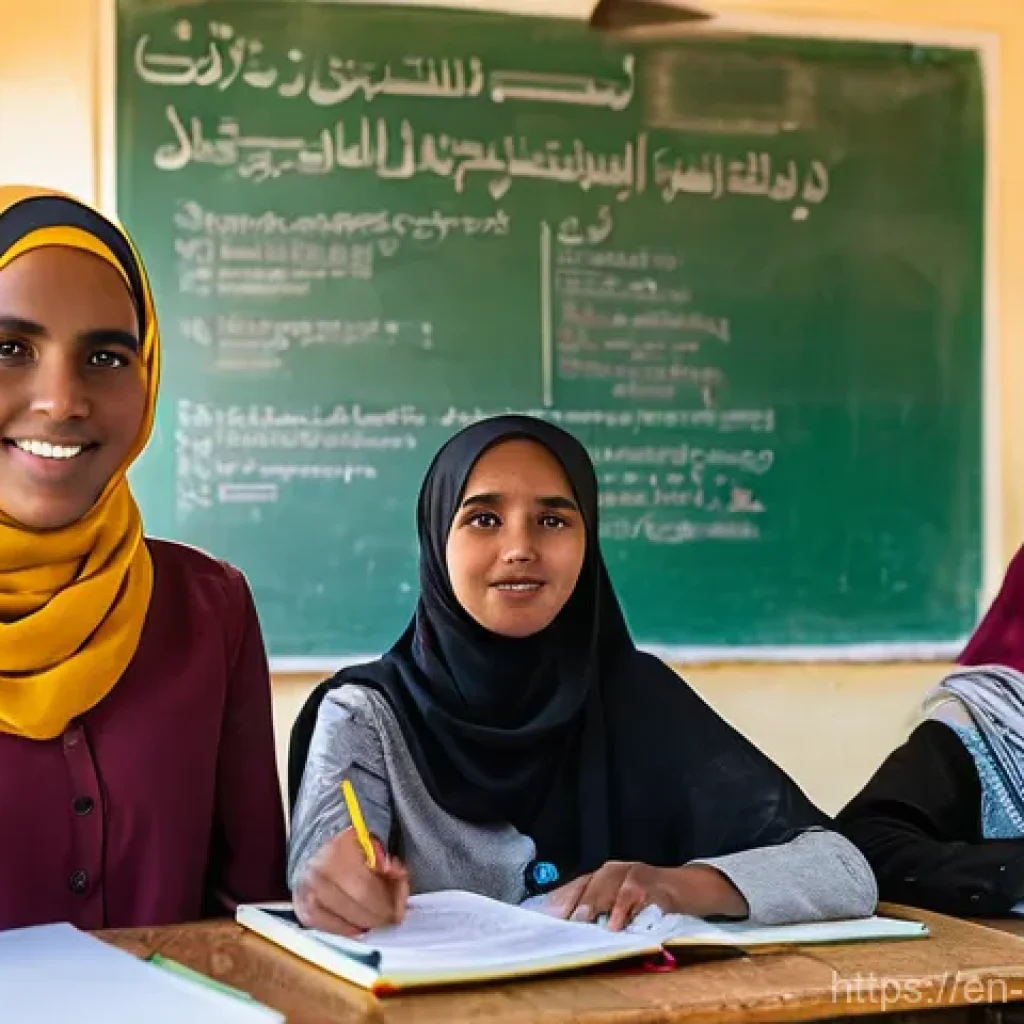
When I first thought about contributing to a developing region, I admit my mind jumped straight to things like building houses or teaching English, which are absolutely vital. But what I quickly realized is that Somaliland, with its burgeoning self-governance and entrepreneurial drive, has a profound need for professional expertise across so many sectors. Think about it: they’re building a nation from the ground up, and that requires skilled hands and sharp minds. For example, I’ve seen firsthand how much value is placed on individuals who can share their knowledge in areas like healthcare system strengthening, which faces challenges including under-investment and a lack of technical capacity for research and data analysis. Imagine being able to help local health professionals implement more effective data collection methods or even assist in developing policy briefs based on evidence-based research. It’s not just about treating symptoms; it’s about building a robust system that can serve generations. Similarly, in education, there’s a significant demand for trained educators and for enhancing English language proficiency among teachers and students alike. If you’ve got a background in curriculum development, teacher training, or even business management, your skills aren’t just useful – they’re transformative. This isn’t a vacation; it’s an opportunity to become an integral part of their growth story, seeing the tangible results of your work on the ground.
Leveraging Professional Backgrounds
- For those of us with a background in medicine, public health, or even nursing, the healthcare sector in Somaliland is truly calling. They face a double burden of communicable and non-communicable diseases, coupled with a critical shortage of trained medical professionals and limited resources. Imagine helping to conduct health research, improve data management, or provide training that enhances clinical skills. It’s about empowering local staff to better serve their communities, and believe me, that direct impact is incredibly rewarding.
- If you’re an educator, particularly with expertise in English language instruction or curriculum design, you can make a huge difference. Somaliland’s education system faces challenges like limited access, especially in rural areas, and a real need for qualified teachers. Helping to train local teachers or develop engaging learning materials can bridge crucial gaps and open up global opportunities for students.
The Power of Knowledge Transfer
What I’ve really learned is that lasting change comes from empowering local communities with the tools and knowledge to drive their *own* development. It’s not about imposing solutions, but about collaborative knowledge transfer. Think of it as planting seeds of expertise that will grow and flourish long after you’ve returned home. This could involve mentoring local entrepreneurs in business planning or marketing, assisting government ministries in developing policy frameworks for sustainable land management, or even helping civil society organizations with project management. Your role becomes less about ‘doing’ and more about ‘teaching to fish,’ creating a ripple effect of self-sufficiency. It’s an incredibly humbling and powerful experience to witness that kind of growth, knowing you played a part in it.
Navigating the Path: Understanding Local Culture and Needs
Before you even think about packing your bags, or even offering remote support, truly understanding the local context is paramount. This isn’t just polite; it’s essential for effective, respectful, and sustainable engagement. When I first considered getting involved, I spent a lot of time just listening and learning about Somaliland’s unique history, its strong clan structures, and its distinct culture. It’s an autonomous region with its own government and democratic elections, even if international recognition remains a complex issue. This self-reliance fosters an incredible sense of agency, and approaching any contribution with humility and a genuine desire to learn from locals is key. My friends who’ve spent time there always emphasize how embracing local customs – from how you dress to how you interact in social settings – isn’t just about being culturally sensitive; it actually opens doors and builds trust, which is the bedrock of any successful collaborative effort. Without that foundation, even the best intentions can falter. It’s a deep dive into humanity, and it teaches you so much about resilience and community.
Embracing Local Customs and Traditions
- Taking the time to learn some basic Somali phrases, understanding local greetings, and being mindful of dress codes are small but powerful ways to show respect. This genuine effort to connect on a cultural level helps break down barriers and fosters an environment of mutual understanding.
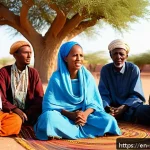
- Engaging with local community leaders and elders is also incredibly important. They hold invaluable insights into community needs, traditional conflict resolution, and pathways for sustainable development. Their wisdom and guidance are indispensable for any project to truly resonate and succeed.
Collaborative Project Development
I’ve seen so many projects, both big and small, thrive when they are developed *with* the community, not just *for* them. This means moving beyond a top-down approach and actively seeking input, valuing local knowledge, and ensuring that initiatives align with actual needs and priorities. For instance, in areas like sustainable land management, where climate variability poses a significant threat to livelihoods through droughts and floods, working hand-in-hand with pastoralist and agropastoral communities is crucial. They have generations of knowledge about their environment, and blending that with modern techniques creates solutions that are not only effective but also culturally appropriate and sustainable. It’s about building trust, sharing ownership, and celebrating successes together, which frankly, makes the hard work all the more meaningful.
Cultivating Growth: Empowering Local Economies
One of the most inspiring aspects of Somaliland is its vibrant entrepreneurial spirit, despite the economic challenges. I’m a huge believer that true empowerment comes from creating pathways to economic independence, and this is an area where international support, particularly through skill-sharing and mentorship, can really shine. The economy largely relies on primary production and agriculture, with livestock being the main export, but there’s so much untapped potential across various sectors. Helping small and medium enterprises (MSMEs) – which form the backbone of Somaliland’s economy, contributing to over 90% of its GDP – to develop robust business plans, access microfinance, or even expand their market reach, can have a profound impact. This isn’t just about charity; it’s about investment in human potential and fostering a self-sustaining economy. When you see a local business flourish because of a tip you shared or a connection you made, that feeling is genuinely unmatched. It creates jobs, builds local wealth, and strengthens the fabric of the community.
Supporting Entrepreneurship and Small Businesses
- If you’ve got a knack for business, marketing, or finance, consider offering your expertise to local entrepreneurs. Many MSMEs are informal, and while they drive the economy, they often lack formal business development services or access to capital. Your guidance could help them formalize, scale, and create more employment opportunities for young people, addressing the alarmingly high youth unemployment rates.
- Remote mentorship programs are also incredibly effective here. You don’t always need to be on the ground to share your knowledge. Setting up virtual workshops on topics like digital marketing, inventory management, or customer service can provide invaluable skills.
Investing in Youth and Education
The youth in Somaliland are not just the future; they are the vibrant present, bursting with potential. Yet, they face significant hurdles, including very high unemployment rates. I’ve always felt that investing in their education and skills development is one of the most powerful ways to contribute. This isn’t just about formal schooling, which already faces challenges with access and quality, particularly in rural areas. It’s also about vocational training, digital literacy, and fostering entrepreneurial mindsets. Programs that teach practical skills like coding, basic computer literacy, or even agricultural techniques tailored to climate change impacts, can provide young people with tangible pathways to employment and self-sufficiency. I remember speaking with a young woman who, after a basic digital literacy course, started her own small online shop. Her story really brought home how these investments empower individuals to create their own opportunities, changing not just their lives, but their families’ and communities’ too.
Bridging the Digital Divide: Tech and Education
In our increasingly connected world, digital literacy isn’t just a bonus; it’s a fundamental necessity for economic growth, access to information, and even civic engagement. Somaliland, while often overlooked, is keenly aware of this, and there’s a real drive to bridge the digital divide. I’ve personally seen how a lack of digital skills can hinder everything from accessing remote job opportunities to participating in online education programs. That’s why any contribution aimed at enhancing digital literacy and expanding access to technology is incredibly impactful. Whether it’s setting up community computer centers, conducting basic digital skills workshops, or even developing engaging online learning content, you’re essentially handing people the keys to a world of opportunity. Imagine a farmer learning how to use an app to get real-time weather updates or a small business owner learning to market their products online. These aren’t just technical skills; they’re life-changing tools that empower individuals to navigate and thrive in the modern world. It’s a game-changer, truly.
Digital Literacy and Training Programs
- Consider designing and delivering basic computer literacy courses, focusing on essential skills like email, internet browsing, and using productivity software. Many organizations are working to provide digital skills and literacy programs for Somali youth and communities, prioritizing women, girls, and rural populations.
- Workshops on social media for business or online safety can also be incredibly valuable, equipping individuals with the tools to leverage digital platforms for economic gain and personal security.
Expanding Access to Information
Information is power, and in a region like Somaliland, expanding access to it can create incredible ripple effects. This isn’t just about the internet; it’s about making sure vital information—from health advisories to educational resources—is accessible to everyone, especially in remote areas. I’ve noticed a real thirst for knowledge, and contributing to initiatives that democratize information can be profoundly impactful. This might involve supporting projects that translate important documents into Somali, helping local media organizations strengthen their digital presence, or even assisting in the development of mobile-first educational content. The goal is to empower people with the knowledge they need to make informed decisions about their health, livelihoods, and futures. When a community can easily access relevant, reliable information, it strengthens their resilience and accelerates their development, and that, my friends, is something truly special.
Unearthing Your Niche: From Passion to Purpose
You know, everyone has something unique to offer, and in a place like Somaliland, your passion can truly find its purpose. It’s about looking beyond the obvious and identifying where your specific talents can fill a genuine need. I’ve always encouraged my community to think creatively about their contributions, and Somaliland offers such a diverse canvas for that. Whether your heart lies in environmental conservation, with its critical challenges like land degradation and water scarcity due to climate change, or in advocating for women’s rights and gender equality, there are so many avenues to explore. Don’t feel limited by traditional volunteer roles; sometimes the most impactful contributions come from unexpected places. I’ve heard stories of graphic designers helping local NGOs create compelling awareness campaigns, or photographers documenting the resilience of communities for fundraising efforts. Your niche skill, combined with a heartfelt commitment, can spark incredible change. It’s about finding that intersection where your unique gifts meet a pressing need, and believe me, when you find it, the synergy is electrifying.
Healthcare and Public Health Initiatives
- Somaliland faces significant healthcare challenges, including a high maternal mortality rate and a critical shortage of trained medical professionals, particularly in rural areas. If you have medical expertise, you could contribute to maternal and child health programs, provide training for local health workers, or assist in public health campaigns focusing on preventable diseases.
- Mental health is also a severely neglected area, with limited resources and only a handful of qualified psychiatric doctors serving the entire population. Professionals in mental health could offer invaluable support through training, awareness campaigns, or even remote consultation for local practitioners.
Agricultural Development and Food Security
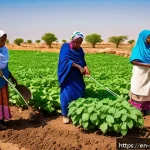
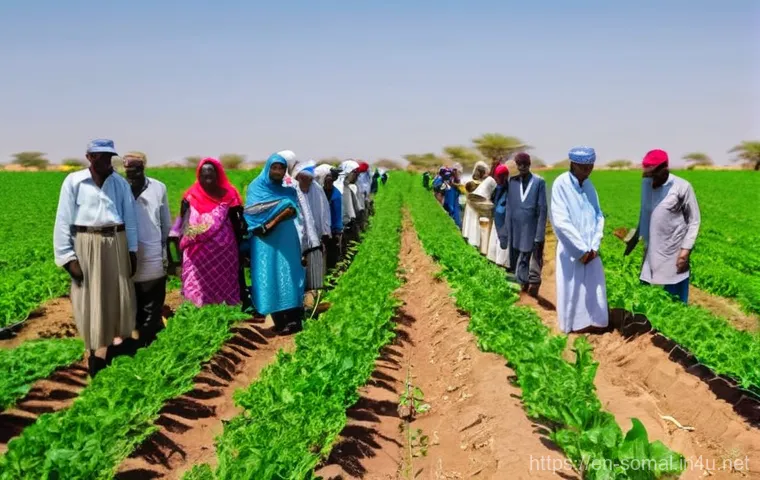
- With livelihoods heavily dependent on agriculture and livestock, and constant threats from climate variability, expertise in sustainable land management, water harvesting, and resilient agricultural practices is highly valued.
- Think about sharing knowledge on drought-resistant crops, efficient irrigation techniques, or even assisting in the development of early warning systems for climate-related disasters. These contributions directly impact food security and the resilience of communities.
Arts, Culture, and Community Building
Beyond the immediate needs, supporting arts and culture is vital for community cohesion and identity. Somaliland has a rich oral tradition and a vibrant cultural heritage that can be nurtured. I’ve often thought about how artists, writers, or even musicians could contribute by:
- Facilitating workshops that empower local youth to express themselves through art, storytelling, or poetry, preserving their unique narratives.
- Helping to document traditional practices or historical accounts, ensuring that valuable cultural knowledge is passed down through generations.
- Supporting cultural centers and initiatives that promote local arts, fostering a sense of pride and providing platforms for community gathering and expression.
This kind of engagement might not seem as “urgent” as, say, healthcare, but it builds the soul of a community, fostering creativity and resilience in ways that are deeply important for long-term well-being.
Beyond the Visit: Long-Term Engagement Strategies
I know many of us, myself included, often think of “volunteering” as a short-term trip, a few weeks or months on the ground. And while those experiences are incredibly valuable, what I’ve really come to appreciate is the power of sustained, long-term engagement. Especially in a place like Somaliland, building consistent relationships and offering ongoing support can truly cement the impact of your efforts. This might mean committing to a longer placement, but it also opens up incredible opportunities for remote contributions. With today’s technology, geographical distance doesn’t have to be a barrier to making a real difference. Think about how many ways you can lend your skills from your home office – it’s a game-changer for people who can’t physically travel but still have so much to offer. This commitment, whether it’s through regular check-ins, remote mentorship, or online project support, builds invaluable trust and creates a much deeper, more embedded impact than fleeting visits ever could.
Remote Contributions and Online Support
- If traveling isn’t feasible, consider virtual volunteering. Many organizations in Somaliland are looking for remote support in areas like grant writing, social media management, website development, or even online tutoring.
- Language skills are often needed too; if you’re bilingual in English and Somali, you could help translate educational materials or important documents, significantly increasing their reach and value.
Fostering Partnerships and Networks
One of the most powerful things you can do is help build bridges. Somaliland, due to its unrecognised status, sometimes faces challenges in accessing international aid and investment directly. This is where your networks can be gold! Introducing local organizations to potential international partners, facilitating collaborations, or even helping them navigate the complexities of grant applications can unlock significant resources. I’ve seen how connecting a local NGO with a foundation in the US or Europe can completely transform their capacity to deliver vital services. It’s about being an advocate and a connector, leveraging your own sphere of influence to amplify their efforts. This kind of networking can create opportunities that might not otherwise exist, leading to truly sustainable development.
Preparing for Your Journey: Practical Steps and Mindset Shifts
Okay, so you’re feeling that pull, that excitement to truly make a difference in Somaliland – I get it! It’s an incredible feeling. But, like any meaningful journey, preparation is key. This isn’t just about practicalities, though those are important; it’s also about preparing your mindset. I’ve learned that going into such an experience with an open heart, a flexible attitude, and a healthy dose of patience will serve you so much better than any preconceived notions. Things might not always go according to plan, and that’s okay. The beauty often lies in adapting, in finding creative solutions, and in leaning into the unexpected. It’s about being a learner as much as a giver, truly immersing yourself in the experience. Trust me, the personal growth you’ll gain from embracing these challenges is just as valuable as the contributions you make to the community. It’s an adventure for the soul, and it will change you in the best possible ways.
Essential Preparations: Visa, Health, and Safety
- Visa and Travel: Make sure to thoroughly research visa requirements well in advance. Some organizations might assist with this, but it’s ultimately your responsibility to ensure you have the correct documentation for your stay. You’ll likely need to factor in additional visa fees.
- Health Checks and Vaccinations: Consult your doctor about recommended vaccinations and any necessary precautions for travel to the region. Having a comprehensive medical kit is also a smart move, covering everything from basic first aid to any personal medications.
- Safety and Security: Stay informed about the local security situation through reliable sources. Many organizations that facilitate volunteering will provide detailed safety briefings and protocols, which are crucial to follow.
Cultivating a Mindset of Flexibility and Openness
Seriously, this is probably the most important ‘tool’ you can pack! Somaliland operates on its own rhythm, and things might not always align with Western schedules or expectations. I’ve personally found that letting go of rigid plans and embracing a “go with the flow” attitude drastically reduces stress and opens you up to richer, more authentic experiences. Be ready for unexpected delays, different ways of doing things, and cultural nuances that might initially challenge your perspective. Ask questions, listen intently, and observe. The people you meet are incredibly resilient and resourceful, and there’s so much to learn from their approach to life. Maintaining a positive outlook, even when faced with challenges, not only makes your own experience more enjoyable but also helps foster a collaborative and supportive environment for everyone around you. It’s about respecting their way of life and finding your place within it, rather than trying to change it. This journey is as much about self-discovery as it is about contribution, and an open mind is your best companion.
| Area of Impact | Skills Most Needed | Potential Activities |
|---|---|---|
| Healthcare Enhancement | Medical professionals (doctors, nurses), public health specialists, researchers, data analysts | Training local staff, health policy development, maternal & child health programs, mental health support, data collection and analysis. |
| Education & Youth Development | Teachers (especially English), curriculum developers, vocational trainers, youth mentors, digital literacy instructors | Teacher training, developing educational materials, vocational skills workshops (e.g., coding), digital literacy classes, entrepreneurship mentorship. |
| Economic Empowerment | Business development experts, marketing specialists, financial advisors, microfinance specialists | Mentoring small businesses, assisting with market access, developing business plans, supporting financial literacy, promoting sustainable tourism. |
| Environmental Sustainability | Environmental scientists, agricultural specialists, climate change adaptation experts, water resource managers | Implementing sustainable land management, rainwater harvesting, drought resilience strategies, environmental education, conservation projects. |
| Digital Inclusion | IT professionals, web developers, content creators, digital marketing specialists | Conducting digital literacy training, creating online educational resources, assisting NGOs with digital presence, remote IT support. |
Wrapping Things Up
Well, folks, what an incredible journey we’ve been on together! Somaliland truly is a place of immense potential and heart, and it’s clear that whether you’re there in person or lending your skills remotely, every bit of genuine, well-considered effort makes a huge difference. What I’ve taken away from my own experiences and what so many of you have shared is that true impact comes from listening, learning, and working hand-in-hand with the local community, building relationships that last long after any single project. It’s not just about what you give; it’s about what you learn and the profound connections you forge, creating a ripple effect of positive change that benefits everyone involved. So, are you ready to find your purpose and be part of something truly special?
Useful Information to Know
1. Always start with thorough research into Somaliland’s unique political status, cultural norms, and current development priorities. Understanding the local context, including its self-declared independence and strong clan structures, is your first and most crucial step for respectful and effective engagement.
2. Seek out reputable local and international organizations already working on the ground. Partnering with established entities ensures your efforts are aligned with existing needs and sustainable goals, rather than reinventing the wheel. Organizations like the NAGAAD Network for women’s empowerment and the BRCiS Consortium for community resilience are great examples of impactful local initiatives.
3. Cultivate cultural humility and flexibility. Be prepared for different communication styles, unexpected challenges, and a possibly slower pace. Your ability to adapt and listen intently to local perspectives will be your greatest asset, building trust and fostering genuine collaboration.
4. Consider both in-person and remote contributions. While being on the ground offers immersive experiences, leveraging digital tools for mentorship, training, or project support can provide continuous, impactful assistance from anywhere in the world. Many organizations now offer remote volunteering opportunities.
5. Focus on knowledge transfer and empowerment. The most sustainable contributions empower local communities with skills and resources to drive their own development, fostering long-term self-sufficiency rather than dependency. This aligns with calls for prioritizing technical skills and digital literacy for economic growth.
Key Takeaways
To truly make a difference in Somaliland, it’s about respectful engagement, understanding local needs, and empowering communities to lead their own development. Whether through sharing your professional skills, supporting burgeoning local businesses, or advocating for digital literacy and education, your contribution, when combined with cultural sensitivity and a long-term, collaborative perspective, can foster incredible, lasting change. Remember, the journey is one of mutual learning and shared growth, building resilience and brighter futures together.
Frequently Asked Questions (FAQ) 📖
Q: What kinds of volunteer opportunities are most needed and genuinely impactful in Somaliland right now?
A: From my own journey of exploring how to truly make a difference, I’ve seen firsthand that Somaliland has a deep need for support in areas directly tackling its core challenges: climate change, education, and youth empowerment.
Think about it – over 70% of the population relies on agriculture, so initiatives combating desertification, promoting sustainable farming techniques like hydroponics, or improving water access are absolutely vital.
You could be helping a community grow resilient crops in drought-prone areas or working on reforestation projects. Then there’s the huge challenge of youth unemployment.
I’ve heard stories that the unemployment rate for young people can be as high as 75% in some areas. So, any skills you can share in vocational training, entrepreneurship mentorship, or even English language teaching can create ripples of opportunity for young Somalilanders.
And let’s not forget healthcare and education; these are always critical areas where skilled volunteers, from medical professionals to experienced teachers, can leave a lasting mark, especially when working with local organizations to build their capacity.
Conservation efforts, like those protecting cheetahs, are also super meaningful. It’s really about finding where your unique talents intersect with their most pressing needs, and believe me, there are many avenues for genuine impact.
Q: How can I ensure my volunteering efforts in Somaliland are truly sustainable and respectful of the local community?
A: This is honestly one of the most crucial things I’ve learned about ethical volunteering, not just in Somaliland but anywhere. My biggest takeaway is that it’s all about partnership and humility.
The best way to be truly impactful and respectful is to work with local organizations, not just for them. They are the experts on their own communities, their culture, and their needs.
I’ve always advocated for seeking out established local NGOs or community-led initiatives that have a proven track record. This approach ensures that your efforts aren’t just a short-term fix but contribute to long-term, community-owned solutions.
Before you even go, immerse yourself in learning about Somaliland’s culture, customs, and Islamic traditions. Understanding basic Somali phrases, respecting dress codes (for women, a headscarf outside compounds is generally appropriate), and being mindful of social norms can make all the difference in building trust and fostering genuine connections.
And remember, it’s not always about bringing new solutions; sometimes, it’s about supporting existing ones, sharing skills, and building local capacity so that the community can continue the work long after you’ve left.
That, to me, is the essence of sustainable and heartfelt engagement.
Q: Is it safe to volunteer in Somaliland, and what practical steps should I take to prepare for my trip?
A: I know this is a big concern for many people, and it’s completely valid. Somaliland is generally considered to be safer than some of its neighbors, thanks to its relatively stable, self-governing nature.
However, it’s crucial to acknowledge its unique political context and exercise a high level of vigilance, just as you would in many parts of the world.
My personal tip? Do your homework and don’t rely on assumptions. Always check the latest travel advisories from your home government, as these are frequently updated.
What I found really helps is choosing to volunteer with a reputable organization that has established safety protocols and a strong local presence. Many organizations will provide their volunteers with comprehensive safety briefings, local contacts, and even transportation within the country, sometimes with security personnel.
For your personal preparation, travel insurance that covers emergency evacuation is a must – absolutely non-negotiable in my book! I also recommend visiting a travel doctor well in advance to ensure you have all necessary vaccinations and health precautions in place.
Pack respectfully, be culturally sensitive in your interactions, and always have an emergency plan, including knowing how to reach your embassy or consulate if needed.
Staying informed, staying connected to your host organization, and trusting your instincts are your best allies for a safe and rewarding experience.