Ever wondered what it’s like to navigate the skies in a truly unique corner of the world? Somaliland, with its vibrant culture and growing economy, is becoming increasingly accessible, and understanding its main airports and the airlines that serve them is key for any traveler, whether for business or adventure.
From the bustling hub of Hargeisa to the strategically important Berbera, air travel here is more than just a journey; it’s a gateway to discovery. Having explored countless destinations myself, I find Somaliland’s aviation landscape fascinatingly dynamic, reflecting its resilience and ambition.
Let’s dig deeper and uncover all the essential details you’ll need to know.
Unveiling Somaliland’s Aerial Gateways: A Traveler’s Perspective
Stepping off a plane in a new country is always exhilarating, isn’t it? But there’s something truly special about arriving in Somaliland. Having explored so many unique destinations over the years, I can tell you that the experience here feels distinct, reflecting the nation’s incredible spirit and progress. For anyone planning a trip, understanding the ins and outs of Somaliland’s air travel infrastructure is absolutely essential. It’s not just about booking a ticket; it’s about appreciating the journey and what these airports represent for the people. I’ve had the pleasure of flying into Hargeisa several times, and each visit offers a fresh perspective on how vital these connections are. The vibrancy you feel, even just walking through the arrivals hall, is palpable, a testament to the growth and development happening right before your eyes. From the moment you land, you realize this isn’t just a point on a map; it’s a dynamic hub connecting communities and commerce, a true gateway to a land rich in history and potential.
Hargeisa Egal International: The Beating Heart of Somaliland Aviation
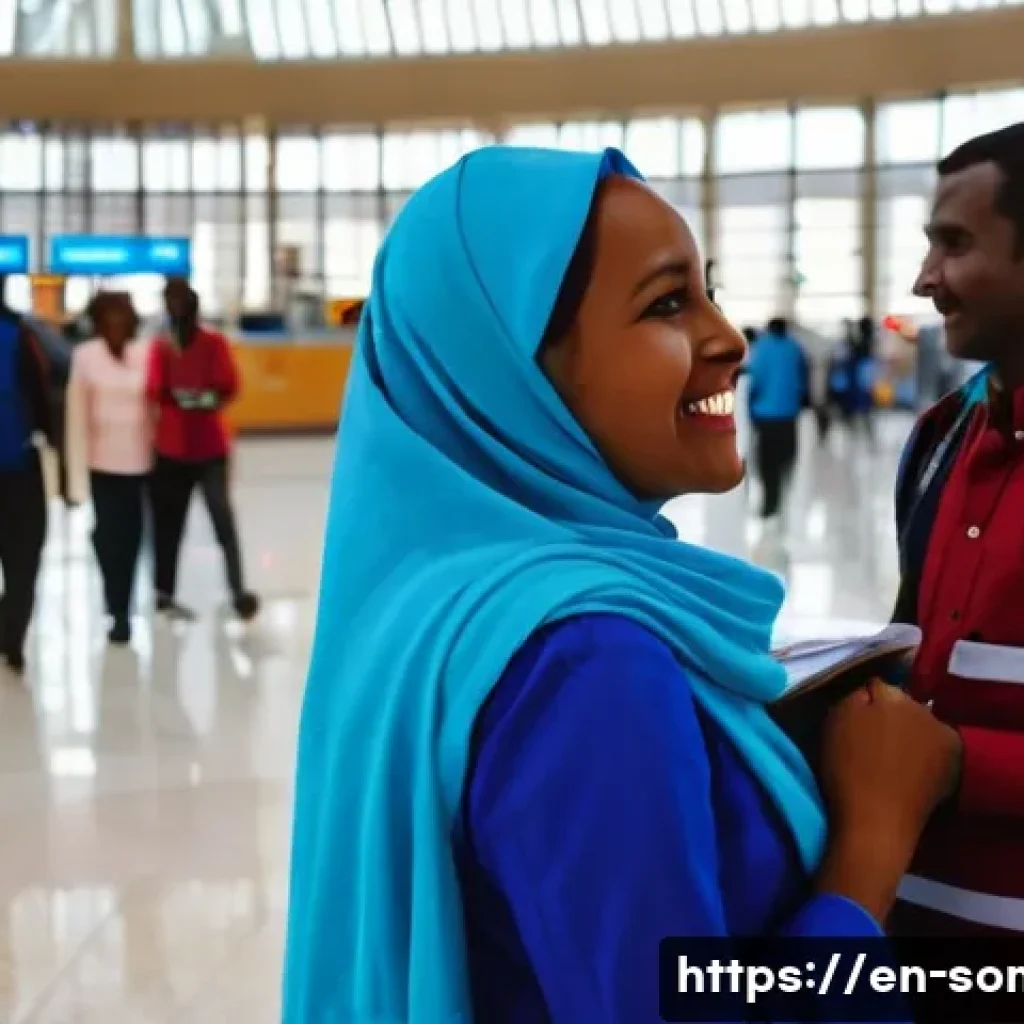
My first experience flying into Hargeisa Egal International Airport (HGA) was eye-opening. You expect a certain level of infrastructure, but what truly impressed me was the palpable energy and efficiency. It’s not a sprawling mega-airport like some international hubs, but it’s incredibly well-organized and serves its purpose beautifully as the primary gateway. This airport is more than just tarmac and terminals; it’s the lifeline for Somaliland, facilitating everything from business travel and tourism to humanitarian aid and family reunions. I’ve seen families embracing with tears in their eyes, business people rushing to meetings, and adventurers, like myself, eager to start their explorations. The upgrades over the past few years have made a significant difference, from the improved runways to more comfortable waiting areas, showing a clear commitment to modernizing and enhancing the traveler experience. It truly feels like a place where the world connects with Somaliland, fostering growth and cultural exchange. You can’t help but feel a sense of optimism here, a reflection of the nation’s journey.
Berbera International: A Coastal Connection to the World
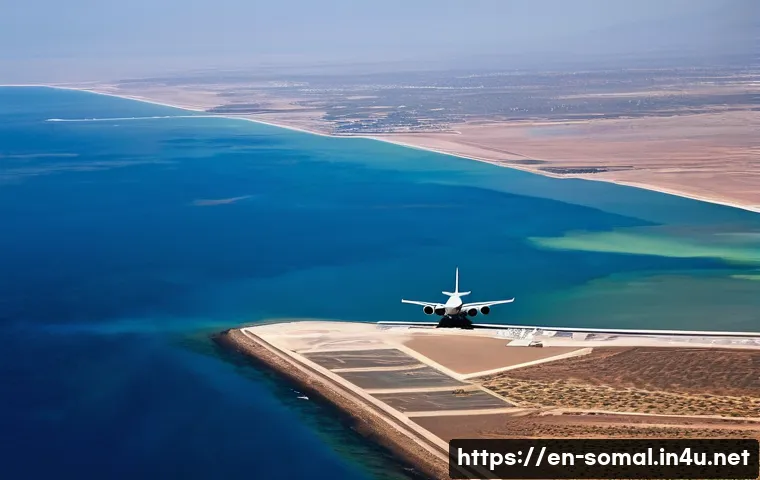
While Hargeisa gets most of the attention, Berbera International Airport (BBO) is a fascinating story in itself, and one I’ve personally explored. Situated on the coast, it plays a different, yet equally crucial, role. Its long runway, initially built with a different purpose in mind, now positions it as a significant asset for cargo and potentially a future passenger hub, especially given its strategic location near the port. When I visited, I was struck by the sheer scale of the runway – it felt endless! This capacity hints at huge potential for increased international flights and cargo operations, bolstering Somaliland’s economic ambitions. For travelers, it offers an alternative entry point, particularly if your destination is closer to the coast or if you’re looking for different flight options. Observing the ongoing developments and discussions around Berbera, it’s clear that this airport is earmarked for substantial growth, turning a strategic military asset into a powerful economic engine for the region. It’s exciting to imagine the future possibilities it holds for Somaliland.
Navigating the Skies: Airlines Connecting Somaliland to the World
One of the first things I always research when planning a trip to a new region is “who flies there?” In Somaliland’s case, the list of airlines connecting it to the world, while not exhaustive, is incredibly vital and showcases the country’s growing connectivity. These carriers are the threads weaving Somaliland into the global tapestry, making it easier for people to visit, invest, and connect with loved ones abroad. Having flown with a few of these, I can attest to the reliable service they provide, often forming crucial links through major regional hubs. It’s a testament to the increasing demand for travel to and from Somaliland that these airlines continue to operate and even expand their routes. For any savvy traveler, knowing these options is key to finding the best flights, whether you’re prioritizing direct routes, specific layovers, or simply the most budget-friendly options. Each airline offers a slightly different experience, and understanding their networks can really optimize your travel plans. It’s truly fascinating to see how these aerial bridges are shaping Somaliland’s engagement with the international community.
Key Carriers Serving Somaliland’s Airports
When it comes to getting to Somaliland, a few names consistently pop up. Ethiopian Airlines is often a go-to for many, including myself, offering extensive connections through their hub in Addis Ababa. I’ve found their service to be consistently good, making the journey smooth even with a layover. Jubba Airways and Daallo Airlines are also prominent, serving as essential regional links, often connecting Somaliland with destinations like Dubai, Jeddah, and other East African cities. These aren’t just commercial flights; they’re cultural conduits, carrying people, goods, and stories across borders. What I’ve personally observed is the dedication of these airlines to maintaining consistent schedules and providing a comfortable experience, understanding the importance of their role. For someone looking for flexibility, having multiple carriers to choose from, even if it means connecting through a regional hub, is a huge advantage. It really broadens the horizons for both business and leisure travelers alike, making Somaliland feel much less remote than it once was.
Future Prospects and Expanding Routes
The aviation landscape in Somaliland isn’t static; it’s constantly evolving, and that’s genuinely exciting. There’s always buzz about new airlines showing interest or existing ones expanding their routes, and I keep a close eye on these developments. I’ve heard whispers and seen news reports about potential new connections, which would be a game-changer for travelers. Increased competition and more direct routes would not only make travel more convenient but also potentially more affordable, which is always a win in my book! As Somaliland continues to grow economically and politically, I fully anticipate seeing more international carriers recognize its potential and establish services. This kind of expansion is crucial for attracting more investment, boosting tourism, and strengthening ties with the global community. It’s a dynamic situation, and I’m genuinely optimistic about the future of air travel here, expecting to see even more options emerge in the coming years. It’s a clear sign that Somaliland is truly opening up to the world.
My Personal Journey Through Somaliland’s Air Travel Landscape
Having flown in and out of Somaliland multiple times, I feel like I’ve gained a pretty solid understanding of what to expect, and more importantly, how to make the experience as seamless as possible. My very first trip, I admit, I was a bit apprehensive. You hear stories, you read reports, but until you’re there, experiencing it firsthand, you don’t truly know. What I discovered was a surprisingly welcoming and efficient system, particularly at Hargeisa Egal. The staff were friendly, and the processes, though perhaps a little different from a massive European airport, were straightforward. I always make sure to have my visa documents perfectly in order – that’s a universal tip for any international travel, but especially important in a developing region. The key, I’ve found, is to approach it with an open mind and a bit of patience. The cultural nuances, the vibrant atmosphere, and the genuine hospitality you encounter truly make any minor inconvenience fade into the background. It’s these small, personal interactions that often define a trip for me, and Somaliland has never disappointed in that regard. It’s less about the gleaming terminals and more about the human connection.
Insider Tips for a Smooth Airport Experience
Based on my own experiences, I’ve picked up a few practical tips that I always share with friends planning to visit Somaliland. Firstly, always arrive with plenty of time. While procedures are generally efficient, you never want to feel rushed, especially when dealing with international travel. I usually aim for at least two hours before my flight. Secondly, keep copies of all your essential documents – passport, visa, flight confirmations – both physical and digital. It’s a small thing, but it can save a lot of stress if anything unexpected happens. Thirdly, don’t hesitate to ask for help if you’re unsure about something. The airport staff, in my experience, are usually very willing to assist, and a friendly smile goes a long way. I remember once being slightly confused about a gate change, and a quick, polite question immediately cleared things up. Lastly, embrace the local atmosphere! The waiting areas can be lively, filled with conversations in various languages, and it’s all part of the unique travel adventure in this part of the world. It’s these little things that make your journey not just tolerable, but actually enjoyable.
Embracing the Journey: Beyond the Runway
Beyond the technicalities of check-in and security, what really sticks with me from my airport experiences in Somaliland is the sense of community. The airports aren’t just transit points; they’re places of reunion, departure, and often, emotional farewells. I’ve witnessed the genuine joy of families reuniting and the wistful goodbyes as loved ones head abroad for work or study. These moments add a profound depth to the entire travel experience. It reminds you that behind every flight, there’s a human story. The smell of local coffee, the chatter in various languages, the vibrant traditional clothing mixed with modern attire – it all creates an atmosphere that’s distinctly Somaliland. For me, these moments are as much a part of the journey as the flight itself. They offer a window into the country’s heart and soul, making you feel more connected to the place and its people. So, while you’re navigating the practicalities, don’t forget to look around and soak it all in. It’s an invaluable part of the adventure.
Future Horizons: What’s Next for Somaliland Aviation?
The trajectory of Somaliland’s aviation sector is, in my opinion, one of steady upward growth, and it’s something I’m genuinely excited to watch unfold. Looking at the strategic investments being made, particularly in infrastructure upgrades at both Hargeisa and Berbera, it’s clear that there’s a long-term vision in play. These aren’t just superficial renovations; they’re foundational improvements designed to handle increased traffic and modern aircraft. The ongoing efforts to enhance air traffic control systems and improve ground services also speak volumes about the commitment to safety and efficiency, which are paramount for attracting more international carriers. I often find myself thinking about how these developments will not only facilitate easier travel but also significantly contribute to the nation’s economic diversification. More efficient air cargo, for instance, could unlock new export opportunities for local businesses, a true game-changer. It’s a clear indication that Somaliland isn’t just surviving; it’s thriving and actively building for a prosperous future, with air travel playing a crucial role in that ambition. It’s truly inspiring to witness this evolution.
Investing in Infrastructure and Technology
One of the most exciting aspects of Somaliland’s aviation development is the palpable investment in both physical infrastructure and cutting-edge technology. I’ve personally observed the improvements at Hargeisa Egal, where new terminal facilities and upgraded navigation aids are making a real difference. But it’s not just about shiny new buildings; it’s about the behind-the-scenes work that ensures safety and efficiency. Think about the enhanced radar systems or the training programs for air traffic controllers – these are the foundational elements that build trust and attract more reputable airlines. When I talk to people involved in the sector, there’s a strong sense of pride and a clear understanding that these investments are critical for future growth. It’s a holistic approach, recognizing that a modern airport isn’t just a point of arrival and departure, but a complex ecosystem requiring continuous improvement. This commitment to staying current with international standards truly gives me confidence in the sustainability and growth of Somaliland’s air travel sector.
Beyond Passengers: The Role of Cargo and Connectivity
While passenger flights often grab the headlines, the role of air cargo in Somaliland’s development is equally, if not more, significant, and it’s something I always try to highlight. I’ve seen firsthand how vital efficient cargo operations are for a developing economy. From bringing in essential medicines and technology to exporting local products to international markets, air freight is a powerful engine of growth. The strategic expansion of Berbera International Airport, with its massive runway, positions it perfectly to become a major cargo hub for the Horn of Africa. This isn’t just about faster delivery; it’s about creating new economic opportunities, supporting local industries, and integrating Somaliland more deeply into global supply chains. Imagine the impact of farmers being able to reliably export fresh produce or artisans reaching customers across continents. It’s a vision that’s steadily becoming a reality, and the aviation sector is undeniably at the forefront of this economic transformation, offering a lifeline for commerce and development that extends far beyond individual travelers.
Essential Somaliland Airport Information at a Glance
For those of you who appreciate a quick reference guide, I’ve put together a small summary of the key airports in Somaliland. While I always encourage diving deeper, sometimes you just need the facts quickly! This information should give you a good starting point for understanding the main operational hubs and what they primarily offer. It’s easy to get lost in the details when planning international travel, but knowing the basics about your arrival and departure points can make a huge difference in how prepared you feel. Think of this as your quick cheat sheet, based on the kind of practical details I always seek out myself. From IATA codes to major functions, these airports are the unsung heroes of Somaliland’s connectivity, each playing its unique part in the nation’s unfolding story. Keep this handy, and you’ll be one step ahead in navigating the charming skies of Somaliland.
| Airport Name | IATA Code | Primary City Served | Key Function/Notes |
|---|---|---|---|
| Hargeisa Egal International Airport | HGA | Hargeisa | Main international gateway, highest passenger traffic, crucial for business & tourism. |
| Berbera International Airport | BBO | Berbera | Strategic coastal location, long runway for large aircraft, growing cargo hub, potential future passenger growth. |
| Burao Airport | BUO | Burao | Regional airport, handles domestic flights and smaller international connections. |
| Erigavo Airport | ERA | Erigavo | Smaller regional airport, primarily for domestic and light aviation. |
Airlines Connecting You to Somaliland
When you’re ready to book your adventure, knowing which airlines consistently serve Somaliland is super helpful. I’ve personally relied on a few of these, and they’ve always gotten me where I need to be safely and efficiently. Ethiopian Airlines is a staple, connecting through their major hub in Addis Ababa, which provides excellent onward connections globally. Then you have regional specialists like Jubba Airways and Daallo Airlines, which are fantastic for connections within East Africa and to the Middle East, particularly Dubai and Jeddah. These airlines have built their reputation on serving this region, understanding the specific needs and travel patterns. What I’ve found is that their local knowledge and established networks can often make for a smoother journey, especially if you’re traveling from within the continent. Always check their schedules directly, as routes can sometimes vary, but these are your most reliable bets for reaching Somaliland’s vibrant cities. It’s like having trusted friends who know the best way to get you there!
Booking Your Somaliland Flight: Practical Advice
Booking flights can sometimes feel like a puzzle, especially when traveling to less-frequented destinations. My best advice for Somaliland is to be flexible if your schedule allows, and always compare options. While online travel agencies are great, don’t forget to check the airlines’ direct websites for potentially better deals or specific route information not always visible elsewhere. For instance, sometimes a regional carrier might have a unique flight that perfectly fits your itinerary. I’ve learned that a little bit of digging can save you both time and money. Also, consider the layover times. While a short layover seems appealing, sometimes a slightly longer one can offer a more relaxed connection, especially if you’re navigating a new airport. And finally, always, always confirm baggage allowances! Regional flights can sometimes have different restrictions than major international routes, and avoiding surprises at the check-in counter is a definite win. These small considerations, based on my own trial and error, will help ensure your journey to Somaliland is as stress-free as possible.
글을 마치며
Well, what an incredible journey it’s been diving deep into Somaliland’s aviation landscape! Reflecting on my own experiences and the insights we’ve uncovered, it’s abundantly clear that the airports here are far more than just points of arrival and departure. They are dynamic arteries, pulsating with the lifeblood of a nation on the rise, connecting its vibrant culture and entrepreneurial spirit with the wider world. From the bustling energy of Hargeisa Egal to the strategic potential of Berbera International, each gateway tells a story of progress, resilience, and an unwavering vision for the future. It’s been genuinely inspiring to witness the commitment to growth and modernization firsthand, making travel to this remarkable corner of the Horn of Africa increasingly accessible and smooth for everyone. Every flight inbound and outbound is a testament to Somaliland’s growing global presence, and honestly, that’s something truly exciting to be a part of.
알아두면 쓸모 있는 정보
1. Visa Requirements: Always double-check the latest visa regulations before your trip. You typically need a visa to enter Somaliland, and securing it in advance from a Somaliland representative office (like in Addis Ababa, Nairobi, or London) can save you time and hassle upon arrival. Some nationalities might be able to obtain a visa on arrival, but verifying this beforehand is crucial for a smooth entry.
2. Currency and Payments: While the Somaliland Shilling is the official currency, US Dollars are widely accepted for most transactions, especially in major cities like Hargeisa. It’s wise to carry a mix of smaller USD denominations. Mobile money services are extremely popular and convenient for local payments, so don’t be surprised to see many businesses opting for digital transactions.
3. Airport Transfers: Taxis are readily available outside Hargeisa Egal International Airport. It’s always a good idea to agree on a price with the driver before starting your journey to avoid any misunderstandings. For peace of mind, consider arranging a pick-up with your hotel or a trusted local contact in advance, especially if you’re arriving late at night.
4. Local SIM Card: Staying connected is easy! You can purchase a local SIM card with data upon arrival at the airport or in the city. Companies like Somtel and Telesom offer affordable plans, ensuring you can navigate, communicate, and share your experiences without interruption. This is incredibly helpful for using ride-hailing apps or just generally getting around.
5. Cultural Sensitivity: Somaliland is a predominantly Muslim country with strong cultural traditions. Dressing modestly, especially for women, is appreciated. Learning a few basic Somali greetings like “Assalamualaikum” (peace be upon you) and “Mahadsanid” (thank you) will go a long way in showing respect and fostering positive interactions with the incredibly welcoming locals.
중요 사항 정리
To sum things up, Somaliland’s aviation scene is on a clear upward trajectory, with Hargeisa Egal International Airport serving as the bustling primary international gateway and Berbera International Airport emerging as a strategic coastal hub with immense cargo and future passenger potential. Airlines like Ethiopian, Jubba, and Daallo play pivotal roles in connecting the nation to key regional and global destinations, fostering both economic growth and cultural exchange. My personal adventures have shown me that with a bit of preparation and an open mind, navigating these airports is a straightforward and often heartwarming experience, full of genuine hospitality and a palpable sense of community. The ongoing investments in infrastructure and technology signal a robust future, not just for air travel, but for Somaliland’s overall development and its growing integration into the global economy. It’s an exciting time to visit, and these aerial connections are truly making the world feel a little bit closer to this remarkable land.
Frequently Asked Questions (FAQ) 📖
Q: What are the main international airports in Somaliland, and what unique aspects should a traveler know about each?
A: Navigating Somaliland by air primarily brings you to two distinct international gateways: Hargeisa Egal International Airport (HGA) and Berbera International Airport (BBO).
From my own travels, I’ve found that each offers a slightly different entry point into this captivating region. Hargeisa Egal International Airport, located in the bustling capital of Hargeisa, is definitely the main hub for most international traffic.
It’s the largest in terms of passenger and cargo volume, and you can really feel its importance as a nexus for business and humanitarian travel. Having undergone significant renovations in recent years, including expansions in 2012-2013 and ongoing plans for a brand-new terminal, it’s working hard to modernize.
You’ll find essential facilities like cafes for a quick bite, gift shops, banks, currency exchange services, and even dedicated prayer rooms and VIP areas if you’re looking for a bit more comfort.
The security procedures here are robust, with X-ray machines and trained personnel, which always puts my mind at ease when I’m traveling. It truly feels like the beating heart of Somaliland’s aviation.
Then there’s Berbera International Airport, nestled on the coast in the strategically vital city of Berbera. This airport has a fascinating history – did you know its incredibly long runway (one of the longest in Africa!) was originally built by the Soviet Union and even served as an emergency landing site for NASA’s Space Shuttle?
Talk about a unique past! It’s also seen a massive facelift, reopening to international passengers in November 2021 after extensive refurbishment. The aim here is clearly to attract more major airlines and boost tourism, and they’ve definitely invested in modern equipment and state-of-the-art communication systems.
While it might not have the same bustling array of shops and dedicated lounges as Hargeisa just yet, the terminal offers comfortable waiting areas, and the whole atmosphere reflects a forward-looking ambition to connect Somaliland to the world.
I personally love seeing how these improvements open up new possibilities for exploration.
Q: Which airlines fly to Somaliland, and from which international cities can I access these flights?
A: This is a super common question, and thankfully, getting to Somaliland has become much more accessible over the years, with several reputable airlines offering routes from key international cities.
If you’re flying into Hargeisa Egal International Airport (HGA), which, as I mentioned, is the primary gateway, you have a few excellent choices. Ethiopian Airlines is a big player, offering convenient daily direct flights from their hub in Addis Ababa, Ethiopia.
This is often my go-to option when connecting from other international destinations. flydubai also provides direct daily services from Dubai, which is fantastic for those connecting from the Middle East, Asia, or Europe.
I’ve personally found the Dubai connection to be incredibly smooth! Beyond these, you’ll find Daallo Airlines connecting Hargeisa directly from cities like Mogadishu, Dubai, and Jeddah.
Jubba Airways is another vital carrier, particularly for regional travel, with direct flights from domestic points such as Mogadishu, Bosaso, Galkayo, and Garowe, as well as international routes from Jeddah and Djibouti.
You might also find flights operated by African Express Airways and Air Djibouti from Mogadishu and Djibouti, respectively, and even FlexFlight on some routes from Dubai, Mogadishu, and Jeddah.
It’s also worth keeping an eye out for “Somaliland Airlines,” as there are plans for it to become the national carrier in 2024, which could bring even more options!
For Berbera International Airport (BBO), Ethiopian Airlines currently has scheduled flights, which is a testament to the airport’s recent upgrades. Historically, airlines like African Express Airways and Daallo Airlines have also served Berbera on domestic and some international routes.
The ongoing investment in Berbera clearly aims to expand these connections and attract even more major international airlines, so watch this space!
Q: What facilities and local transportation options can I expect when arriving at or departing from Somaliland’s airports?
A: Understanding what to expect on arrival and departure can really ease your travel worries, and from my own experiences, both Hargeisa and Berbera airports offer practical, albeit sometimes different, experiences.
At Hargeisa Egal International Airport (HGA), you’ll find a modernizing infrastructure. The terminals have been renovated, improving the flow of passengers.
When you land, expect clear signage for baggage claim and security checks. While there isn’t a dedicated cargo terminal in the traditional sense, ground staff efficiently handle luggage using forklifts, belts, and trolleys, ensuring your bags get to you safely.
Security is a priority here, with good procedures in place, including X-ray machines and metal detectors, which, in my opinion, makes for a secure and reassuring environment.
For your comfort, there are facilities like currency exchange desks (often located near the car park), a bank, cafes for a quick coffee or snack, and even a VIP area if you’ve pre-arranged access.
Getting to and from the city is straightforward; taxis are readily available right outside the terminal building, and the ride to downtown Hargeisa is quite quick, usually around 18 minutes as it’s only about 6 kilometers away.
There’s also a local car rental option, Shaybe Car Hire, if you prefer to drive yourself, and short-term parking is available. Berbera International Airport (BBO), especially after its significant refurbishment, offers a surprisingly modern and efficient experience.
The new expanded passenger terminal is designed with clear separation between arriving and departing passengers, which always helps with flow and reduces confusion.
Although it doesn’t boast multiple dining options or dedicated airline lounges like some larger international airports I’ve visited, there are small kiosks for snacks and drinks, and a comfortable waiting area where you can relax before your flight.
First aid and ambulance services are also on-site, which is reassuring. Transport into Berbera city is easy; taxis are the main way to go, and the ride is a quick 15 minutes as the airport is just about 7 kilometers from the city center.
The roads leading to the airport are generally well-maintained, ensuring a smooth journey. Plus, there’s ample parking close to the terminal, and it’s usually free for short-term stays, which is a nice bonus if you have someone dropping you off or picking you up.
Both airports, in their own ways, are well-equipped to get you in and out of Somaliland with relative ease and efficiency.