Traveling through Somaliland offers a unique adventure, but understanding its public transport can be a bit daunting for first-timers. With recent improvements in infrastructure and growing interest from international visitors, now is the perfect time to explore like a local.
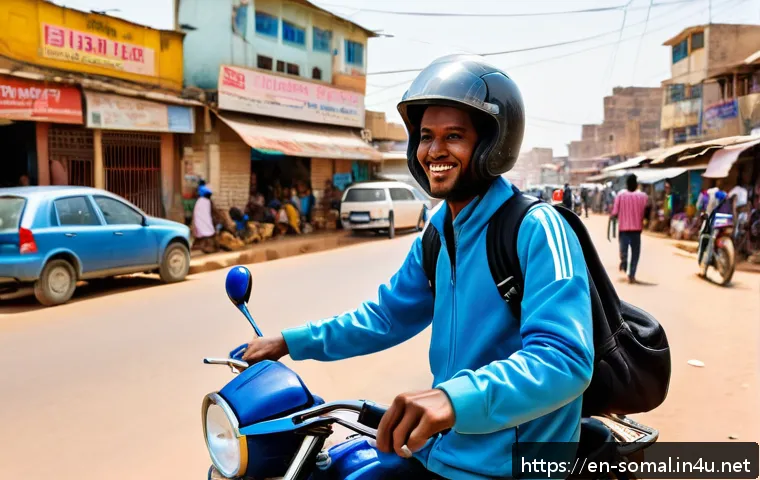
Whether you’re hopping on a shared minibus or negotiating a ride with a boda-boda driver, mastering the ins and outs of Somaliland’s transport system will save you time, money, and stress.
In this guide, I’ll share firsthand tips and insights that helped me navigate the bustling streets smoothly, so you can dive right into the culture without a hitch.
Let’s get you confidently moving through Somaliland’s vibrant cities and scenic routes!
Getting Around with Shared Minibuses
Understanding the Routes and Stops
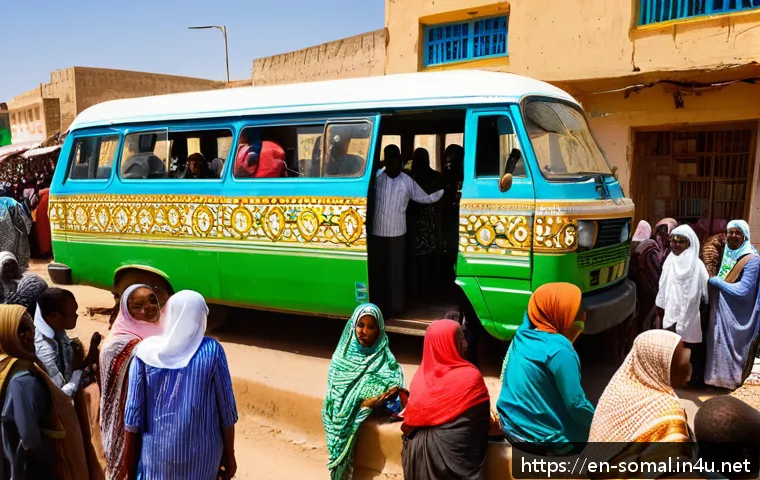
Shared minibuses, often called “dala-dala,” are the backbone of urban transport in Somaliland. They run on fixed routes connecting major neighborhoods and city centers, but don’t expect formal bus stops like you might be used to elsewhere.
Instead, minibuses stop whenever passengers signal or request it, so it’s crucial to know your destination’s general location and the usual route. From my experience, chatting with locals or even the driver before boarding can clarify if the bus is heading where you want.
The routes tend to be busiest during morning and evening rush hours, so plan accordingly to avoid the crowd crush.
How to Board and Pay
Jumping on a dala-dala can feel a bit chaotic at first. Usually, you just flag the minibus down along the road. Once inside, the fare is paid to the conductor, who moves through the bus collecting money.
Fares are inexpensive, typically just a few hundred Somaliland shillings for short distances—think less than a dollar. Having small bills or coins ready saves time and avoids confusion.
I found that being polite and making eye contact with the conductor helped smooth the process. If you’re unsure about the fare, ask a local nearby; they’re generally happy to help.
Tips for a Comfortable Ride
These minibuses can get cramped and hot, especially midday. To get the best experience, try boarding early before peak hours and snag a seat near a window for some airflow.
Keep your belongings close, as the hustle and bustle can be distracting, and always hold on tight when the driver speeds through busy intersections. I also recommend packing water and a small snack for longer rides, as delays can happen.
Remember, patience is key—these rides are part of the local charm and daily rhythm.
Using Boda-Bodas: The Motorcycle Taxi Experience
When and Where to Use a Boda-Boda
Boda-bodas are everywhere in Somaliland’s cities and towns, offering a fast and flexible way to navigate narrow streets or reach places minibuses don’t serve.
They’re especially useful for short trips or when you’re in a hurry. I found that in busy districts, boda-bodas can weave through traffic, saving significant time.
However, for safety reasons, avoid using them at night or in poorly lit areas. Always wear a helmet if provided, and if not, politely insist on one—it’s your right and your safety.
Negotiating Fares Like a Local
Unlike fixed fares on minibuses, boda-boda prices are always negotiable. Before hopping on, agree on a price with the driver. The ride might only take a few minutes, but the fare can vary depending on distance, time of day, and how busy it is.
From my experience, it’s best to ask around for an expected fare range beforehand so you don’t overpay. Smile, be friendly, and don’t hesitate to walk away if the price feels unreasonable.
Most drivers appreciate fair negotiation and will settle quickly.
Safety and Comfort Considerations
Riding a boda-boda is an adrenaline rush, but safety should come first. Check the bike quickly for basic maintenance—working brakes, lights, and tires.
Avoid riding with more than one passenger, even if the driver suggests it. Carry only what you can keep secure, as balance is crucial during the trip.
I once had a driver kindly slow down when I expressed nervousness, which made the ride much more pleasant. Trust your instincts and prioritize comfort over speed.
Exploring Intercity Travel Options
Long-Distance Buses and Coaches
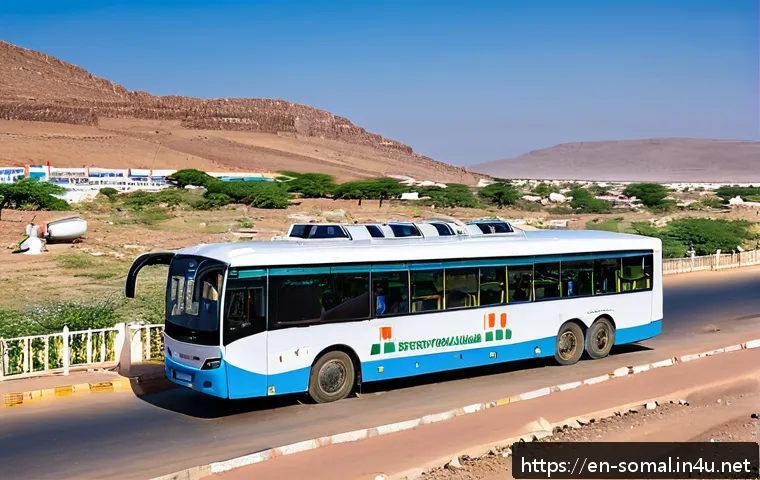
For journeys between cities like Hargeisa, Berbera, and Burao, long-distance buses provide an affordable and reliable choice. These buses tend to be larger, more comfortable, and sometimes air-conditioned, depending on the operator.
I noticed ticket prices vary with the quality of the bus and season, so booking in advance during holidays is wise. These buses depart from central terminals, so arriving early helps secure a good seat.
The rides offer a glimpse of Somaliland’s stunning landscapes, from rugged mountains to coastal views.
Hiring Private Cars or Taxis
Private car hires or taxis can be arranged for more flexibility and comfort, especially if traveling with a group or carrying luggage. These can be booked through hotels or local agencies and usually come with a driver familiar with routes and road conditions.
While pricier than public options, the convenience is worth it for many travelers I met. Negotiating the price upfront and clarifying whether fuel and tolls are included avoids surprises.
It’s also smart to ask for recommendations on trustworthy drivers from locals or accommodation hosts.
Road Conditions and Travel Time Expectations
Road quality between cities varies widely. Some highways are paved and well-maintained, while others are rough gravel or dirt roads. This impacts travel times significantly, so it’s best to factor in extra hours for journeys.
For example, a trip from Hargeisa to Berbera might take around 2 to 3 hours depending on road conditions and weather. I found that early morning departures help avoid the heat and occasional afternoon showers, which can make unpaved roads slippery.
Always check recent travel updates with locals before setting out.
Navigating Payment and Safety Practices
Currency and Fare Payment
The Somaliland shilling (SLSH) is the standard currency for all public transport fares. While some drivers and conductors accept US dollars, especially for longer trips or private hires, having local currency is essential for small payments and tipping.
When paying, handing over exact change or close to it is appreciated and speeds up boarding. I carry a small pouch with neatly organized bills specifically for transport fares, which locals find practical and respectful.
Common Safety Tips for Travelers
Public transport in Somaliland is generally safe, but it’s wise to stay alert, especially in crowded areas. Keep your valuables close and avoid flashing expensive gadgets or large amounts of cash.
Traveling during daylight hours is recommended, as night transport options are limited and less secure. If you feel uncomfortable, trust your gut and seek assistance from nearby vendors or locals.
I also suggest downloading offline maps and having emergency contacts handy to stay oriented and connected.
Understanding Local Etiquette and Communication
Being polite and respectful goes a long way in Somaliland’s transport scene. Greet drivers and conductors with a smile and a simple “Iska warran” (meaning “How are you?”) to build rapport.
Using basic Somali phrases or even a few English words combined with gestures helps break the ice. Locals appreciate when foreigners try to engage, making your travel experience friendlier and smoother.
I found that a friendly attitude often led to helpful advice and even offers of rides when I was stuck.
Comparing Transport Options: Quick Overview
| Transport Mode | Typical Fare | Best For | Advantages | Considerations |
|---|---|---|---|---|
| Shared Minibus (Dala-Dala) | $0.20 – $0.50 | Short to medium urban trips | Affordable, frequent stops, local vibe | Can be crowded, limited comfort |
| Boda-Boda (Motorcycle Taxi) | $0.50 – $2.00 | Short trips, quick errands | Fast, flexible routes | Safety risks, price negotiation needed |
| Long-Distance Bus | $5 – $15 | Intercity travel | Comfortable, scenic views | Variable schedules, road conditions affect time |
| Private Car Hire | $30 and up | Group travel, luggage, convenience | Flexible, comfortable, personalized | More expensive, requires negotiation |
Tips for First-Time Travelers to Navigate Public Transport
Planning Your Routes in Advance
Before setting out, do a bit of research on the main transport hubs and typical routes in your destination city. I often use a mix of offline maps and conversations with hotel staff to get a clear picture.
Knowing which dala-dala or boda-boda to take can save a lot of time and confusion. If you’re staying longer in one place, learning key landmarks and asking locals regularly helps build confidence and independence.
Staying Patient and Flexible
Transport in Somaliland doesn’t always run like clockwork. Delays, detours, or full vehicles happen frequently, so flexibility is your best friend. During one trip, I waited over an hour for a bus to fill up, but chatting with fellow passengers turned the wait into a memorable cultural exchange.
Embracing these moments instead of stressing out transforms your journey into an authentic experience.
Building Connections with Locals
I can’t stress enough how much locals enhance the travel experience. Being open and friendly often leads to invitations for tea, shared rides, or insider tips on hidden gems.
When negotiating fares or asking for directions, a warm smile and respectful tone make a big difference. Don’t hesitate to engage in light conversation—it’s a great way to learn more about Somaliland’s rich culture while navigating its transport system.
In Conclusion
Traveling around Somaliland using shared minibuses, boda-bodas, and other transport options offers a unique glimpse into the local way of life. While it may seem unfamiliar at first, embracing the flexibility and engaging with locals enriches the journey. With some preparation and patience, navigating these transport modes can become an enjoyable and authentic part of your adventure.
Helpful Information to Remember
1. Always carry small bills or coins for quick and smooth fare payments on minibuses and boda-bodas.
2. Prioritize safety by wearing helmets on boda-bodas and avoiding travel during nighttime or poorly lit areas.
3. Learn a few basic Somali greetings to build rapport with drivers and locals, making your experience friendlier.
4. Plan your routes ahead but remain flexible to accommodate delays or changes common in local transport.
5. Engage with fellow passengers and locals—they often provide valuable tips and turn waiting times into memorable cultural moments.
Key Takeaways
Understanding the informal nature of Somaliland’s public transport is essential for a smooth experience. Always communicate clearly with drivers and conductors, and respect local customs to foster goodwill. Safety should never be compromised—choose reputable transport options and trust your instincts. Being patient and open-minded transforms travel challenges into opportunities for meaningful connections and authentic discoveries.
Frequently Asked Questions (FAQ) 📖
Q: uestions about Public Transport in SomalilandQ1: What types of public transportation are commonly available in Somaliland?
A: In Somaliland, the most common modes of public transport include shared minibuses, taxis, and boda-bodas (motorcycle taxis). Shared minibuses are popular for traveling between cities and within larger towns, offering an affordable way to get around.
Boda-bodas are ideal for short trips or navigating through traffic in busy urban areas. Taxis exist but may not be metered, so it’s wise to agree on a fare beforehand.
From my experience, using minibuses is a great way to meet locals and get a feel for the pace of life, while boda-bodas are perfect when you’re in a hurry or want a more flexible ride.
Q: How should I prepare for negotiating fares with boda-boda or taxi drivers?
A: Negotiating fares in Somaliland is a normal part of using public transport. Drivers rarely use fixed meters, so it’s best to ask locals about typical prices or check with your accommodation before you ride.
When negotiating, stay polite but firm, and don’t hesitate to walk away if the price feels unreasonable. I found that having some small bills in the local currency (Somaliland shillings or sometimes US dollars) makes payment smoother.
Also, showing friendliness and a smile often helps drivers offer fairer rates. Remember, patience and a bit of local language like “mahadsanid” (thank you) can go a long way.
Q: Are public transport vehicles in Somaliland generally safe and reliable?
A: Safety standards in Somaliland’s public transport vary, but overall, I felt comfortable using minibuses and boda-bodas, especially during daylight hours.
Vehicles are often older models, so rides can be bumpy, and road conditions vary by route. It’s wise to avoid traveling late at night and always keep an eye on your belongings.
From what I experienced, sticking to well-traveled routes and reputable drivers recommended by locals or guesthouses increased my sense of security. Also, infrastructure improvements mean roads are getting better, which is a promising sign for future travel comfort and safety.