In recent years, Somaliland’s rich literary tradition has begun capturing global attention, revealing a vibrant tapestry of poets and storytellers whose voices echo resilience and identity.
As cultural narratives gain momentum, exploring this unique literary landscape offers a fresh perspective on a region often overlooked. Join me as we delve into the compelling stories and powerful verses that shape Somaliland’s cultural heartbeat, uncovering the artistry that connects past and present in extraordinary ways.
This journey promises to deepen our appreciation for the unspoken voices shaping today’s literary world.
The Pulse of Oral Tradition in Somaliland
Echoes of the Past in Modern Voices
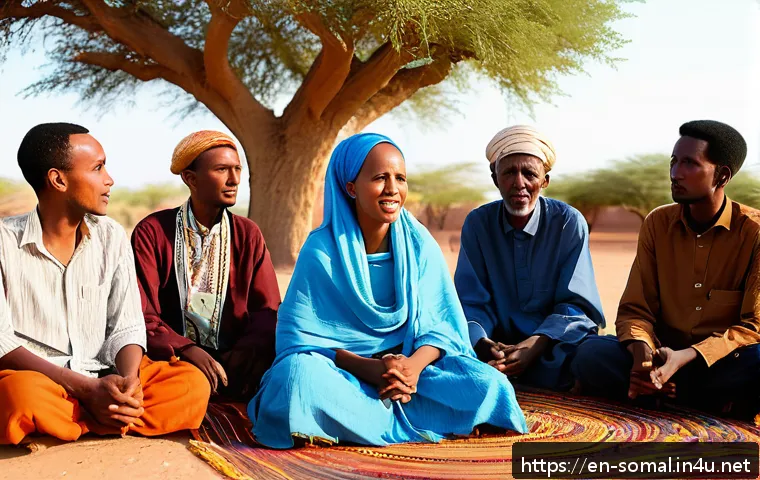
The oral tradition remains the backbone of storytelling in Somaliland, weaving a continuous thread from ancient times to today’s vibrant expressions. What fascinates me most is how these oral narratives don’t just preserve history but actively shape identity and community bonds.
When I attended a local poetry gathering, I was struck by how the elders’ stories, rich with metaphor and historical allusions, seamlessly blended with younger poets’ contemporary themes.
This dynamic interaction between generations highlights a living, breathing tradition that evolves without losing its roots. It’s like witnessing history being rewritten and reinterpreted in real time, which deepens my respect for the resilience embedded in these narratives.
Performance as a Living Art Form
One of the most captivating aspects is the performative nature of storytelling and poetry in Somaliland. Unlike the written word, performances are immersive, involving gestures, intonation, and audience participation that create a shared emotional experience.
I vividly remember a night under the stars where poets recited verses that spoke of exile, hope, and homeland, making the entire audience feel connected to those distant lands and memories.
This experience showed me that in Somaliland, poetry is not just an art; it is a communal ritual that strengthens social ties and preserves collective memory.
Guardians of Language and Culture
Poets and storytellers serve as custodians of the Somali language, especially in a world where globalization threatens linguistic diversity. Their dedication to linguistic precision and creative expression ensures the survival of unique dialects and idioms.
From what I’ve observed, their work often carries a dual mission: to entertain and to educate younger generations about cultural values and history. This role, I believe, is critical in maintaining a strong cultural identity amid external influences and rapid change.
Exploring Themes of Identity and Resistance
Voices Against Erasure
A recurring theme in Somaliland’s literary output is resistance—against political marginalization, cultural erasure, and historical neglect. Many poets express a fierce pride in their homeland, using their words as weapons to assert sovereignty and dignity.
I’ve read several poems where the intensity of emotion is palpable; these are not mere artistic exercises but urgent calls for recognition and justice.
The power of these poems lies in their ability to resonate with both local audiences and the diaspora, forging a sense of unity and shared struggle.
Intertwining Personal and Collective Narratives
Another striking feature is how personal experiences are woven into broader social and political contexts. Poets often narrate their individual stories of displacement, longing, or hope, which simultaneously reflect the collective experience of Somaliland’s people.
This dual narrative approach creates a complex tapestry that invites readers to engage emotionally and intellectually. From my perspective, this blend of the personal and political enriches the literature, making it deeply relatable yet profoundly significant.
Women’s Emerging Voices
The rise of female poets and storytellers is a powerful development in Somaliland’s literary scene. Their work challenges traditional gender roles and introduces fresh perspectives on identity, family, and society.
I recall reading a moving poem by a young woman that addressed the tension between tradition and modernity with such honesty and courage that it stayed with me long after.
These voices add layers of nuance and diversity, highlighting issues often overlooked and expanding the cultural conversation in meaningful ways.
Language as a Canvas for Cultural Expression
The Beauty of Somali Poetry’s Structure
Somali poetry is renowned for its intricate meter and rhyme schemes, which can be daunting for outsiders but mesmerizing once understood. The technical mastery displayed by poets is something I deeply admire.
It’s not just about rhyme but also rhythm, alliteration, and metaphor that create a musicality unique to Somali verse. Experiencing a live recitation, I was amazed at how these elements combined to produce a hypnotic effect, captivating listeners and drawing them into the poem’s emotional world.
Code-Switching and Linguistic Innovation
Many contemporary poets skillfully blend Somali with Arabic, English, and other languages, reflecting Somaliland’s diverse linguistic landscape. This code-switching adds layers of meaning and accessibility, particularly for younger audiences and diaspora communities.
Having encountered such poems, I find that this linguistic interplay enriches the text, allowing poets to navigate different cultural registers and address multiple audiences simultaneously.
It’s a testament to the adaptability and creativity of Somaliland’s literary tradition.
Preserving Oral Forms in Written Works
While much of Somaliland’s literature is oral, there is a growing trend to document these works in writing. This transition poses challenges in capturing the performative essence and linguistic nuances on paper.
However, I’ve seen some remarkable anthologies that manage to preserve the spirit of oral poetry through careful transcription and annotation. These efforts not only safeguard cultural heritage but also introduce Somali literary art to global readers, expanding its reach and influence.
Intersections of Literature and Social Change
Literature as a Catalyst for Dialogue
In Somaliland, literature often serves as a forum for addressing social issues like peace, reconciliation, and development. Poets and writers use their platforms to spark conversations that might otherwise be difficult in public spaces.
I’ve witnessed poetry readings where topics such as clan divisions or youth unemployment were tackled with honesty and sensitivity, opening pathways for understanding and healing.
This role of literature as a social catalyst is something I find inspiring and essential.
Engaging the Diaspora Community
The Somaliland diaspora plays a crucial role in sustaining and promoting the region’s literary culture. Many writers living abroad maintain strong ties to their homeland through their work, reflecting on themes of exile, identity, and belonging.
From what I’ve gathered, this transnational literary dialogue enriches the cultural fabric and helps keep Somaliland’s stories alive across continents.
Their contributions also bring international attention to local issues, broadening the impact of the literature.
Youth Empowerment through Literary Arts
There is a vibrant movement among Somaliland’s youth to embrace poetry and storytelling as tools for self-expression and empowerment. I’ve met young poets who use social media platforms to share their work, creating communities that celebrate creativity and cultural pride.
This digital engagement not only revitalizes traditional forms but also introduces them to new audiences worldwide. It’s exciting to see how literature continues to evolve and inspire future generations.
Mapping Key Literary Figures and Movements
Legendary Poets Who Shaped the Landscape
Somaliland’s literary heritage is anchored by towering figures whose contributions have defined poetic traditions for decades. These poets are revered not only for their artistic excellence but also for their roles as cultural leaders and historians.
Their works often explore themes of nationalism, spirituality, and social justice, offering profound insights into Somaliland’s collective psyche. Learning about their lives and legacies has deepened my appreciation for the depth and complexity of this literary world.
Contemporary Innovators and Trailblazers
The current generation of poets and writers is pushing boundaries and experimenting with new forms and themes. They blend traditional motifs with global influences, creating a dynamic literary environment.
I find it fascinating how these innovators navigate the tension between preserving heritage and embracing modernity. Their willingness to explore taboo subjects and diverse genres speaks to a vibrant, evolving culture that refuses to be static.
Literary Festivals and Cultural Gatherings
Events celebrating Somaliland’s literary arts play a crucial role in fostering community and showcasing talent. Poetry slams, book fairs, and storytelling nights provide platforms for both established and emerging voices.
Attending one such festival, I was struck by the palpable energy and enthusiasm that filled the air—an atmosphere where art and activism blend seamlessly.
These gatherings are not just cultural celebrations but also vital spaces for dialogue and creative exchange.
Challenges and Opportunities in Promoting Somaliland’s Literature
Barriers to Global Recognition
Despite its richness, Somaliland’s literary tradition faces obstacles in gaining widespread international recognition. Limited publishing infrastructure, language barriers, and political marginalization contribute to this challenge.
I’ve encountered many talented poets whose work remains confined to local audiences, which is a real loss for global literature. Addressing these issues requires concerted efforts from cultural institutions, governments, and the diaspora to build bridges and amplify these voices.
The Role of Technology and Digital Media
On a positive note, technology offers unprecedented opportunities to share Somaliland’s literature beyond its borders. Social media, online magazines, and digital archives help preserve and promote works that might otherwise be lost.
From what I’ve observed, younger generations are particularly adept at leveraging these tools to create vibrant literary communities online. This digital shift not only democratizes access but also encourages cross-cultural exchanges that enrich the literary landscape.
Building Sustainable Literary Ecosystems
For Somaliland’s literature to thrive, there needs to be investment in education, publishing, and cultural infrastructure. I’ve noticed growing interest in literary workshops, translation projects, and collaborative initiatives that aim to nurture talent and broaden readership.
Creating sustainable ecosystems means supporting writers financially and institutionally, enabling them to focus on their craft. This vision excites me because it promises a future where Somaliland’s literary brilliance can shine on the world stage.
Essential Elements Defining Somaliland’s Literary Identity
Interplay of Tradition and Innovation
A defining characteristic of Somaliland’s literature is its seamless blend of age-old traditions with contemporary creativity. This fusion allows poets and storytellers to honor their heritage while addressing modern realities.
I’ve personally experienced how this interplay enriches the reading experience, offering layers of meaning that speak to diverse audiences. It’s a delicate balance that keeps the literature fresh and relevant without losing its soul.
Community-Centered Storytelling
At the heart of the literary culture is a profound sense of community. Stories and poems are not solitary expressions but collective experiences that reinforce social values and identities.
When I joined a storytelling circle, the sense of belonging and shared history was palpable, making me realize how literature functions as a social glue.
This communal aspect is vital in understanding why Somaliland’s literary tradition remains so resilient and vibrant.
Resilience and Hope as Recurring Motifs
Themes of resilience, survival, and hope are woven throughout Somaliland’s literary works, reflecting the region’s complex history and aspirations. These motifs resonate deeply with readers, offering both catharsis and inspiration.
Having read numerous poems that celebrate endurance in the face of adversity, I find this spirit uplifting and a powerful reminder of literature’s role in healing and empowerment.
| Aspect | Description | Impact on Literature |
|---|---|---|
| Oral Tradition | Storytelling passed down through generations using poetry and performance | Preserves history, culture, and language; creates communal engagement |
| Language Use | Somali language with influences from Arabic and English | Enhances richness and accessibility; reflects cultural hybridity |
| Themes | Identity, resistance, diaspora, hope, and social issues | Connects personal and collective narratives; drives social change |
| Performative Aspect | Poetry and stories performed with musicality and audience interaction | Creates immersive experiences; strengthens emotional impact |
| Modern Platforms | Digital media, social networks, literary festivals | Expands reach globally; encourages youth participation and innovation |
| Challenges | Limited publishing, language barriers, political marginalization | Restricts global recognition; necessitates support and infrastructure |
In Conclusion
The rich oral and literary traditions of Somaliland serve as a powerful testament to the resilience and creativity of its people. These stories and poems not only preserve cultural heritage but actively engage communities in shaping their identities and futures. Witnessing this living tradition has shown me the profound impact literature can have in connecting generations and inspiring social change. Somaliland’s literary landscape is vibrant, evolving, and deeply rooted in collective memory.
Useful Information to Know
1. Oral storytelling in Somaliland is a dynamic practice that blends history, poetry, and performance to build community bonds and preserve culture.
2. Somali poetry’s complex rhythms and linguistic creativity make it a unique art form that captivates audiences and reflects cultural diversity.
3. Contemporary poets often address themes of identity, resistance, and diaspora, creating a powerful dialogue between personal and collective experiences.
4. Digital platforms and literary festivals are expanding the reach of Somaliland’s literature, engaging youth and diaspora communities worldwide.
5. Challenges like limited publishing infrastructure and language barriers remain, but growing efforts aim to support and promote Somaliland’s literary heritage globally.
Key Takeaways
Somaliland’s literature thrives through the interplay of tradition and innovation, emphasizing community-centered storytelling and resilience. The performative nature of its oral tradition enriches cultural expression, while emerging voices, especially women and youth, bring fresh perspectives. Although global recognition faces obstacles, technology and dedicated cultural initiatives offer promising opportunities for growth. Ultimately, Somaliland’s literary identity is defined by its ability to preserve heritage while embracing change and inspiring hope.
Frequently Asked Questions (FAQ) 📖
Q: uestions about Somaliland’s Literary TraditionQ1: What makes Somaliland’s literary tradition unique compared to other
A: frican regions? A1: Somaliland’s literary tradition stands out due to its deep oral roots, where poetry and storytelling have been vital in preserving history, culture, and identity.
Unlike many regions that rely heavily on written texts, Somaliland’s poets often perform their work aloud, creating a dynamic, communal experience. This oral tradition captures resilience amid challenges, blending ancient themes with contemporary social issues, making it a living, evolving art form that offers fresh insight into the people’s spirit.
Q: How has Somaliland’s literature gained international recognition recently?
A: Over the past few years, increased global interest in diverse voices and underrepresented cultures has spotlighted Somaliland’s rich literary scene. International festivals, translations of poems, and digital platforms have helped amplify these voices beyond regional borders.
Personally, attending a poetry reading streamed online revealed the power of these works to connect with audiences worldwide, highlighting universal themes of identity, struggle, and hope while preserving local nuances.
Q: How can readers outside Somaliland access and appreciate its literary works?
A: Many contemporary poets and storytellers from Somaliland share their work on social media and literary websites, making it accessible globally. Some anthologies and translated collections are also emerging, providing a window into this vibrant culture.
For those curious, starting with online recordings or interviews with poets offers a more immersive experience, as the oral delivery adds emotional depth that’s sometimes lost in print.
Engaging with these resources helps build a meaningful connection to Somaliland’s literary heartbeat.