In recent years, Somaliland has been quietly making strides in agricultural development, with potato cultivation emerging as a promising game-changer.
As global food security challenges intensify, local efforts to boost potato production are not only creating new economic opportunities but also strengthening the region’s resilience.
This shift towards homegrown crops is transforming livelihoods and offering a fresh path to sustainability. Join me as we explore how unlocking Somaliland’s potato potential could redefine its future, blending tradition with innovation for lasting impact.
Emerging Farming Practices Shaping Potato Cultivation
Adoption of Modern Techniques
Farmers in Somaliland are increasingly embracing modern agricultural practices to maximize potato yields. Unlike traditional methods that relied heavily on manual labor and rudimentary tools, new techniques incorporate irrigation systems, improved seed varieties, and crop rotation strategies.
From my conversations with local farmers, I learned that drip irrigation, though initially expensive, has significantly enhanced water efficiency and reduced crop failure during dry spells.
These innovations not only boost productivity but also help conserve scarce water resources, which is critical in this arid region.
Community-Driven Knowledge Sharing
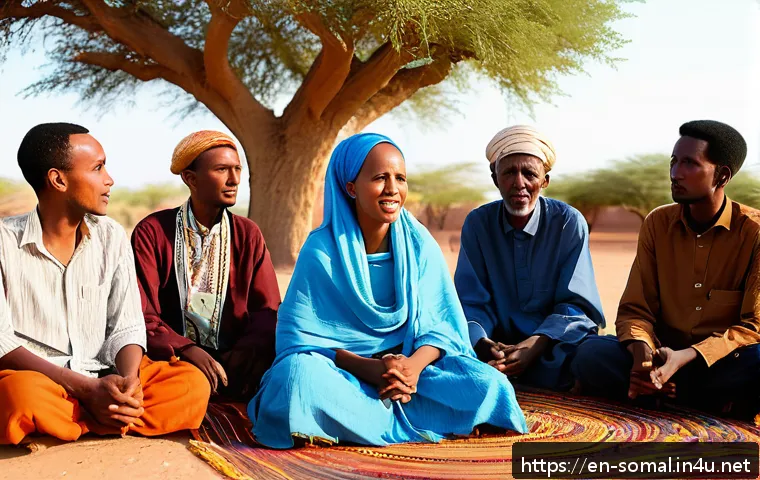
What’s truly inspiring is the way communities come together to share insights and resources. Informal farmer groups often organize workshops where successful growers demonstrate best practices, such as pest control using organic methods or optimal planting schedules.
I witnessed one such gathering where farmers exchanged tips on soil preparation and disease management. This grassroots approach accelerates learning and fosters resilience, as farmers collectively troubleshoot challenges instead of working in isolation.
Integration of Technology and Data
Technology is slowly finding its way into Somaliland’s fields, with mobile apps and SMS services providing weather forecasts and market prices. This digital integration helps farmers make informed decisions about when to plant or harvest and where to sell their crops for the best profit.
While coverage remains spotty, those who access these tools report feeling more confident and less vulnerable to market fluctuations. The blend of traditional knowledge and digital innovation is carving a new path for agriculture here.
Economic Ripple Effects of Potato Farming Expansion
Boosting Local Markets and Income
Potato cultivation is turning into a viable income source for many households. Smallholder farmers I spoke with shared how selling surplus potatoes at local markets supplements their earnings and helps cover school fees or medical expenses.
This shift from subsistence to market-oriented farming is gradually strengthening the local economy. Moreover, traders and transporters benefit from increased activity, creating a ripple effect that extends beyond just the growers.
Employment Opportunities Beyond Farming
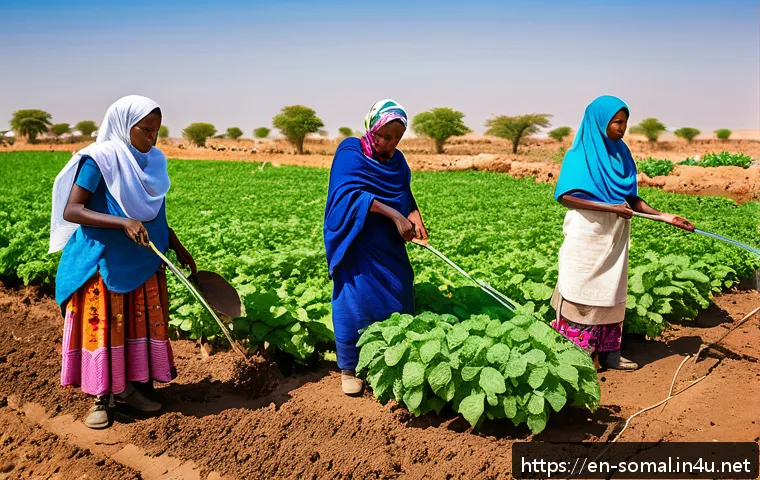
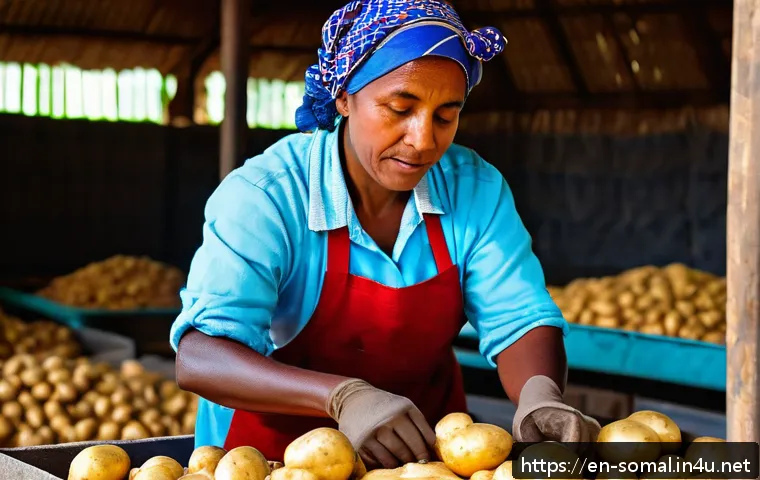
The potato value chain is creating jobs not only in farming but also in packaging, storage, and distribution. I observed several women involved in sorting and preparing potatoes for sale, highlighting how the industry promotes gender inclusion.
Additionally, the demand for transport services to nearby towns and cross-border markets has generated more driving and logistics roles. This diversification of employment options is vital in an area where formal job opportunities are limited.
Challenges in Market Access
Despite the positive momentum, access to larger markets remains a hurdle. Poor infrastructure and limited cold storage facilities mean that many farmers must sell their produce quickly at lower prices to avoid spoilage.
Some entrepreneurs are exploring cooperative models to pool resources and improve bargaining power, but these initiatives are still in early stages. Addressing these constraints will be crucial for sustaining and scaling the economic benefits of potato farming.
Soil and Climate Factors Favoring Potato Growth
Understanding Soil Characteristics
The soils in many parts of Somaliland are sandy loams with good drainage, which suits potato cultivation well. However, nutrient depletion is a concern due to repeated planting without adequate fertilization.
Farmers I visited often use compost and natural amendments to enrich their fields, sometimes combining animal manure with plant residues. This organic approach helps maintain soil health and supports sustainable production cycles, although it requires more labor and knowledge.
Climate Adaptability of Potatoes
Potatoes are surprisingly resilient to Somaliland’s climatic variability, thriving in cooler highland areas and tolerating some drought when properly managed.
I noticed farmers timing their planting to coincide with the rainy season, maximizing water availability. Nevertheless, unpredictable weather patterns linked to climate change pose risks, prompting some to experiment with drought-resistant potato varieties.
This adaptability makes potatoes a strategic crop amid changing environmental conditions.
Water Management Innovations
Given the scarcity of water, efficient irrigation is a game changer. Besides drip systems, rainwater harvesting and small-scale reservoirs are gaining popularity.
These methods allow farmers to store and use water judiciously during dry spells. One farmer I met proudly showed me his rainwater tank, explaining how it extends the growing season and protects his crop from drought damage.
Such innovations reflect a growing awareness of resource conservation in agriculture.
Social Impacts of Growing Potato Production
Empowering Women and Youth
Potato farming is opening doors for women and young people to engage in productive work and earn income. Women’s groups often lead seed multiplication and marketing efforts, providing them with financial independence and stronger community roles.
Youth involvement is also rising, with some young entrepreneurs using social media to connect with buyers and share farming tips. This social inclusion fosters a sense of ownership and optimism for the future.
Strengthening Food Security and Nutrition
Increased potato production contributes directly to food security by diversifying diets and reducing reliance on imported staples. Families can now access a nutrient-rich tuber that provides carbohydrates, vitamins, and minerals.
I was told by several households that their children’s health improved after incorporating potatoes regularly into meals. This nutritional benefit, combined with economic gains, makes potato cultivation a win-win for local communities.
Preserving Cultural Agricultural Practices
Despite modern influences, many farmers maintain traditional practices such as seed saving and intercropping potatoes with other crops like maize or beans.
This blend of old and new preserves cultural heritage while enhancing biodiversity and soil fertility. Farmers often recount stories passed down through generations about planting cycles and harvest rituals, underscoring the deep connection between agriculture and identity.
Infrastructure and Support Systems Enabling Growth
Role of Agricultural Extension Services
Extension agents play a pivotal role in disseminating knowledge about potato farming. They provide training on pest control, disease management, and post-harvest handling.
From what I gathered, these services are more accessible in areas closer to urban centers, but remote farmers often miss out. Strengthening outreach and equipping agents with resources could bridge this gap and improve overall productivity.
Investment in Storage and Processing Facilities
The lack of adequate storage facilities limits farmers’ ability to keep potatoes fresh and sell them at better prices. Some initiatives are underway to build cold storage units and simple processing plants that can produce chips or flour.
These facilities not only reduce waste but also add value to the crop, creating new business opportunities. Encouraging private sector participation here could accelerate development.
Access to Finance and Inputs
Financing remains a major bottleneck for many farmers who need capital to buy quality seed, fertilizers, or irrigation equipment. Microfinance institutions and NGOs are experimenting with loan schemes tailored to smallholder needs.
During my visit, a farmer shared how a small loan helped him purchase improved seed, leading to a harvest that doubled his income. Expanding such financial support is essential for scaling potato cultivation.
Comparative Overview of Key Potato Production Factors in Somaliland
| Factor | Current Status | Opportunities | Challenges |
|---|---|---|---|
| Soil Quality | Sandy loam, moderate fertility | Use of organic fertilizers to improve health | Nutrient depletion from continuous cropping |
| Water Availability | Scarce, seasonal rainfall | Drip irrigation and rainwater harvesting | High cost and limited infrastructure |
| Market Access | Local markets dominant | Cooperatives to improve bargaining power | Poor roads, lack of cold storage |
| Technology Use | Limited but growing | Mobile apps for weather and pricing info | Spotty network coverage |
| Labor & Employment | Family labor, some hired help | Value chain job creation for women/youth | Seasonal employment instability |
Future Prospects and Innovation Pathways
Breeding and Seed Improvement
Ongoing research aims to develop potato varieties better suited to Somaliland’s conditions, focusing on drought tolerance and pest resistance. Farmers eagerly await access to these improved seeds, which promise higher yields and reduced losses.
Partnerships with international agricultural institutes are fostering knowledge exchange and technical support, paving the way for sustained productivity gains.
Expanding Market Linkages
Efforts to connect farmers with regional and export markets could transform the economic landscape. I spoke with exporters exploring cross-border trade opportunities, which would open up new revenue streams.
Digital platforms facilitating direct sales to urban consumers are also emerging, helping reduce intermediaries and improve prices for growers.
Promoting Sustainable Practices
Sustainability is becoming a core focus, with training programs emphasizing soil conservation, integrated pest management, and climate-smart agriculture.
Farmers are beginning to appreciate how these practices protect their land and livelihoods for the long term. My impression is that this cultural shift towards sustainability will be a key factor in ensuring that potato farming continues to thrive in the face of environmental challenges.
In Conclusion
Potato cultivation in Somaliland is evolving through a blend of modern techniques and traditional wisdom, creating promising opportunities for farmers and communities alike. The integration of technology, sustainable practices, and market development is paving the way for increased productivity and economic growth. While challenges remain, the dedication of local stakeholders signals a bright future for this vital crop.
Useful Information to Keep in Mind
1. Modern irrigation methods like drip systems greatly improve water efficiency and crop survival in arid regions.
2. Community knowledge sharing strengthens resilience and accelerates adoption of best farming practices.
3. Access to technology, even basic mobile services, empowers farmers with critical weather and market data.
4. Potato farming creates diverse employment opportunities beyond planting, especially benefiting women and youth.
5. Addressing infrastructure gaps such as storage and market access is essential to maximize economic benefits.
Key Takeaways
Potato farming in Somaliland holds significant potential due to favorable soil and climate conditions, combined with emerging innovations in water management and seed improvement. Community collaboration and technology use enhance productivity and market integration, yet challenges like limited infrastructure and financing remain. Prioritizing sustainable practices and expanding support systems will be crucial to sustaining growth and improving livelihoods across the region.
Frequently Asked Questions (FAQ) 📖
Q: Why is potato cultivation considered a game-changer for Somaliland’s agricultural development?
A: Potato cultivation offers a high-yield, nutrient-rich crop that adapts well to Somaliland’s climate and soil conditions. Unlike some traditional crops, potatoes mature quickly and can be harvested multiple times a year, which helps farmers generate income more steadily.
This shift not only diversifies food sources but also reduces reliance on imported staples, boosting food security. From what I’ve seen and heard from local farmers, embracing potatoes has sparked new enthusiasm in agriculture, turning small plots into profitable ventures and encouraging innovation in farming practices.
Q: How does increased potato production contribute to Somaliland’s economic growth and resilience?
A: Growing more potatoes locally creates fresh economic opportunities by opening markets for both domestic consumption and export. It helps farmers increase their earnings, supports local businesses like seed suppliers and transport services, and reduces import costs.
This chain reaction strengthens the economy and builds resilience against global food supply disruptions. Personally, I’ve observed that communities involved in potato farming become less vulnerable to price shocks and climate variability, as this crop provides a reliable income and food source, making livelihoods more stable and sustainable.
Q: What challenges does Somaliland face in scaling up potato cultivation, and how can they be addressed?
A: Despite its promise, potato farming in Somaliland faces hurdles such as limited access to quality seeds, inadequate irrigation infrastructure, and a need for better farming knowledge and technology.
Additionally, post-harvest storage and market access remain concerns. From discussions with agricultural experts and farmers, solutions include investing in seed research, improving water management systems, offering training programs, and developing supply chains.
When these gaps are addressed, the full potential of potato cultivation can be unlocked, paving the way for long-term agricultural transformation in the region.