Somaliland, an unrecognized yet remarkably stable nation in the Horn of Africa, possesses a surprisingly vibrant economy driven by a few key pillars. Visiting Hargeisa, you immediately feel the pulse of trade, far beyond what news reports might convey.
Its primary exports, especially livestock, form the bedrock, a tradition deeply woven into the very fabric of society. But this nation’s economic resilience also hinges on something less visible, yet equally powerful, like robust remittance flows.
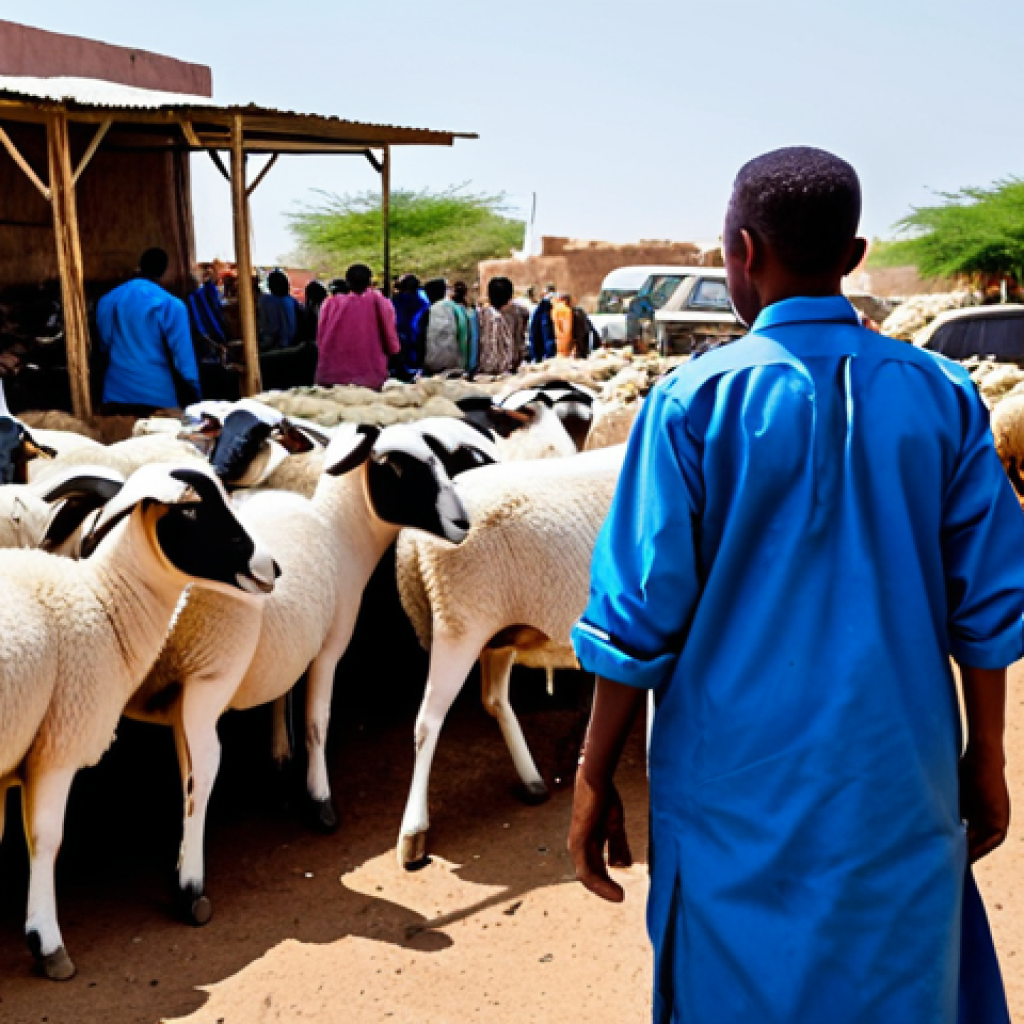
It’s a fascinating blend of ancient practices and modern financial lifelines that truly sets it apart. I remember standing amidst the bustling livestock market, the sheer scale of the sheep, goats, and camels being prepared for export to the Gulf states truly hit me – it’s a colossal operation, the lifeblood for countless families across the region.
Beyond this traditional cornerstone, services like telecommunications have surprisingly flourished, providing essential connectivity and job opportunities, defying conventional expectations for a developing region.
We’re seeing a growing emphasis on digital innovation and efforts to diversify, particularly through the strategic development of the Berbera port, which promises to unlock immense potential for broader regional trade and global logistics.
The global push for sustainable development is also subtly influencing their approach, nudging towards more resilient economic models, although navigating climate change impacts on pastoralism remains a crucial challenge.
This blend of the incredibly traditional with nascent modern aspirations paints a complex, yet incredibly hopeful, economic picture. Let’s dive deeper below.
The Indomitable Backbone: Livestock and Pastoralism
The sheer scale of Somaliland’s livestock trade is something you truly have to witness to comprehend. My memory of the Hargeisa livestock market isn’t just about the scent of dust and animals, but the profound sense of purpose radiating from every corner.
Millions of sheep, goats, and camels are meticulously prepared and shipped, primarily to the Gulf states, especially during Eid al-Adha. This isn’t merely an export business; it’s a centuries-old tradition, a way of life, and the primary source of income for a vast segment of the population.
It struck me, observing the precision with which animals were loaded onto trucks for their journey to Berbera, just how vital this sector is, not just for the national economy but for regional food security too.
The resilience of the pastoralist communities, navigating harsh arid conditions and often fluctuating market demands, is nothing short of incredible. Their deep, intrinsic knowledge of the land and their herds is an expertise honed over generations, a living testament to sustainable, albeit challenging, economic practice.
This foundational pillar provides a stark contrast to many modern economies, showcasing the strength derived from deeply rooted cultural practices.
1. Adapting Ancient Practices to Modern Demands
It’s fascinating to see how these deeply traditional practices are adapting. While the core remains unchanged, there’s a growing awareness of modern veterinary practices, quality control, and even basic branding efforts, especially for higher-value animals.
I remember discussions with local traders who, despite their rustic surroundings, were keenly aware of international market prices and consumer preferences in places like Saudi Arabia and the UAE.
This isn’t just about selling; it’s about understanding supply chains and maintaining a competitive edge in a globalized market, however informal it might seem.
Ensuring Export Quality
- Strict health checks for all exported animals.
- Improved feeding practices to meet market standards.
- Logistical improvements for transport to Berbera Port.
2. The Unseen Challenges of a Pastoralist Economy
Despite its immense importance, this sector faces daunting challenges. Climate change, with its unpredictable drought cycles, is a constant threat, decimating herds and displacing families.
It’s heart-wrenching to see the impact of prolonged dry seasons on these communities who depend entirely on their animals for survival. Furthermore, the lack of formal recognition means limited access to international finance or large-scale development aid for this critical sector, leaving it vulnerable to external shocks and internal vulnerabilities.
There’s an urgent need for more resilient infrastructure and diversified livelihoods within these communities.
Bridging Continents: The Power of Remittances
One of the most profound and perhaps least visible economic drivers in Somaliland is the colossal flow of remittances. Walking through the streets of Hargeisa, you see modern, well-maintained buildings, bustling businesses, and families with access to goods and services that might seem unexpected in an unrecognized state.
Much of this prosperity is directly attributable to the diaspora – Somalilanders living and working abroad, primarily in Europe, North America, and the Gulf states, who send money home to support their families.
It’s a lifeline, really, far more stable and predictable than foreign aid, and it empowers individuals and households directly. I’ve heard countless stories of families building homes, starting small businesses, and putting their children through school, all thanks to the unwavering support from relatives thousands of miles away.
This financial infusion isn’t just about survival; it’s about investing in the future, fostering entrepreneurship, and creating a robust internal market.
1. The Mechanisms of Money Transfer
The efficiency of Somaliland’s money transfer systems, primarily through Hawala networks, is astonishing. These informal yet highly effective systems allow money to be sent and received almost instantaneously, often at very low fees, bypassing traditional banking channels that are often inaccessible or impractical.
From my own experience observing transactions, the trust built into these networks, spanning generations of relationships, is their true strength. It’s a testament to ingenuity and resilience in the face of formal financial exclusion.
Key Remittance Channels
- Hawala networks: Fast, low-cost, trust-based.
- Mobile money platforms: Increasing in popularity for local transfers.
- Informal couriers: For smaller, personal deliveries, though less common for large sums.
2. Impact on Development and Social Fabric
Beyond immediate financial relief, remittances play a crucial role in Somaliland’s overall development. They fund education, healthcare, and provide capital for nascent businesses, often in sectors like retail, construction, and services.
This steady flow of capital has led to significant urban development, particularly in Hargeisa. Moreover, it strengthens social bonds, as families abroad remain deeply connected to their homeland, actively participating in its economic and social progress.
It’s a powerful demonstration of how a decentralized, grassroots economic engine can thrive.
Connecting the Disconnected: Telecommunications and Digital Growth
I remember arriving in Somaliland and being genuinely surprised by the ubiquity of mobile phones and internet access, even in relatively remote areas.
This wasn’t what I’d expected from a nation that struggles for international recognition. Companies like Telesom and Somtel have not just provided basic connectivity; they’ve built comprehensive digital ecosystems that are the envy of many recognized nations in the region.
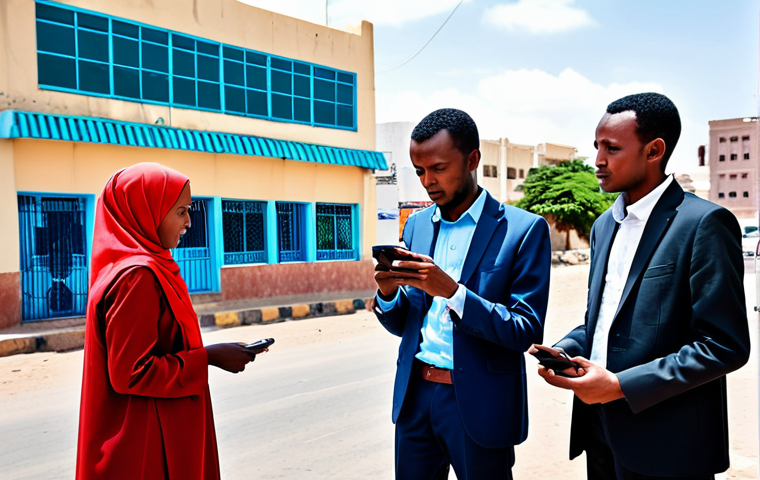
Mobile money is king here; from paying for groceries to sending large sums of money, virtually every transaction seems to happen via mobile phone. It’s a leapfrog development, bypassing traditional banking infrastructure and empowering individuals with financial tools that are incredibly accessible and efficient.
This robust telecommunications sector is a testament to local entrepreneurial spirit and a clear indicator of the potential for innovation when people are given the freedom to build.
It truly transforms daily life and underpins much of the informal economy.
1. The Mobile Money Revolution
The adoption rate of mobile money in Somaliland is astounding, surpassing many developed nations. My own experience showed me that cash is almost unnecessary for daily transactions.
This has profound implications for financial inclusion, allowing even those in rural areas without bank accounts to participate in the formal economy.
It reduces risks associated with carrying cash, streamlines business operations, and provides a digital trail for transactions, however informal. It’s a powerful tool for economic empowerment and transparency, fostering a sense of financial stability for countless individuals and small businesses.
2. Internet Penetration and Future Potential
While mobile money has dominated, internet penetration is steadily increasing, driven by affordable data plans and widespread smartphone use. This opens up avenues for e-commerce, online education, and remote work, though still in their nascent stages.
The potential for further digital innovation, especially in areas like FinTech and digital government services, is immense. Investment in fiber optic infrastructure and reliable broadband could unlock even greater economic opportunities, connecting Somaliland’s talented youth to the global digital economy.
Berbera’s Ascent: Redefining Regional Trade Dynamics
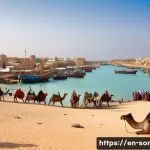
If you want to feel the pulse of Somaliland’s future, spend some time at the Berbera port. It’s more than just a port; it’s a strategic jewel that holds the key to regional trade and potentially, a new era of economic prosperity for the entire Horn of Africa.
The ongoing expansion, significantly backed by DP World, is transforming it into a modern, multi-purpose facility capable of handling vastly increased cargo volumes.
When I visited, the sheer scale of the construction, the constant hum of machinery, and the purposeful activity gave me goosebumps. This isn’t just about Somaliland; it’s about Ethiopia, landlocked and desperately seeking efficient access to international markets.
Berbera offers that vital artery. The development here signifies a conscious move towards diversifying the economy beyond traditional exports and positioning Somaliland as a critical logistics hub for East Africa.
It’s a bold gamble, but one that could genuinely pay off, attracting foreign investment and creating thousands of jobs.
1. Strategic Importance and Ethiopian Link
The Berbera Corridor, connecting the port directly to the Ethiopian border, is a game-changer. Ethiopia’s massive population and growing economy are a perfect match for Berbera’s expanding capacity.
This isn’t just a theoretical connection; trucks are already moving goods along this route, bypassing more congested or politically unstable alternatives.
I’ve spoken with traders who see this as a clear pathway to reducing transit times and costs, which in turn makes their goods more competitive in global markets.
It transforms Somaliland from a peripheral player to a central one in regional logistics.
2. Attracting International Investment
The partnership with DP World isn’t just about building infrastructure; it’s about signaling to the world that Somaliland is open for business and capable of managing large-scale international projects.
This kind of foreign direct investment is crucial for generating employment, transferring skills, and integrating the local economy into global supply chains.
It’s an endorsement of Somaliland’s stability and its long-term economic vision, proving that despite political challenges, commercial opportunities can flourish.
Facing the Winds of Change: Climate Resilience and Diversification
The very same pastoralist traditions that form Somaliland’s economic bedrock are also its most vulnerable to the escalating impacts of climate change.
During my time there, the discussions around unpredictable rainfall patterns and prolonged droughts were constant and deeply felt. It’s a daunting challenge, witnessing how quickly livelihoods can be wiped out when the very environment becomes hostile.
This reality has, understandably, spurred an urgent drive towards economic diversification and building climate resilience. It’s no longer just about optimizing existing sectors; it’s about innovating new ones and safeguarding the population against the inevitable shifts in global weather patterns.
The government and local organizations are keenly aware of this, pushing for strategies that move beyond sole reliance on livestock.
1. Promoting Sustainable Agriculture and Fisheries
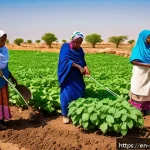
Diversifying food sources and economic activities beyond traditional pastoralism is critical. There’s a growing emphasis on developing sustainable agriculture in areas with arable land and exploring the potential of Somaliland’s extensive coastline for fisheries.
I observed small-scale initiatives where communities were being trained in drought-resistant farming techniques and sustainable fishing practices. These efforts, though modest in scale currently, are vital steps towards building a more resilient and varied economy, ensuring food security and creating alternative income streams for vulnerable populations.
2. Investment in Renewable Energy
Energy independence and sustainability are also becoming significant talking points. Somaliland has abundant solar and wind resources, and there’s a burgeoning interest in harnessing these for clean energy production.
Reducing reliance on imported fossil fuels not only strengthens the economy but also contributes to global efforts against climate change. From what I’ve seen, local entrepreneurs are already looking into small-scale solar solutions for homes and businesses, demonstrating a proactive approach to a global challenge, and it’s truly inspiring to witness this forward-thinking mindset.
| Economic Pillar | Primary Contributions | Key Opportunities | Major Challenges |
|---|---|---|---|
| Livestock & Pastoralism | Main export, rural livelihoods, traditional economy. | Improved quality control, market access diversification. | Climate change (droughts), market fluctuations, lack of formal recognition. |
| Remittances | Significant GDP contributor, private investment, poverty reduction. | Channeling into productive sectors, diaspora engagement. | Over-reliance, potential for informal sector dominance. |
| Telecommunications | Financial inclusion, digital services, job creation. | E-commerce, FinTech innovation, broadband expansion. | Limited internet penetration in rural areas, regulatory framework. |
| Berbera Port | Regional logistics hub, transit trade, foreign investment. | Increased cargo volumes, industrial zone development. | Regional competition, security concerns, political recognition. |
Beyond the Bazaar: Emerging Sectors and Entrepreneurial Spirit
While the traditional pillars are undeniably vital, what genuinely excites me about Somaliland’s economy is the simmering entrepreneurial spirit, particularly among its youth, that’s giving rise to unexpected new sectors.
It’s not just about camels and remittances anymore. I’ve walked through vibrant startup hubs in Hargeisa, bustling with young people creating apps, developing graphic design businesses, and even exploring local manufacturing of consumer goods.
This energy is palpable, a clear indicator that despite the challenges of unrecognized status, the drive to innovate and create is incredibly strong. It speaks volumes about the human capacity to adapt and thrive, even in less-than-ideal circumstances.
These emerging sectors, though small individually, collectively represent a powerful wave of diversification that could fundamentally transform the economy over the next decade.
1. The Rise of Small and Medium Enterprises (SMEs)
SMEs are the lifeblood of any growing economy, and Somaliland is no exception. From small cafes and boutiques to construction companies and logistics firms, these businesses are creating jobs, providing essential services, and retaining wealth within the country.
My conversations with local business owners revealed a tenacious spirit and a pragmatic approach to overcoming obstacles, whether it’s securing initial capital or navigating informal regulations.
They are truly the unsung heroes of Somaliland’s economic story, demonstrating remarkable resilience and ingenuity in building from the ground up.
2. The Creative Economy and Local Innovation
An often-overlooked aspect is the burgeoning creative economy. Young Somalilanders, connected to the world via smartphones, are dabbling in everything from digital content creation to fashion design inspired by local aesthetics.
There’s a quiet revolution happening as these individuals leverage technology and their unique cultural heritage to create new economic opportunities.
While not yet a massive contributor to GDP, this sector reflects a dynamic, forward-looking segment of the population that holds immense potential for future growth and international recognition through cultural exports and digital services.
The Human Element: Skills, Education, and Future Prospects
Any truly robust economy isn’t just about trade figures or infrastructure projects; it’s about its people. And in Somaliland, I’ve found a deep-seated appreciation for education and a strong desire among the populace, especially the youth, to acquire skills that will propel their nation forward.
Despite limited public resources, private universities and vocational training centers are proliferating, testament to the understanding that human capital is the ultimate long-term investment.
It’s heartening to see young men and women pursuing degrees in IT, business administration, and engineering, knowing that they are not just building their own futures but also contributing to the very fabric of their society’s economic resilience.
This commitment to self-improvement and learning is a powerful, underlying force.
1. Investing in Vocational Training
Beyond traditional university degrees, there’s a growing recognition of the importance of practical, vocational skills. Training centers offer courses in welding, mechanics, tailoring, and other trades that are immediately applicable to the local economy.
From my perspective, this pragmatic approach to education is vital for reducing unemployment and ensuring that the workforce has the specific skills needed to support the construction boom, the expanding service sector, and the maintenance of essential infrastructure.
It’s about creating job-ready individuals who can contribute from day one.
2. The Role of the Diaspora in Skill Transfer
The diaspora’s contribution extends beyond remittances; many return with invaluable skills, knowledge, and international networks. I’ve encountered returnees who are starting businesses, teaching at universities, or working in government, bringing back best practices and a global perspective.
This brain gain is crucial for institutional capacity building and for driving innovation across various sectors. It creates a powerful feedback loop where global experience is directly applied to local challenges, fostering a more sophisticated and competitive economy.
Concluding Thoughts
Somaliland’s economic journey is a testament to extraordinary resilience and unwavering entrepreneurial spirit. What I witnessed wasn’t just about economic indicators; it was about a people fiercely determined to build their own future, piece by piece, against formidable odds.
From the ancient rhythms of pastoralism to the modern pulse of mobile money, it’s a dynamic blend of tradition and innovation. This nation, though unrecognized, is forging a path defined by self-reliance, strategic vision, and an unshakeable belief in its own potential.
Useful Information to Know
1. While the Somaliland Shilling (SLS) is the official currency, the US Dollar is widely accepted, particularly for larger transactions and in urban areas. It’s often easier to carry USD for convenience.
2. Mobile money is king here. Services like Zaad and E-Dahab are ubiquitous, used for almost all daily transactions, from buying groceries to paying for taxis. It’s truly a cashless society in many respects.
3. Visitors typically require a visa, which can be obtained upon arrival at Egal International Airport in Hargeisa or from Somaliland representative offices abroad. Always check the latest requirements before travel.
4. Somaliland is remarkably stable and safe for travelers, particularly compared to some neighboring regions. The local population is generally welcoming and hospitable, especially towards those who respect local customs.
5. The economy thrives on strong community ties and trust-based systems, especially within the Hawala networks. Understanding this local reliance on personal relationships can offer insight into their unique economic landscape.
Key Takeaways
Somaliland’s economy is characterized by its self-reliance, leveraging traditional strengths like livestock while embracing digital innovation through mobile money. Strategic infrastructure projects like Berbera Port are reshaping its regional role, and a strong diaspora actively fuels domestic growth. Challenges, primarily climate change and unrecognized status, are met with determined efforts towards diversification and human capital development.
Frequently Asked Questions (FAQ) 📖
Q: How does Somaliland maintain such a remarkably stable and vibrant economy despite its lack of international recognition?
A: You know, it’s something that genuinely astounded me when I was there. It’s not about big foreign aid packages or formal trade agreements propping them up.
Instead, it’s this incredible, almost fierce self-reliance you feel everywhere. The economy is built from the ground up, driven by its own people. Think about it: livestock exports have been a cornerstone for centuries, and that robust trade network with the Gulf states?
It’s deeply ingrained, regardless of recognition. Then you have the diaspora, fiercely loyal to their homeland, pouring in remittances. It’s not just money; it’s a lifeline, directly funding families, local businesses, and even infrastructure.
They’ve found ways to thrive by focusing on what’s tangible and essential, proving that economic vitality can indeed spring from a determined population and shrewd, practical approaches.
Q: The text mentions “robust remittance flows.” Can you elaborate on how critical these are to Somaliland’s economic fabric?
A: Absolutely. It’s one of those less visible, yet utterly indispensable, pillars. When I heard “remittances,” I initially thought of just basic support, but it’s so much more profound than that.
We’re talking about billions of dollars annually, flowing in from Somalilanders living abroad – places like the UK, North America, Scandinavia. This isn’t just pocket money; it’s a constant, reliable injection of capital into nearly every household.
It fuels local consumption, allows families to invest in small businesses, education, and even healthcare. In an environment where traditional foreign investment can be tricky due to the recognition issue, these remittances act as a foundational banking system for the populace, cushioning economic shocks and fostering a level of stability that few unrecognised states could boast.
It really highlights the deep familial and cultural ties that bind the diaspora to their home.
Q: What are the key areas where Somaliland is looking to diversify and build for future economic growth, and what challenges might they face?
A: This is where you really see their forward-thinking ambition. Beyond the traditional livestock trade, I could sense a real push towards what’s next. The development of the Berbera port, for instance, isn’t just about moving goods; it’s a strategic play to become a major logistics hub for the entire Horn of Africa, tapping into a much larger regional market.
It’s an enormous undertaking, a true game-changer. You also see a surprising boom in telecommunications and digital innovation – people are connected, businesses are finding new ways to operate, defying expectations for a developing region.
However, it’s not all smooth sailing. Climate change is a massive, looming challenge, especially for a nation whose bedrock is pastoralism. Those unpredictable rains, the droughts – they directly threaten the very foundation of countless livelihoods.
And of course, attracting large-scale foreign direct investment without formal recognition remains a constant uphill battle. It’s a fascinating dance between seizing modern opportunities and navigating very real, traditional vulnerabilities.
📚 References
Wikipedia Encyclopedia
구글 검색 결과
구글 검색 결과
구글 검색 결과
구글 검색 결과
구글 검색 결과