Stepping into the world of Somaliland’s folk dances is like unlocking a vibrant, living history book. I remember vividly the first time I witnessed the profound energy of the Dhaanto, the rhythmic stomps echoing a story far older than any written record.
It wasn’t just a performance; it was a deeply spiritual connection to the land and its people, a feeling that truly resonated within me. These dances, far from being relics of the past, are incredibly dynamic, constantly evolving yet holding firmly to their ancient roots.
It’s fascinating to observe how, in our increasingly digital world, these rich traditions are finding new life, shared across borders through platforms, sparking global interest and igniting a renewed passion among younger generations who are perhaps rediscovering their heritage online.
The conversation around preserving such cultural treasures for future tourism and academic study has never been more relevant, hinting at a fascinating future where tradition and technology beautifully intertwine.
Let’s unravel the intricate steps and powerful narratives behind each move.
Stepping into the world of Somaliland’s folk dances is like unlocking a vibrant, living history book. I remember vividly the first time I witnessed the profound energy of the Dhaanto, the rhythmic stomps echoing a story far older than any written record.
It wasn’t just a performance; it was a deeply spiritual connection to the land and its people, a feeling that truly resonated within me. These dances, far from being relics of the past, are incredibly dynamic, constantly evolving yet holding firmly to their ancient roots.
It’s fascinating to observe how, in our increasingly digital world, these rich traditions are finding new life, shared across borders through platforms, sparking global interest and igniting a renewed passion among younger generations who are perhaps rediscovering their heritage online.
The conversation around preserving such cultural treasures for future tourism and academic study has never been more relevant, hinting at a fascinating future where tradition and technology beautifully intertwine.
Let’s unravel the intricate steps and powerful narratives behind each move.
The Resounding Echo of Dhaanto: More Than Just Footwork
My journey into Somaliland’s vibrant cultural tapestry truly began with the Dhaanto. It’s not merely a series of steps; it’s a profound narrative expressed through vigorous movement and rhythmic chants.
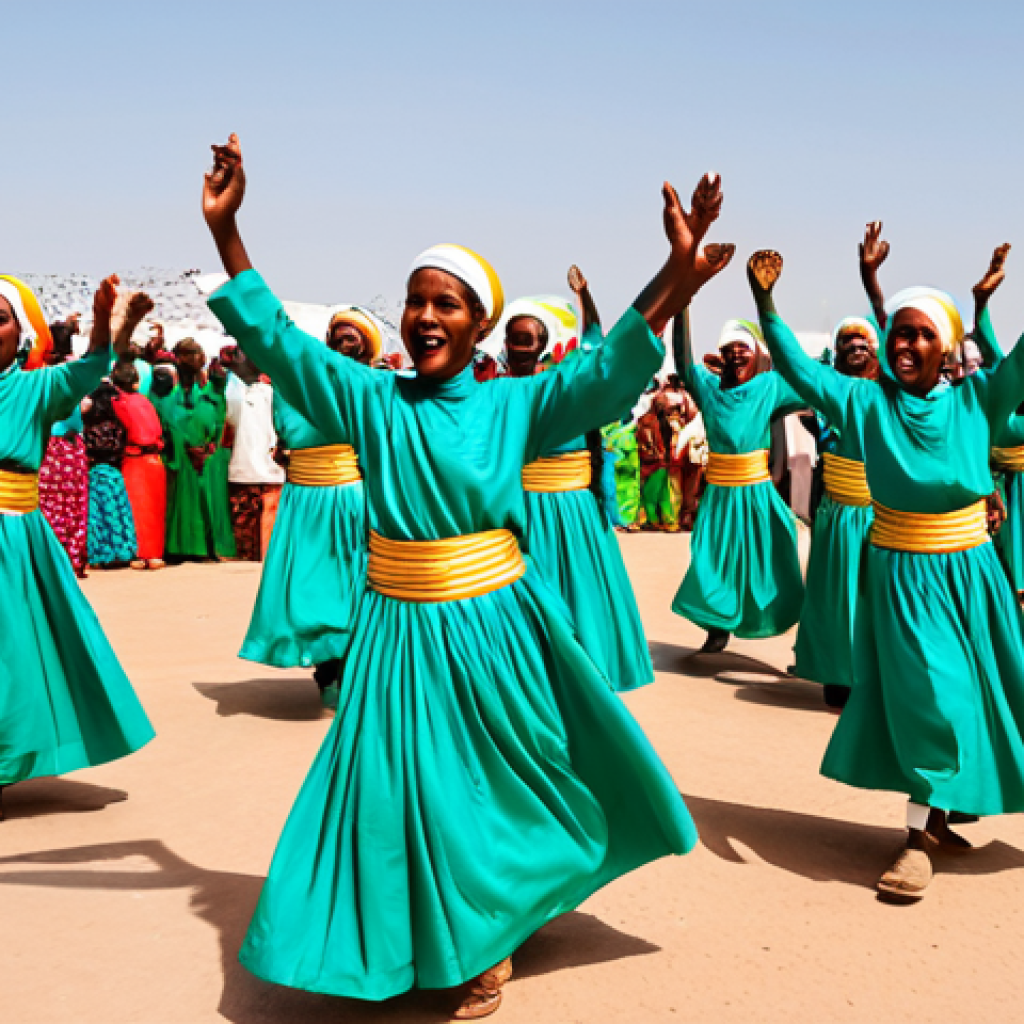
When I first saw it performed, I was immediately struck by the collective energy that pulsed through the air. The dancers, often men and women arranged in lines or circles, move with an incredible synchronicity, their feet pounding the ground in a powerful, almost percussive beat.
This isn’t just about entertainment; it’s a deep-seated expression of national identity and historical resilience. The songs accompanying the Dhaanto often recount heroic tales, express social commentary, or celebrate major community events.
I’ve heard stories passed down through generations within the lyrics, narratives of nomadic journeys, battles fought, and peace forged. The sheer raw emotion, the sweat on their brows, and the unbridled joy on their faces as they connect with these ancient rhythms truly moved me.
It felt like I was witnessing a living, breathing history lesson, a vibrant testament to a people’s enduring spirit. The experience left an indelible mark on my understanding of how culture truly binds a community.
The Historical Pulse of Somaliland’s Heritage
The Dhaanto, as I learned from local elders during my travels, has roots that stretch back centuries, evolving from the nomadic lifestyle that defined much of Somaliland’s past.
It was originally a dance performed around campfires after long journeys, a way for communities to bond, share stories, and celebrate their resilience in harsh environments.
I heard fascinating anecdotes about how the rhythmic stomping could mimic the sound of camels walking or the beating of a warrior’s heart, connecting the dancers directly to their ancestral way of life.
The dance’s very structure, with its call-and-response patterns and collective participation, reflects the communal values deeply embedded in Somali culture.
It’s a powerful reminder that history isn’t just in books; sometimes, it’s in the very ground beneath your feet as you dance.
From Nomadic Camps to National Stages
It’s incredible to see how the Dhaanto has transitioned from its rustic origins to become a celebrated national emblem, performed at grand festivals and international events.
I observed its vibrant presence at a local cultural gathering in Hargeisa, where young people, dressed in traditional attire, executed the steps with precision and passion that clearly showed pride in their heritage.
This transformation speaks volumes about the community’s dedication to preserving their cultural identity in a rapidly modernizing world. What was once an informal gathering around a fire is now a meticulously choreographed performance, yet it hasn’t lost an ounce of its authentic spirit.
Beyond the Dhaanto: Uncovering Somaliland’s Diverse Rhythmic Narratives
While the Dhaanto might be the most widely recognized, I discovered that Somaliland’s folk dance landscape is incredibly rich and varied, each dance telling its own unique story.
My exploration led me to witness performances of the Saylici, a lighter, more graceful dance often performed by women, characterized by flowing movements and intricate hand gestures.
It felt like a gentle whisper compared to the Dhaanto’s roar, expressing different facets of the Somali spirit. Then there was the Ciyaartii, which seemed to carry a more celebratory and social feel, often accompanying weddings and large community gatherings.
It truly captivated me to see how each dance served a specific purpose, reflecting different occasions, emotions, and historical contexts within the same cultural fabric.
I noticed subtle variations in movements, costumes, and even the accompanying musical instruments, indicating the nuanced regional differences that enrich this vibrant tradition.
It’s this beautiful mosaic of movements and meanings that makes Somaliland’s dance heritage so profoundly captivating, challenging any preconceived notions one might have about a singular “Somaliland dance.”
The Graceful Flow of Saylici and Its Social Tapestry
The Saylici dance immediately struck me with its elegance. Unlike the ground-pounding power of the Dhaanto, Saylici dancers, primarily women, employ delicate footwork and expressive hand movements that tell intricate stories.
I was told that this dance often celebrates beauty, harmony, and the joys of community life. The subtle swaying and synchronized arm gestures felt like a visual poem, painting scenes of daily life, love, and the close-knit bonds that define Somaliland’s society.
Observing a group of women perform the Saylici during a local celebration, I felt a serene calm wash over me. It wasn’t just the dance itself but the way it brought people together, creating a palpable sense of shared happiness and cultural pride.
This dance truly embodies a softer, yet equally powerful, expression of the Somaliland spirit.
Ciyaartii: Celebrating Life’s Milestones
The Ciyaartii, on the other hand, exuded an infectious sense of exuberance. This dance, often performed at weddings and other significant celebrations, is characterized by its lively pace and interactive nature.
I distinctly remember being pulled into a spontaneous Ciyaartii circle during a local festival; the energy was contagious! Dancers often engage in playful call-and-response sequences, and the movements are less rigid, encouraging individual expression within a collective rhythm.
It’s a dance that truly fosters community bonding, where laughter and joyous energy fill the air. It perfectly captures the celebratory spirit of the people, showing how dance is intricately woven into the very fabric of their social lives, marking transitions and cementing relationships.
The Rhythmic Vocabulary: Understanding Somaliland’s Dance Elements
Every dance form has its unique vocabulary, and Somaliland’s folk dances are no exception. From the intricate footwork that creates a powerful percussive rhythm to the evocative hand gestures and expressive facial movements, each element contributes to the overall narrative.
When I focused closely, I started to pick up on the subtleties. The tilt of a head, the flick of a wrist, the depth of a stomp – all carried meaning. It’s like learning a new language, but instead of words, it’s movements that convey messages.
The traditional attire, often flowing and vibrant, also plays a crucial role, enhancing the movements and adding to the visual spectacle. I found myself engrossed in trying to decipher these unspoken conversations, appreciating the layers of communication embedded within each performance.
It truly made me realize that dance is a universal language, but each culture adds its own unique dialect.
Costumes and Props: Visual Storytellers
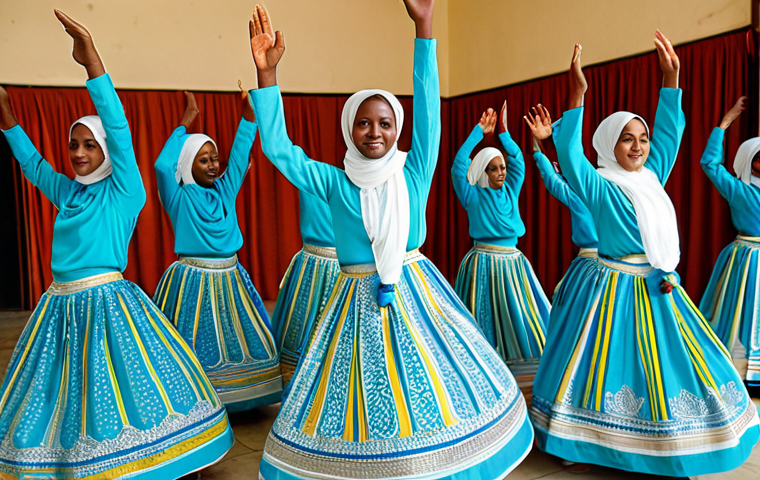
The traditional costumes worn during these dances are far more than just clothing; they are integral to the storytelling. The flowing Dirac for women, often adorned with intricate patterns, enhances the graceful movements of dances like the Saylici.
For men, the Macawiis or colorful loincloths allow for maximum mobility during the energetic stomps and leaps of the Dhaanto. I recall seeing dancers with elaborate headwear, some adorned with feathers or beads, which added an almost regal touch to their presence.
Some dances incorporate props like sticks or shields, which aren’t just decorative but are used to symbolize tools, weapons, or elements of nature, further deepening the narrative of the performance.
These visual elements provide crucial context, making the stories of courage, resilience, and daily life even more vivid.
The Driving Force: Music and Chants
No discussion of Somaliland’s folk dances is complete without acknowledging the powerful role of music and chanting. Unlike some cultures with complex instrumental ensembles, many Somali dances are driven by the human voice, handclaps, and the rhythmic thud of feet on the ground.
I was amazed by the sheer power of the collective chanting that often accompanies the Dhaanto, creating an almost hypnotic effect. Traditional drums, sometimes simple hand drums, provide a foundational beat, but it’s the vocalists who truly carry the melody and narrative.
The lyrics, often poetic and improvisational, guide the dancers and convey the emotional core of the performance. It’s a raw, visceral sound that resonates deep within, truly capturing the essence of the land and its people.
Safeguarding the Steps: Preservation in the Digital Age
The preservation of Somaliland’s folk dances in our increasingly digitized world is a fascinating challenge and a truly inspiring endeavor. I’ve seen firsthand how younger generations, particularly those in the diaspora, are leveraging social media platforms like YouTube and TikTok to learn, practice, and share these traditional dances.
It’s a beautiful paradox: ancient traditions finding new life through cutting-edge technology. This digital resurgence is crucial, not just for cultural continuity but also for fostering a sense of identity and pride among Somalis globally.
It’s exciting to witness how these platforms are transforming cultural exchange, making these unique art forms accessible to a worldwide audience and sparking interest in Somaliland’s rich heritage.
It truly feels like a new chapter is being written in the history of cultural preservation.
| Dance Name | Primary Performers | Key Characteristics | Cultural Significance |
|---|---|---|---|
| Dhaanto | Men & Women (often in lines/circles) | Vigorous stomping, percussive footwork, powerful chants, collective energy. | Celebratory, historical narration, community bonding, national identity. |
| Saylici | Primarily Women | Graceful, flowing movements, intricate hand gestures, delicate footwork. | Expressions of beauty, harmony, social life, personal reflection. |
| Ciyaartii | Mixed groups | Lively, energetic, interactive, often improvised, high energy. | Celebratory, performed at weddings & festivals, fosters social interaction. |
Bridging Generations Through Digital Platforms
One of the most heartwarming aspects of my observations was seeing how digital platforms are becoming classrooms for cultural transmission. I’ve personally watched videos of young Somalis, living thousands of miles away from their ancestral homeland, meticulously following online tutorials to master the steps of the Dhaanto.
This active engagement creates a vital link between generations, ensuring that the knowledge and passion for these dances are not lost. It’s a testament to the power of technology to empower cultural preservation, allowing traditions to cross geographical boundaries and resonate with a global audience.
This movement is not just about performance; it’s about identity, belonging, and the continuous evolution of a rich cultural narrative.
Tourism and Academic Interest: A Future Vision
The growing international interest, fueled in part by digital exposure, presents incredible opportunities for cultural tourism and academic study in Somaliland.
Imagine tailored tours where visitors could not only witness these dances but also participate in workshops, learning directly from local masters. From a research perspective, there’s a wealth of untapped knowledge in the oral traditions, the history embedded in the movements, and the sociological aspects of these performances.
I believe that by strategically promoting these unique cultural assets, Somaliland can attract a new kind of visitor, one deeply interested in authentic cultural exchange and historical understanding.
This would not only provide economic benefits but also reinforce the global recognition and respect these traditions truly deserve.
Personal Reflections: The Unforgettable Impact of Somaliland’s Rhythms
My journey into the world of Somaliland’s folk dances has been nothing short of transformative. What started as an academic curiosity quickly blossomed into a profound personal connection.
I remember standing on the sidelines, feeling the vibrations of the Dhaanto through the ground, and realizing that I was witnessing something truly sacred, a direct link to the soul of a nation.
It wasn’t just the complexity of the steps or the beauty of the costumes; it was the raw emotion, the collective spirit, and the stories woven into every movement that truly resonated with me.
This experience shifted my perspective entirely, showing me how art, in its purest form, can embody the very essence of a people’s history, their struggles, and their enduring triumphs.
It’s an experience that I carry with me, a rhythmic echo in my memory that reminds me of the vibrant heart of Somaliland.
My Journey from Observer to Participant (Almost!)
While I might not have mastered the intricate footwork of the Dhaanto, I certainly felt the pull to participate. There were moments during local gatherings when the infectious energy of the Ciyaartii became too much to resist, and I found myself clapping along, tapping my feet, and even attempting a few simple steps.
The local people, with their incredibly warm and welcoming smiles, encouraged my clumsy attempts, sharing laughter and creating a truly memorable moment of cross-cultural connection.
It reinforced my belief that dance isn’t just for performers; it’s a shared human experience that transcends language barriers and fosters genuine understanding.
Those brief moments of attempted participation were just as impactful, if not more so, than simply observing from afar.
The Enduring Legacy in a Changing World
It’s easy to worry that ancient traditions might fade away in our fast-paced globalized world, but my time exploring Somaliland’s folk dances filled me with immense hope.
I saw a community fiercely proud of its heritage, actively working to preserve and transmit these art forms to future generations. The resilience of the dancers, the depth of the stories they tell, and the unwavering commitment to keeping these rhythms alive are truly inspiring.
These dances are not static museum pieces; they are living, evolving expressions of a vibrant culture. They remind us that even as societies embrace modernity, the roots of tradition remain strong, providing a unique and essential foundation for identity and community.
This deep-seated commitment ensures that the powerful narratives of Somaliland will continue to echo through its folk dances for many centuries to come.
Closing Thoughts
My time immersed in the captivating rhythms of Somaliland’s folk dances has been an extraordinary journey of discovery. These aren’t just performances; they are the beating heart of a nation, embodying centuries of history, resilience, and profound cultural identity. I leave with a deeper appreciation for how art can transcend boundaries, connecting us to the very soul of a people. Witnessing these vibrant traditions thriving in the modern age offers a powerful testament to the enduring human spirit and the timeless appeal of shared heritage.
Useful Information
1. When planning a visit to Somaliland to experience its culture, consider attending local festivals or national celebrations. These events often feature vibrant folk dance performances that offer an authentic glimpse into the nation’s heritage.
2. Always approach cultural interactions with respect. If you have the opportunity to witness a dance, observe quietly initially and only participate if explicitly invited by locals, showing genuine interest and humility.
3. While Somaliland uses the Somaliland Shilling, major cities like Hargeisa widely accept US Dollars, especially for tourism-related expenses. It’s wise to carry smaller denominations for local markets and transactions.
4. To delve deeper into the historical and cultural context of these dances, seek out local cultural centers or engage with elders in the community. Their oral histories are invaluable sources of information and unique insights.
5. For those unable to travel, many Somaliland cultural groups and artists share performances and educational content on platforms like YouTube and Instagram, offering a virtual window into their traditions.
Key Takeaways
Somaliland’s folk dances, particularly the energetic Dhaanto, graceful Saylici, and celebratory Ciyaartii, are vibrant expressions of national identity, history, and community values. These ancient traditions are actively preserved through generational transmission and are finding new life through digital platforms, bridging geographical gaps and fostering global interest. Understanding their intricate movements, symbolic costumes, and powerful accompanying chants reveals a rich cultural tapestry. The growing academic and tourism interest further highlights their significance, ensuring these profound rhythmic narratives continue to resonate for future generations.
Frequently Asked Questions (FAQ) 📖
Q: Beyond the intricate steps, what is the most striking personal impression one might take away from experiencing a Somaliland folk dance like the Dhaanto for the first time?
A: Oh, it’s truly something else, isn’t it? I still get goosebumps thinking about it. For me, it wasn’t just about seeing the Dhaanto; it was feeling it.
You know that profound, almost ancient energy? It hits you right in the gut. The rhythmic stomps, the calls, the way everyone moves as one – it’s a living pulse.
It’s not a show; it’s like being invited into their very soul, a deep connection to the land and the generations that came before. Honestly, it leaves you with this incredible sense of awe and belonging, even if you’re just an observer.
It’s truly transformative.
Q: In today’s fast-paced, digital world, how are Somaliland’s folk dances managing to stay so vibrantly alive and even reach a global audience?
A: That’s such a brilliant question because it’s exactly what struck me! You’d think in our TikTok-driven reality, these ancient forms might just fade, right?
But what I’ve seen firsthand is quite the opposite. These dances are incredibly resilient; they’re not static museum pieces. They adapt, subtly, while keeping their heart.
And here’s the kicker: the digital world isn’t killing them; it’s giving them a whole new stage. I’ve chatted with young Somalis abroad who are rediscovering their heritage through YouTube videos or Instagram, learning steps from elders over video calls.
It’s incredible to see how a simple share can spark a global conversation, drawing in people from all corners of the world who are just mesmerized by the unique movements and stories.
It’s truly a testament to their enduring power.
Q: What’s the bigger picture for these cultural treasures, particularly in terms of their future preservation and how they might contribute to Somaliland’s identity on the global stage?
A: The future, for these dances, feels incredibly bright and multifaceted, to be honest. It’s not just about keeping them alive in a dusty archive; it’s about making them breathe and grow.
From what I’ve gathered, there’s a real push to integrate them more deeply into cultural tourism, offering visitors an authentic, immersive experience that goes beyond typical sightseeing.
Imagine a workshop where you actually learn a few Dhaanto steps! And for academics, these dances are a goldmine – a living, evolving historical record that tells stories no book ever could.
The really exciting part? It’s this beautiful dance between tradition and technology. It’s not just about performance anymore; it’s about digital archives, virtual reality experiences, maybe even collaborative online projects that connect diaspora communities with their roots.
It’s about ensuring that these incredible traditions aren’t just preserved, but actively celebrated and understood by generations to come, truly cementing Somaliland’s unique cultural footprint globally.
📚 References
Wikipedia Encyclopedia
구글 검색 결과
구글 검색 결과
구글 검색 결과
구글 검색 결과
구글 검색 결과