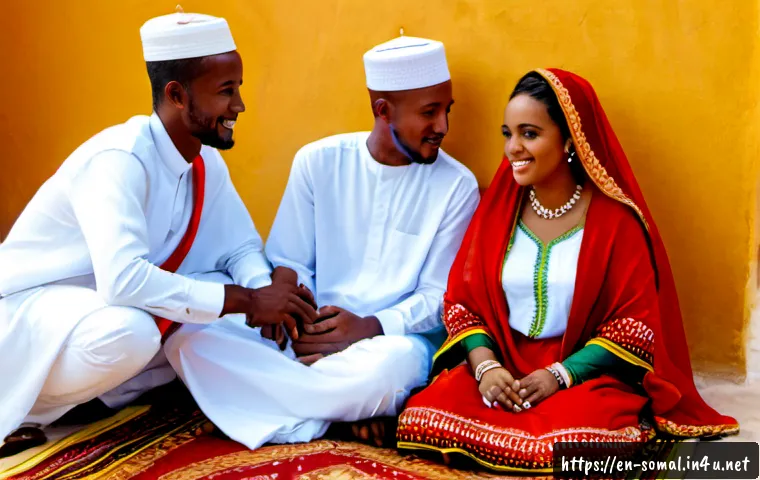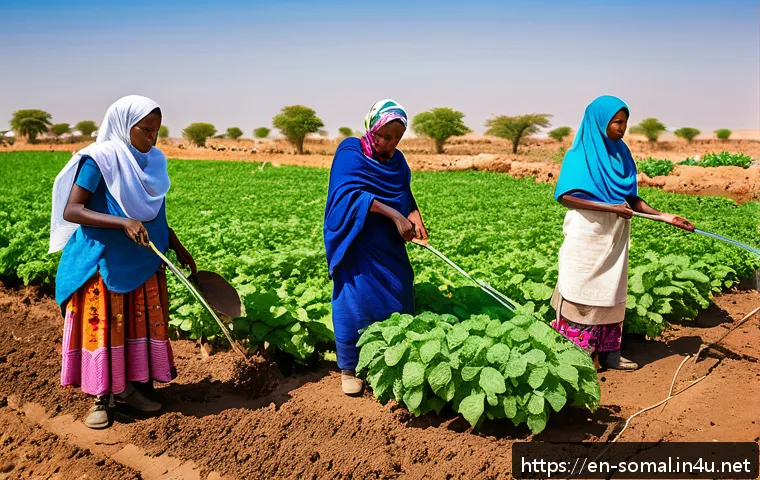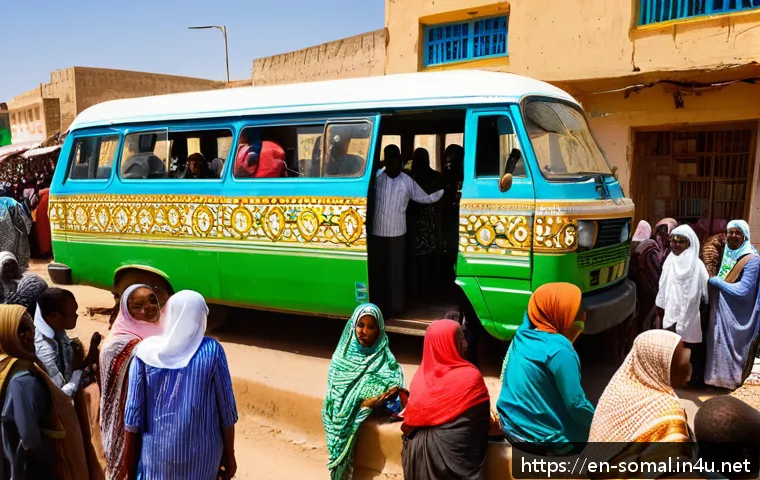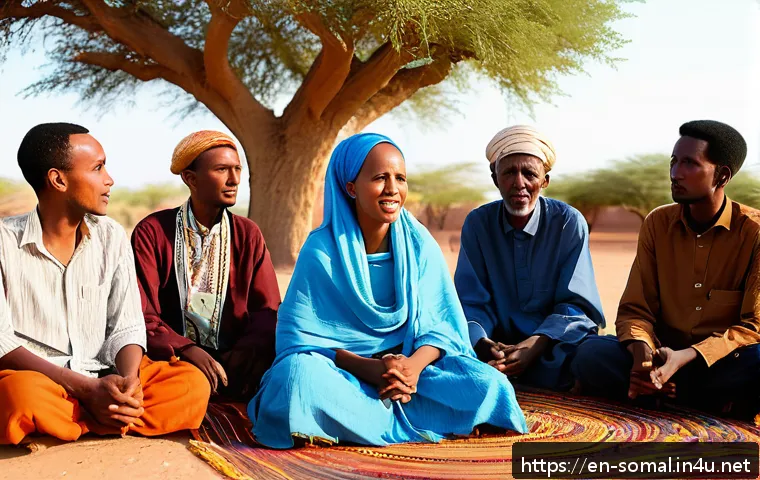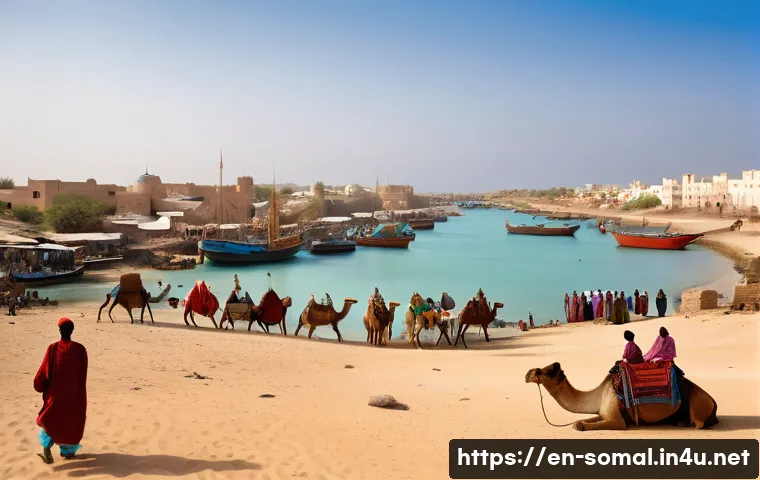
Dreaming of an adventure truly off the beaten path? Somaliland, a beacon of self-determination in the Horn of Africa, offers an unparalleled journey unlike any other.
It’s a place that recently captured my imagination, sparking a planning frenzy for a destination that promises raw, authentic experiences far from the usual tourist traps.
However, stepping into this fascinating territory isn’t like booking a quick flight to a well-trodden resort; it demands a unique set of preparations.
From navigating the specific visa processes and understanding local currency nuances – yes, the Somaliland Shilling is key here – to ensuring you’re culturally sensitive and even simply staying connected in a region with evolving tech infrastructure, a bit of foresight goes a very long way.
As global travel trends lean towards more immersive, less-explored locales, ensuring you’re fully equipped is paramount to embracing everything this vibrant land has to offer.
Let’s get the exact details!
Navigating the specific visa processes and understanding local currency nuances – yes, the Somaliland Shilling is key here – to ensuring you’re culturally sensitive and even simply staying connected in a region with evolving tech infrastructure, a bit of foresight goes a very long way.
As global travel trends lean towards more immersive, less-explored locales, ensuring you’re fully equipped is paramount to embracing everything this vibrant land has to offer.
Let’s get the exact details!
Unraveling the Visa Labyrinth: Your Gateway to Somaliland
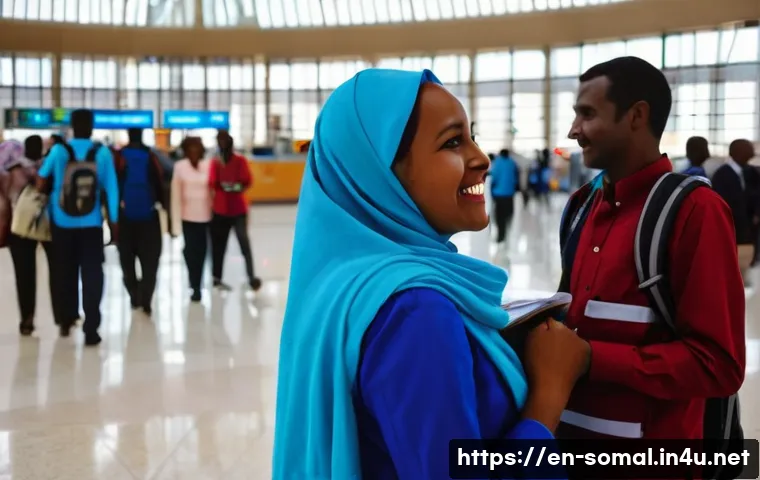
Preparing for a journey to Somaliland often begins with a unique hurdle: securing the visa. Unlike many popular tourist destinations where a simple online application or visa-on-arrival is commonplace, Somaliland requires a more deliberate approach, often involving a visit to one of its few representative offices or embassies abroad.
My own experience was a fascinating blend of anticipation and meticulous planning, starting long before I even considered booking my flight. It wasn’t just about filling out forms; it was about understanding the nuances of a self-declared state’s diplomatic process, which truly added to the sense of adventure even before I departed.
I remember spending hours researching the most reliable information sources, poring over traveler forums, and even reaching out to past visitors to ensure I had every single detail covered.
It felt like I was piecing together a complex puzzle, and each step confirmed that this was indeed a destination for the truly dedicated traveler.
1. The Application Process: A Test of Patience and Precision
The visa application itself is straightforward in terms of the forms, but the process demands a level of patience and precision that might surprise those accustomed to more automated systems.
You’ll typically need an invitation letter from a local contact or a registered tour operator in Somaliland, which is usually the first piece of the puzzle to secure.
This letter isn’t just a formality; it acts as a crucial link between you and the local authorities, signifying a genuine reason for your visit. I found that having a direct point of contact on the ground made this step significantly smoother, and their assistance was invaluable.
After obtaining this, the actual submission of documents at an embassy or mission becomes the next big step. This often means sending documents via courier or, ideally, visiting in person if you’re near a Somaliland representative office.
The waiting period can vary; for me, it felt like an eternity, but the eventual approval email brought a huge wave of excitement and relief, confirming that my dream trip was finally becoming a reality.
It truly felt like earning my way into a special club, not just getting a stamp in a passport.
2. Essential Documentation and Navigating Diplomatic Pathways
Beyond the invitation letter, you’ll need standard travel documents: a passport with at least six months’ validity, recent passport-sized photos, and sometimes proof of onward travel or accommodation.
However, the critical element is identifying the correct Somaliland representative office to apply through. They don’t have full embassies in every country, so you might find yourself applying through an office in Addis Ababa, Ethiopia, or potentially in a major European or North American city like London or Washington D.C.
Each office might have slightly different requirements or processing times, so meticulous cross-referencing is key. I personally corresponded with the office in Addis Ababa, and their responsiveness and clarity were impressive.
It’s not like dealing with a large, impersonal government department; it often feels more personal, almost like you’re building a relationship even before you arrive.
This personal touch, I believe, is part of Somaliland’s unique charm, a reflection of its independent spirit and the individual connections it fosters.
Mastering the Somaliland Shilling: Navigating a Unique Economic Landscape
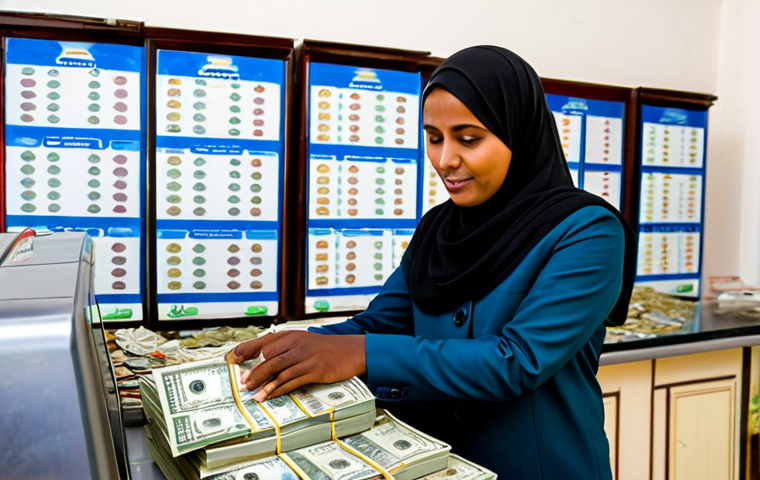
Stepping into Somaliland means embracing a cash-heavy economy, dominated by the local Somaliland Shilling (SLS). It’s an experience that truly redefines your understanding of currency, and it was one of the most memorable aspects of my trip, right from the moment I first laid eyes on the towering stacks of notes.
Forget credit cards or even widespread mobile payments for larger transactions – while mobile money is prevalent, particularly for everyday purchases, for anything significant, you’ll be dealing with physical cash, and lots of it.
My initial thought when I saw the sheer volume of shillings I received for a modest amount of US dollars was a mix of disbelief and amusement. It’s a completely different rhythm of commerce, one that requires a bit of adaptation but ultimately becomes an engaging part of the local experience.
I quickly learned to appreciate the efficiency of the local money changers and the surprisingly organized chaos of carrying what felt like a small fortune in my bag.
1. The Exchange Rate Experience: A Hands-On Lesson in Local Value
Upon arrival, your first priority will likely be exchanging your foreign currency, typically US Dollars, for Somaliland Shillings. The exchange rate is relatively stable but can fluctuate slightly, and the sheer volume of notes you receive for even a few hundred dollars is quite astonishing.
Imagine stacks upon stacks of brightly colored 500, 1000, or 5000 SLS notes. This isn’t just a transaction; it’s a spectacle. I distinctly recall the money changers in Hargeisa, sitting behind tables laden with meticulously counted piles of cash, their process surprisingly efficient and trustworthy.
They count with incredible speed and accuracy, and I felt a genuine sense of trust and transparency in their dealings. It’s a system built on reputation and direct human interaction, which is a refreshing change from automated ATMs.
Always aim to exchange your money at reputable money exchange shops rather than unofficial street vendors, though even the latter are often part of the established, if informal, network.
2. Daily Transactions and Carrying Your Wealth
Once you have your shillings, you’ll discover that virtually all transactions, from buying a bottle of water to paying for a taxi, are conducted in cash.
For small purchases, 500 or 1000 SLS notes are common, but for anything larger, you’ll be handing over substantial piles. It’s an odd feeling to carry what literally looks like a briefcase full of money for a week’s expenses, but it’s the norm.
I quickly learned to keep smaller denominations readily accessible for everyday purchases and to keep the bulk of my funds securely stored. Mobile money platforms like Zaad and E-Dahab are widely used by locals for quick payments, especially person-to-person or for small shop purchases.
While tourists can use these if they acquire a local SIM card and register, having physical cash is still indispensable. My tip: don’t be afraid to ask vendors for change, even if you’re handing over a large note for a small item; they are accustomed to it and will always have change ready.
| Expense Category | Estimated Cost (USD) | Estimated Cost (SLS) | Notes |
|---|---|---|---|
| Local Meal (Restaurant) | $5 – $10 | ~45,000 – 90,000 SLS | For a decent meal, often includes camel meat or pasta. |
| Local Taxi (Short ride) | $2 – $4 | ~18,000 – 36,000 SLS | Within Hargeisa, negotiated fare. |
| Bottle of Water (1.5L) | $0.50 – $1 | ~4,500 – 9,000 SLS | Widely available, essential. |
| Hotel Room (Mid-range) | $30 – $60 | ~270,000 – 540,000 SLS | Per night, varies by location and amenities. |
| SIM Card (Data plan) | $5 – $15 | ~45,000 – 135,000 SLS | Initial purchase plus data package. |
Embracing Cultural Sensitivity: Beyond the Tourist Lens
One of the most rewarding aspects of visiting Somaliland is the opportunity for deep cultural immersion. This isn’t a place designed for mass tourism, which means interactions are often more authentic and profound.
However, this also means that visitors have a greater responsibility to understand and respect local customs and traditions. My experience taught me that a willingness to learn and adapt goes an incredibly long way in fostering positive interactions and truly appreciating the rich fabric of Somaliland society.
It’s not about just observing from a distance; it’s about engaging respectfully and allowing yourself to be part of the flow of daily life, even if only for a short time.
I genuinely felt that the more effort I put into understanding the local way of life, the more warmly I was received, and the richer my overall experience became.
1. Dress Codes and Social Etiquette: Walking the Path of Respect
For both men and women, dressing modestly is paramount. For women, this typically means covering shoulders and knees, and often wearing loose-fitting clothing.
While a headscarf isn’t strictly mandatory for non-Muslim women, carrying one and being prepared to wear it, especially when visiting religious sites or when you feel it’s appropriate, is a sign of deep respect.
For men, long trousers and shirts are generally preferred over shorts and tank tops. Beyond clothing, observe local customs: public displays of affection are generally frowned upon, and it’s polite to use your right hand when shaking hands or passing items.
I found that a simple smile and a respectful demeanor often opened doors to friendly conversations, even with language barriers. People were incredibly understanding and appreciative of any effort I made to conform to their norms.
2. Communicating Respect: Greetings, Gestures, and the Power of “Salam”
Simple greetings in Somali can instantly break the ice. “Assalamu Alaikum” (peace be upon you) is a universal greeting, and “Subax Wanaagsan” (good morning) or “Galab Wanaagsan” (good afternoon) will also be met with warmth.
Eye contact can be interpreted differently, so observe local patterns. When offered tea or coffee, it’s polite to accept. If invited to someone’s home, remember to remove your shoes before entering.
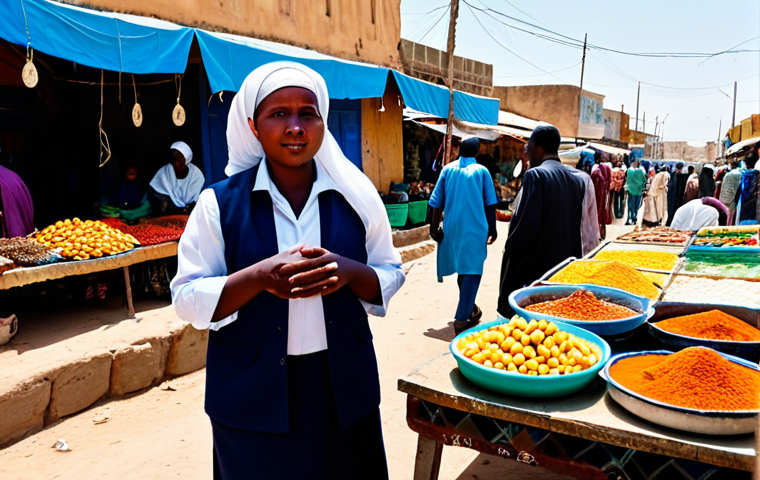
Photography requires sensitivity; always ask for permission before taking pictures of people, especially women and children. I learned to gauge the situation, sometimes just offering a friendly nod and smile before raising my camera.
The locals, I found, were generally very welcoming and curious about foreign visitors, and showing a genuine interest in their culture was always met with reciprocal kindness.
It’s these small gestures of respect that truly transform a trip into an authentic cultural exchange.
Staying Connected: Navigating Somaliland’s Digital Landscape
In a land that feels wonderfully off the grid, staying connected might seem like a challenge, but Somaliland has a surprisingly robust mobile network infrastructure.
While it might not be the seamless Wi-Fi ubiquitous in more developed nations, the local telecommunication companies have done an incredible job of bringing mobile connectivity to even remote areas.
My own experience navigating this landscape was a mix of delightful surprises and minor adjustments, realizing that “connected” here means something slightly different but equally effective for most travel needs.
It really made me appreciate how critical mobile access has become globally, even in places that are developing at their own pace.
1. SIM Cards and Internet Access: Your Digital Lifeline
Acquiring a local SIM card is straightforward and highly recommended for travelers. The main providers are Telesom and Somtel, and you can easily purchase a SIM at their offices in Hargeisa or other major towns.
You’ll typically need your passport for registration. Once you have a SIM, data packages are affordable and provide decent 3G or 4G connectivity in urban centers and along major routes.
I found the speeds to be perfectly adequate for browsing, using maps, and even occasional video calls. What truly impressed me was the widespread use of mobile money services like Zaad (Telesom) and E-Dahab (Somtel).
These aren’t just for payments; they often function as a primary banking system for locals, and you’ll see people paying for everything from groceries to taxi fares with their phones.
While getting your own Zaad account might be a bit of a process for short-term visitors, it’s fascinating to observe this cashless ecosystem in action, complementing the traditional cash-heavy system.
2. Powering Up: Adapters, Converters, and Staying Charged
While mobile connectivity is impressive, consistent access to electricity can be more variable, especially outside of major cities or at certain guesthouses.
Power outages do occur, and while most hotels in Hargeisa have generators, it’s wise to be prepared. Bringing a universal travel adapter is a must, as power outlets can vary.
More importantly, consider packing a high-capacity power bank. This became my best friend during my trip, ensuring my phone and other small devices were always charged, even during periods when electricity was intermittent or unavailable.
I also carried a small headlamp, which proved invaluable for navigating in the dark if the power went out at night. It’s about being self-sufficient and anticipating potential minor inconveniences, which ultimately contributes to a smoother and more enjoyable journey.
You don’t want to miss a photo opportunity or navigation detail because your battery died unexpectedly.
Health and Safety: Prioritizing Your Well-being on the Road
Traveling to Somaliland, like any off-the-beaten-path destination, requires a thoughtful approach to health and safety. While the country is remarkably peaceful and its people generally welcoming, being prepared for potential health concerns and understanding local safety dynamics is crucial for a worry-free experience.
My own journey involved careful research and a few practical steps that gave me immense peace of mind throughout my stay. It’s not about fear; it’s about smart preparation and knowing how to respond if something unexpected arises.
This proactive mindset allowed me to fully immerse myself in the adventure, knowing I had taken reasonable precautions.
1. Medical Preparedness and Local Facilities: A Proactive Approach
Before you even leave your home country, consult with your doctor about recommended vaccinations for the Horn of Africa, which typically include Yellow Fever, Typhoid, Hepatitis A and B, and updated routine vaccinations.
Malaria is also a consideration in certain areas, so discuss prophylaxis with your physician. I always carry a comprehensive personal first-aid kit, stocked with essentials like rehydration salts, anti-diarrhea medication, pain relievers, and any personal prescription medications.
While Hargeisa has decent medical clinics and pharmacies, facilities outside the capital are more basic. For serious emergencies, medical evacuation to a neighboring country might be necessary, so robust travel insurance that covers such an event is non-negotiable.
I ensured my policy included emergency medical evacuation, just for that extra layer of security, though thankfully, I never needed it.
2. Navigating Transportation and Personal Security: Trusting Your Instincts
Transportation within Somaliland primarily consists of shared taxis, private taxis, and inter-city buses. Roads can be unpaved or in varying conditions, so expect bumpy rides.
When taking taxis, it’s advisable to agree on the fare before starting your journey, and for longer distances or tours, hiring a reputable local guide with a driver is highly recommended.
Not only do they navigate the roads, but they also offer invaluable insights into local customs and security considerations. In terms of personal safety, Somaliland is generally very safe, particularly for visitors, and violent crime is rare.
However, like anywhere, exercising common sense is key: avoid walking alone at night in unlit areas, be aware of your surroundings, and keep valuables out of sight.
I felt incredibly safe during my entire trip, largely due to the visible presence of security forces and the inherent hospitality of the Somaliland people, but also because I took the time to understand local nuances and trusted the advice of my local contacts.
What to Pack: Essentials for a Unique Journey to Somaliland
Packing for Somaliland isn’t like packing for a beach holiday; it requires a practical, versatile approach that considers the climate, cultural norms, and the off-the-beaten-path nature of the destination.
My own packing list evolved considerably as I planned, eventually settling on a selection of items that proved indispensable for comfort, respect, and readiness for adventure.
It’s about being prepared for a range of situations while keeping your luggage manageable, especially if you plan to move around quite a bit. Each item I brought served a specific purpose, contributing to a smoother and more enjoyable experience.
1. Clothing and Personal Gear: Comfort Meets Culture
Given the modest dress code, loose-fitting, lightweight clothing made from breathable fabrics like cotton or linen is ideal. For women, long skirts or trousers and long-sleeved tops are recommended.
A light headscarf is also a good idea. Men should opt for long trousers and shirts. The climate is generally hot and dry, but evenings can cool down, especially in higher elevations, so a light jacket or sweater is useful.
Sturdy, comfortable walking shoes are a must, as you’ll likely be doing a fair amount of walking on uneven terrain. Don’t forget a wide-brimmed hat, sunglasses, and high-SPF sunscreen to protect against the strong sun.
I personally found that packing neutral colors helped me blend in more subtly, making me feel less conspicuous as a foreigner.
2. Practical Tools for the Road: Enhancing Your Independence
Beyond clothing, a few practical items can significantly enhance your trip. A reusable water bottle is essential, as staying hydrated is crucial in the dry climate.
You can often refill it at hotels or by purchasing large bottles of water. A small, but powerful, flashlight or headlamp is incredibly useful for power outages or navigating unlit areas at night.
Hand sanitizer and wet wipes are always a good idea, especially when public facilities might be limited. A durable daypack will be invaluable for carrying water, snacks, camera gear, and any daily essentials.
And, of course, a reliable camera with extra batteries and memory cards to capture the incredible landscapes and vibrant street scenes. I also packed a small notebook and pen, which was great for jotting down observations or attempting to learn new Somali words from friendly locals.
Diving Deeper: Unearthing Somaliland’s Hidden Charms Through Knowledge
Beyond the practicalities of visas, currency, and what to pack, a truly enriching journey to Somaliland involves a deeper understanding of its unique history, political landscape, and the aspirations of its people.
This isn’t just about ticking off tourist spots; it’s about engaging with a resilient society that has carved out its own path. For me, the pre-trip research felt almost as important as the physical preparations, because it shaped my perspective and allowed me to appreciate the country on a much more profound level.
It was the difference between being a mere spectator and becoming an informed, empathetic visitor. I felt a real connection with the narrative of Somaliland because I took the time to learn its story.
1. Pre-Trip Research: History and Current Affairs as Your Compass
Before arriving, immerse yourself in Somaliland’s history, particularly its journey from a British protectorate to its current self-declared independent status.
Understanding the reasons behind its separation from Somalia and its ongoing efforts for international recognition provides crucial context for everything you’ll see and experience.
Familiarize yourself with its democratic processes, its economic drivers, and the challenges and successes it faces. Reading books, reputable news articles, and academic papers will give you a solid foundation.
This knowledge will not only help you interpret what you observe but also enable more meaningful conversations with locals who are often keen to share their perspectives and aspirations.
I found that even a basic understanding of their recent history opened up incredible dialogues that went far beyond typical tourist small talk.
2. Embracing the Unexpected: Flexibility as Your Ultimate Companion
While thorough planning is essential, Somaliland often throws delightful, unexpected curveballs your way. Infrastructure outside of Hargeisa can be rudimentary, schedules can be fluid, and things might not always go exactly as planned.
This is where flexibility becomes your ultimate travel companion. Embrace delays, enjoy the detours, and be open to spontaneous invitations or changes in your itinerary.
Some of my most cherished memories came from unexpected encounters or moments when plans changed, leading me to discover something truly unique. Whether it was being invited for tea with a local family or stumbling upon a vibrant market not listed in any guide, these moments of adaptability enhanced my experience tenfold.
It taught me that sometimes, the best adventures are found when you let go of rigid expectations and simply allow the destination to unfold before you.
Closing Thoughts
My journey through Somaliland wasn’t just a trip; it was an profound education, a truly rare adventure that defied every preconceived notion and left an indelible mark on my soul.
From the intricate dance of securing a visa to the delightful challenge of managing stacks of shillings, and the heartwarming embrace of a deeply respectful culture, every aspect contributed to an experience unlike any other.
It’s a destination for the curious, the brave, and those truly seeking to understand the world beyond the well-trodden paths. My hope is that by sharing these insights, your own exploration of this vibrant land will be as rich and rewarding as mine was.
Useful Information
1. Visa Application Requires Patience: Start your visa application process well in advance, as it often involves physical submission of documents and can take several weeks for processing. This is not a last-minute destination.
2. Embrace the Shilling: While USD is accepted by some hotels and larger establishments, the Somaliland Shilling is the primary currency. Be prepared to carry large stacks of cash for daily transactions.
3. Cultural Sensitivity is Key: Dress modestly, especially women, and always ask for permission before taking photographs of people. A respectful demeanor goes a long way in fostering positive interactions.
4. Get a Local SIM Card: For reliable internet access and to utilize mobile money services (even if just for observation), purchasing a local SIM card (Telesom or Somtel) upon arrival is highly recommended.
5. Prioritize Travel Insurance: Given the unique nature of travel to Somaliland, comprehensive travel insurance that includes emergency medical evacuation is an absolute necessity for peace of mind.
Key Takeaways
Somaliland offers an authentic, rewarding travel experience for those prepared for its unique aspects. Secure your visa early, embrace the local cash-heavy economy, and always practice cultural sensitivity.
A local SIM card is invaluable for connectivity, and robust travel insurance is non-negotiable. Approach your journey with flexibility and an open mind, and you’ll uncover the rich layers of this remarkable destination.
Frequently Asked Questions (FAQ) 📖
Q: Okay, so the visa process sounds like a big hurdle. What exactly does ‘specific visa processes’ entail for Somaliland, and how do I even begin navigating it?
A: Believe me, that was one of my first questions too, and it can feel a bit like peeling an onion! My approach, and what I’d highly recommend, is to apply for your visa well in advance at a Somaliland Representative Office or Mission in a country near you, or one you might be transiting through.
I know people who’ve tried to sort it on arrival at Egal International Airport in Hargeisa, and while it can sometimes happen, it’s really not the smooth, stress-free start you want for such an adventure.
Think about it: you want to step off that plane ready to soak it all in, not haggling over paperwork after a long journey. What they typically ask for is a letter of invitation – often from a local contact or a reputable hotel you’ve booked – along with your passport, photos, and a fee.
It feels a bit old-school, no slick online portal, but that’s part of its charm. Just make sure you double-check the exact requirements with the specific office you plan to use, as they can sometimes vary slightly.
My personal experience was with the office in Addis Ababa, and while it took a few days, it was ultimately straightforward once I had all my ducks in a row.
Q: You mentioned the Somaliland Shilling and evolving tech. What’s the practical reality on the ground for managing money and staying connected?
A: re credit cards even a thing there, or should I just load up on cash? A2: Ah, the money situation! This is where Somaliland is genuinely fascinating and will challenge any Western assumptions.
Forget credit cards – seriously, they’re practically non-existent for daily transactions. You absolutely will need cash. The good news is that US Dollars are widely accepted, especially for larger purchases like hotels or tours, but for your everyday needs, like buying a snack from a street vendor or a quick ride, the Somaliland Shilling is your best friend.
And here’s the kicker, the truly unique part: mobile money! It’s king. Services like Zaad and E-Dahab are everywhere, practically everyone uses them.
It was mind-boggling at first – paying for a taxi or even a bottle of water with my phone, but it’s incredibly efficient once you get the hang of it. My advice?
Carry a good mix of crisp USD notes (smaller denominations are useful) and be prepared to get a local SIM card early on so you can set up a mobile money account if you’re staying for a bit.
It’s an eye-opener and actually a really seamless way to pay once you adjust. I remember trying to pay for something small with a huge USD note once and got a gentle, amused look before someone just whipped out their phone for a mobile transfer.
It was a good lesson in embracing the local way!
Q: Beyond the practicalities, how can I truly embrace Somaliland’s culture and ensure I’m being respectful? I want those ‘raw, authentic experiences,’ but without being an ignorant tourist.
A: This is probably the most important question, honestly, because it’s where those ‘raw, authentic experiences’ truly blossom. My biggest takeaway? Patience and observation.
Somalilanders are incredibly welcoming and curious, but respecting their customs goes a long, long way. For women, modest dress is key – think long skirts or trousers and covering your shoulders, and maybe a light headscarf ready for when you visit mosques or more conservative areas.
For men, shorts aren’t common, so stick to trousers. Always use your right hand for greetings, eating, or passing items; it’s a small but significant gesture.
When you’re out and about, try to engage with people; a simple “Assalamualaikum” (peace be upon you) will open so many doors. I found that just showing genuine interest in their stories and their daily lives, rather than just snapping photos, created truly memorable connections.
Before taking photos of people, always, always ask for permission. There was one time I was so captivated by a bustling market scene, I almost just raised my camera, but caught myself and asked.
The man smiled, nodded, and even posed for me. That small interaction changed the whole moment from just a photo op to a genuine human connection. It’s about being present, humble, and open to learning, and in return, you’ll feel an incredible warmth and hospitality that makes Somaliland unforgettable.
📚 References
Wikipedia Encyclopedia
구글 검색 결과
구글 검색 결과
구글 검색 결과
구글 검색 결과
구글 검색 결과