Somalia and Somaliland, though sharing a common heritage, possess distinct cultural nuances. Within Somaliland, humor, shaped by nomadic traditions and modern aspirations, holds a unique space.
From witty proverbs passed down through generations to contemporary comedic takes on daily life, laughter serves as both a social lubricant and a tool for cultural commentary.
I’ve personally observed how a well-timed joke can diffuse tension at a local gathering or how satirical songs critique societal norms with surprising effectiveness.
The humor here isn’t always slapstick; it often relies on clever wordplay, irony, and an understanding of shared cultural values. The rise of social media is now changing the game, and influences are starting to come into the country from other countries and other continents.
We will now dive deeper into the fascinating world of Somaliland humor in the article below.
Decoding Somaliland Humor: A Cultural Mirror
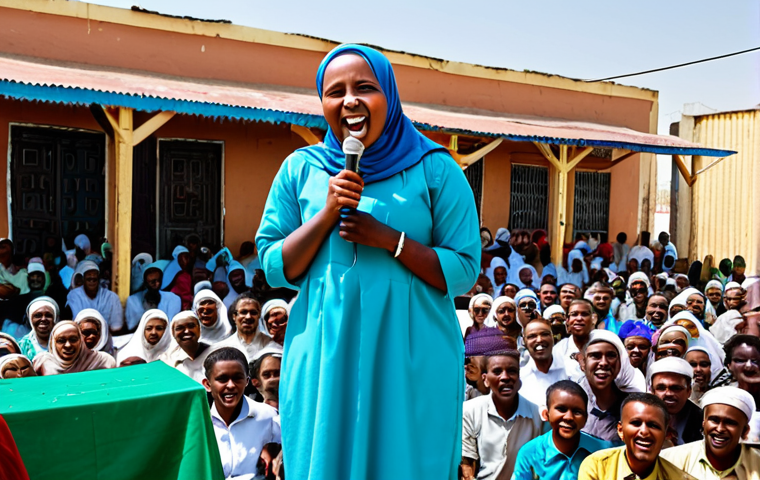
Somaliland’s humor is not just about telling jokes; it’s a reflection of their values, experiences, and societal structures. Having spent time in Hargeisa, I’ve noticed how humor often serves as a subtle form of social commentary, particularly on issues that might be too sensitive to address directly.
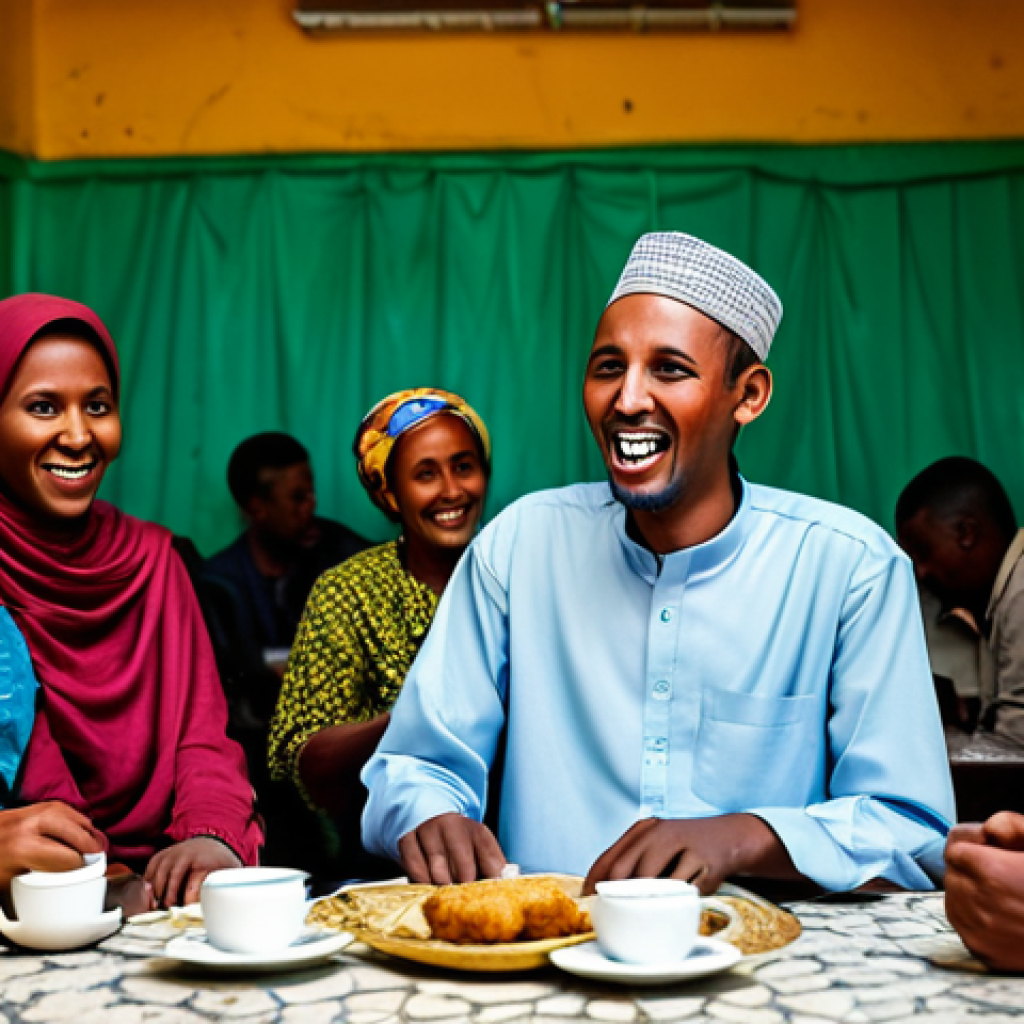
Imagine a crowded tea shop, the air thick with the aroma of spices and the murmur of conversations. A storyteller begins a tale, exaggerating the quirks of a local politician or poking fun at the bureaucracy with such wit that everyone erupts in laughter.
But it’s not just mindless laughter; it’s a shared understanding, a collective acknowledgment of the issues at hand. This type of humor, often found in traditional storytelling, is a powerful way to voice concerns and foster a sense of unity.
It’s like a pressure valve, releasing tension while simultaneously reinforcing cultural bonds. From my own observations, the best humorists are those who can navigate the delicate balance between entertainment and social critique, earning both respect and amusement from their audiences.
The beauty lies in its subtlety – a veiled critique that encourages reflection rather than outright confrontation.
The Art of the Anecdote
Somalilanders excel at turning everyday situations into humorous anecdotes. A trip to the market, a delayed flight, or even a simple interaction with a neighbor can become the basis for a hilarious story, embellished with vivid details and witty observations.
Proverbs and Wordplay
Traditional proverbs often contain hidden layers of humor, relying on double meanings and clever wordplay. These proverbs are not just pieces of wisdom; they are also a source of amusement, passed down through generations and adapted to suit modern contexts.
The Role of Satire in Somaliland Society
Satire plays a crucial role in Somaliland’s social and political discourse. Comedians and artists often use satire to critique the powerful, expose hypocrisy, and challenge the status quo.
Through exaggerated characters, absurd situations, and biting wit, they hold a mirror up to society, prompting reflection and sparking dialogue. While some may find it uncomfortable, satire is generally accepted as a vital form of expression, a way to keep those in power accountable and to address sensitive issues in a lighthearted yet meaningful way.
I remember attending a local play that satirized the country’s political landscape. The audience was roaring with laughter, but beneath the surface of the humor, there was a palpable sense of unease, a recognition of the truths being exposed.
It was a powerful reminder of the role that satire plays in shaping public opinion and promoting social change.
Political Commentary Through Comedy
Stand-up comedians and online personalities are increasingly using humor to address political issues and challenge the government. Their skits often go viral, sparking discussions and debates across social media platforms.
Social Satire in Music
Many Somali musicians incorporate satirical elements into their songs, using humor to critique social norms, address inequality, and promote positive change.
Generational Differences in Humor Preferences
Like any society, Somaliland experiences generational shifts in humor preferences. Older generations tend to favor traditional storytelling and proverbs, while younger generations are drawn to contemporary forms of comedy, such as stand-up, online skits, and memes.
This difference in tastes can sometimes lead to humorous exchanges between generations, as they try to understand and appreciate each other’s perspectives.
For example, I once witnessed a grandfather struggling to understand a viral meme his grandson had shared, leading to a hilarious explanation of internet culture and modern slang.
It was a reminder that humor is not static; it evolves over time, reflecting the changing values and experiences of each generation.
Traditional vs. Modern Comedy
The older generation often prefers traditional forms of humor rooted in storytelling and proverbs, while the younger generation embraces modern comedy styles influenced by global trends.
The Influence of Social Media
Social media has played a significant role in shaping the humor of younger Somalilanders, exposing them to a wider range of comedic styles and allowing them to create and share their own content.
The Impact of Globalization on Somaliland Humor
Globalization has undoubtedly impacted Somaliland’s humor landscape. The influx of foreign media, particularly from the West, has exposed Somalilanders to new comedic styles and sensibilities.
While some embrace these influences, others worry about the potential erosion of traditional forms of humor. I’ve seen how younger Somalilanders readily consume American sitcoms and British comedy shows, incorporating elements of these styles into their own jokes and skits.
However, there’s also a growing awareness of the need to preserve and promote Somaliland’s unique cultural heritage, including its distinctive brand of humor.
It’s a balancing act, navigating the influence of globalization while maintaining a strong sense of cultural identity.
The Spread of Western Comedy
Western sitcoms, stand-up shows, and movies have gained popularity in Somaliland, influencing the comedic tastes and styles of younger generations.
Preserving Traditional Humor

Efforts are underway to preserve and promote traditional Somali humor through storytelling festivals, cultural events, and educational programs.
Humor as a Coping Mechanism in Challenging Times
Somaliland has faced numerous challenges throughout its history, from civil war to economic hardship. In these difficult times, humor has often served as a coping mechanism, providing a much-needed escape from the harsh realities of life.
Laughter can be a powerful tool for resilience, helping people to stay positive, maintain hope, and find strength in the face of adversity. I’ve heard stories of people sharing jokes and funny stories in the midst of conflict, using humor to diffuse tension, build camaraderie, and remind themselves of their shared humanity.
It’s a testament to the enduring power of humor to uplift spirits and foster a sense of community, even in the darkest of times.
Finding Levity in Adversity
Somalilanders often use humor to find moments of levity and joy even in the face of hardship, offering a sense of hope and resilience.
Humor as a Form of Healing
Sharing funny stories and jokes can be a way for people to process trauma and heal from emotional wounds, promoting a sense of connection and shared experience.
Examples of Somaliland Humor
Understanding Somaliland humor requires grasping its cultural context. Here’s a glimpse into its various forms:
| Type of Humor | Description | Example |
|---|---|---|
| Proverbial Wit | Clever sayings passed down, offering life lessons with a humorous twist. | “Nin aan dhaqan aqoonnin, doqon ayaa ka daran” (A person who doesn’t know culture is worse than a fool). |
| Anecdotal Tales | Everyday situations turned into exaggerated, comical narratives. | A story about a stubborn camel refusing to move, leading to a series of ridiculous events. |
| Satirical Songs | Musical performances that use humor to critique social or political issues. | A song poking fun at corrupt politicians with exaggerated characters and witty lyrics. |
| Self-Deprecating Jokes | Humor that makes fun of oneself or one’s own group, often used to build rapport and diffuse tension. | A joke about the perceived shortcomings of a particular clan or region, delivered with a lighthearted tone. |
The Future of Somaliland Humor: A Blend of Tradition and Modernity
The future of Somaliland humor likely lies in a blend of tradition and modernity. As the country continues to develop and engage with the wider world, new forms of comedy will undoubtedly emerge.
However, the core values and cultural sensibilities that have shaped Somaliland humor for generations will likely endure. I envision a future where young comedians and artists draw inspiration from both traditional storytelling and global comedic trends, creating a unique and vibrant humor scene that reflects the evolving identity of Somaliland.
It’s an exciting prospect, one that promises to bring laughter, insight, and a deeper understanding of Somaliland culture to audiences both at home and abroad.
Supporting Local Comedians
Investing in and supporting local comedians and artists is crucial for fostering a thriving and diverse humor scene.
Promoting Cultural Exchange
Encouraging cultural exchange and collaboration with artists from other countries can help to broaden perspectives and inspire new forms of comedic expression.
Decoding Somaliland humor offers a fascinating glimpse into the soul of the nation, revealing its values, resilience, and unique perspective on the world.
From witty proverbs to satirical songs, Somaliland humor reflects the country’s history, culture, and aspirations. By understanding and appreciating this humor, we can gain a deeper understanding of the Somali people and their enduring spirit.
Wrapping Up
Exploring Somaliland humor has been a journey into the heart of a culture that finds laughter even in the face of adversity. It’s a reminder that humor can be a powerful tool for social commentary, cultural preservation, and simply bringing people together.
Whether it’s a witty proverb or a satirical song, Somaliland humor offers a unique perspective on the world, inviting us to laugh, reflect, and connect on a deeper level.
As Somaliland continues to evolve, its humor will undoubtedly adapt and change, reflecting the country’s evolving identity and its place in the global landscape. The blend of tradition and modernity will continue to shape the humor scene.
So next time you encounter a Somalilander, be sure to listen closely for the subtle nuances of their humor – it’s a window into their soul.
Useful Information
1. Attend a Local Cultural Event: Immersing yourself in a local cultural event is a great way to experience Somaliland humor firsthand. Look for storytelling festivals, musical performances, or theatrical productions.
2. Learn Some Basic Somali Phrases: Knowing a few basic Somali phrases can help you better understand and appreciate the nuances of Somaliland humor. Start with greetings, expressions of gratitude, and common idioms.
3. Follow Somaliland Comedians on Social Media: Many Somaliland comedians and artists share their work on social media platforms like YouTube, Facebook, and Instagram. Following them can give you a glimpse into the contemporary humor scene.
4. Read Books and Articles About Somaliland Culture: To understand the cultural context of Somaliland humor, read books and articles about the country’s history, traditions, and social norms. Libraries and online resources are good places to start.
5. Engage with the Somaliland Diaspora: The Somaliland diaspora is a valuable source of information and insight into the country’s culture and humor. Connect with members of the diaspora online or in your local community to learn more.
Key Takeaways
Somaliland humor serves as a reflection of the nation’s values, experiences, and societal structures.
Satire plays a crucial role in Somaliland’s social and political discourse, providing a means to critique power and challenge the status quo.
Generational differences in humor preferences highlight the evolving cultural landscape of Somaliland.
Globalization has impacted Somaliland humor, leading to a blend of traditional and modern comedic styles.
Humor serves as a coping mechanism in challenging times, offering a sense of resilience and hope.
Frequently Asked Questions (FAQ) 📖
Q: How does traditional nomadic culture influence humor in Somaliland?
A: You know, growing up, I always heard these amazing stories and proverbs passed down from elders. They weren’t just tales, they were filled with sharp wit and clever observations about life.
The nomadic lifestyle, with its challenges and close-knit community, really shaped a kind of humor that’s all about resourcefulness, resilience, and finding the funny side of even the toughest situations.
Think about it – if you’re constantly moving and relying on each other, humor becomes a crucial way to bond and cope. It’s a humor born out of necessity, but it’s also deeply insightful and uniquely Somalilander.
Q: Can you give a specific example of how humor is used to critique societal norms in Somaliland?
A: Oh, definitely! I’ve seen it firsthand. Think about satirical songs – they’re incredibly popular.
There was this one song, I can’t remember the exact lyrics now, but it was about the pressure young people face to get married early. It was hilarious, but also subtly pointed out the unrealistic expectations and the double standards within the community.
The artist used a lot of irony and exaggeration, which made it both funny and thought-provoking. People were laughing, but they were also nodding their heads in agreement.
It’s a really effective way to address sensitive issues without being confrontational.
Q: How is social media impacting the evolution of humor in Somaliland?
A: Social media is a total game changer. Honestly, I worry about it a little bit. While it’s great that Somalilanders can now share their jokes and perspectives with the world and learn about what’s funny elsewhere, it also means we are seeing a huge influx of humor from other places.
The younger generation are now so exposed to American memes and British sarcasm. While they get some of it, I do worry that the uniquely Somalilander wit I grew up with will slowly fade away.
It’s a double-edged sword – increased connectivity and access to global trends are exciting, but there is a chance of cultural homogenization when all the funny clips end up just being TikTok dances and Youtube reels.
📚 References
Wikipedia Encyclopedia
구글 검색 결과
구글 검색 결과
구글 검색 결과
구글 검색 결과
구글 검색 결과