Hey there, fellow global entrepreneurs and savvy business minds! Have you ever looked at a map and wondered about the hidden gems, the places quietly bustling with untapped potential?
Well, I’ve been keeping a close eye on Somaliland, and let me tell you, it’s quickly becoming one of the most intriguing frontiers for international trade and investment.
Forget what you *think* you know; this self-declared nation in the Horn of Africa is far more than just headlines. With its strategic location along vital shipping lanes, significant investments pouring into infrastructure like the modernized Berbera Port and its connecting corridors to Ethiopia, Somaliland is truly positioning itself as a pivotal trade gateway for East Africa.
I’ve personally seen the buzz around local entrepreneurs, and the demand for everything from essential goods to innovative technologies is just exploding.
From sustainable agriculture and value-added livestock products to a booming digital sector and a coastline ripe for fisheries development, the opportunities are real, diverse, and surprisingly accessible for those willing to look beyond the conventional.
If you’re ready to explore a dynamic market where your products could make a real impact and find eager consumers, you’re in the right place. This isn’t just about selling; it’s about being part of a nation’s exciting growth story.
Let’s explore this promising landscape more accurately and discover the true potential!
Somaliland: East Africa’s New Trade Nexus
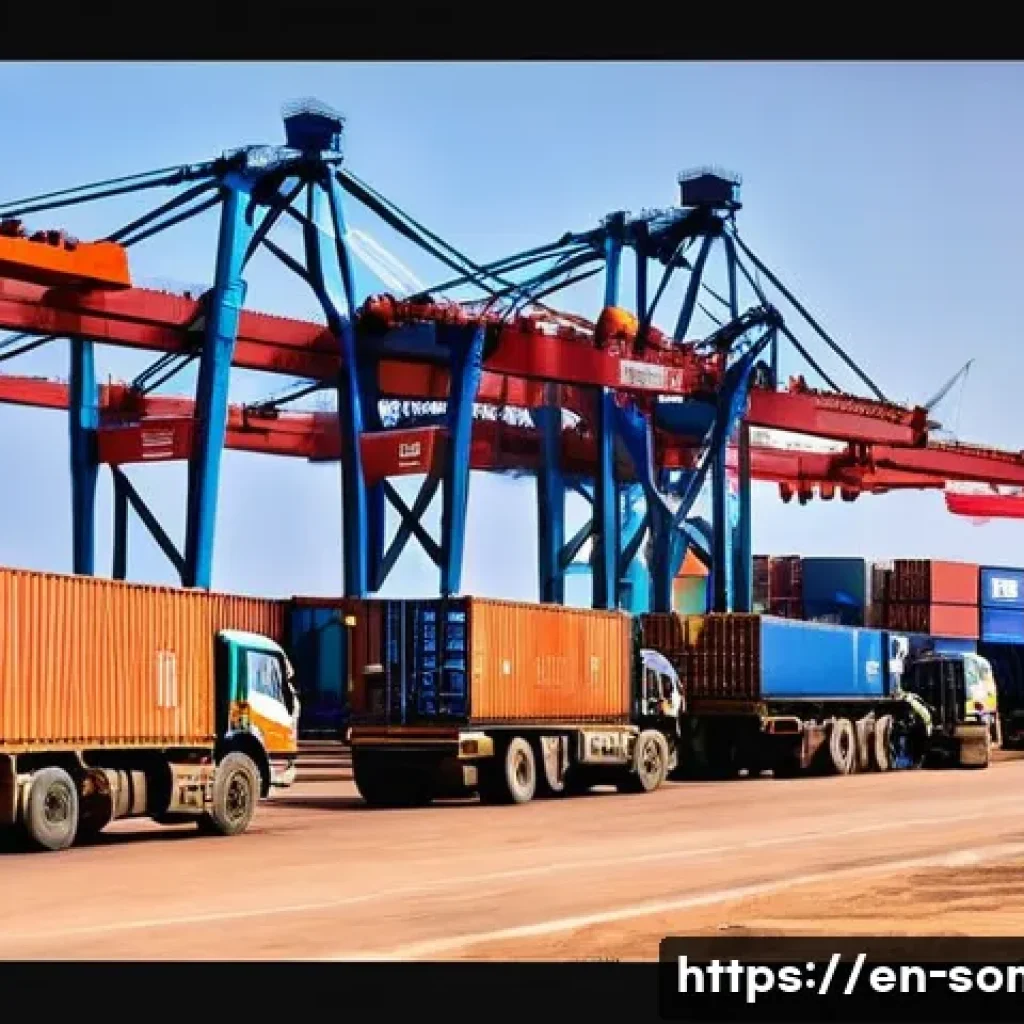
Okay, let’s get real about Somaliland. When I first started digging into this vibrant corner of the world, I was honestly blown away by its strategic position. It’s not just another dot on the map; it’s literally at the crossroads of some of the busiest shipping lanes globally. Think about it: the Red Sea, the Gulf of Aden – these aren’t just names in geography books, they’re arteries of global commerce. And Somaliland is perfectly situated to capitalize on this. The massive investments pouring into infrastructure, especially the upgrades at Berbera Port, are truly game-changers. I’ve seen the reports, talked to people on the ground, and the sheer scale of the modernization efforts is impressive. It’s not just about bigger cranes or deeper berths; it’s about creating a hyper-efficient logistical hub that can serve not just Somaliland, but also landlocked Ethiopia, which is a massive market in itself. This connection through the Berbera Corridor isn’t just a road; it’s a lifeline for trade, a direct route for goods to flow in and out of East Africa. It dramatically cuts down transit times and costs, which, as any seasoned entrepreneur knows, is crucial for profitability. I’m personally convinced that this infrastructure development alone makes Somaliland a compelling proposition for anyone looking to optimize their supply chain into the region. It’s an ambitious vision, and from what I’ve witnessed, they are executing it with remarkable dedication.
The Berbera Port Transformation: A Regional Powerhouse
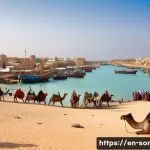
The transformation of Berbera Port is nothing short of incredible, and it’s truly the beating heart of Somaliland’s economic ambitions. What was once a promising but underutilized facility is rapidly becoming a state-of-the-art maritime gateway. I’ve followed its development closely, and the expansion projects, spearheaded by major international players, are designed to handle significantly larger volumes of cargo, from containers to bulk goods. This isn’t just about making trade easier; it’s about creating an engine for regional economic growth. For entrepreneurs like us, this means smoother logistics, faster turnaround times, and ultimately, a more predictable and cost-effective way to get our products to market or source goods from the region. The efficiency gains alone are enough to make you sit up and pay attention. It truly redefines what’s possible for trade in the Horn of Africa.
Connecting the Dots: The Berbera Corridor to Ethiopia
And let’s not forget the Berbera Corridor. This isn’t just a road; it’s a testament to strategic thinking and regional cooperation. Connecting Berbera Port directly to Ethiopia – a nation of over 100 million people with significant import/export needs – is a stroke of genius. I’ve heard countless stories from local business owners who are already seeing the impact of this improved connectivity. It’s creating a seamless logistical channel, reducing the previous reliance on other, more congested ports. For businesses considering Somaliland, this corridor offers unparalleled access to a huge consumer base and a rich source of agricultural products and other goods from Ethiopia. It’s a win-win, fostering robust cross-border trade and strengthening Somaliland’s position as a vital transit hub. The economic ripple effects are already being felt, creating new opportunities for ancillary services, logistics, and transportation along the route.
Unlocking Somaliland’s Abundant Natural Resources
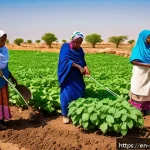
Moving beyond the port, let’s talk about the land itself. Somaliland is blessed with a wealth of natural resources, many of which are still largely untapped and present incredible opportunities for value-added industries. I’ve spent time looking into their agricultural sector, and what strikes me is the potential for sustainable farming practices. We’re talking about vast expanses of fertile land, ripe for cultivating everything from staple crops to specialized produce that could fetch a premium in international markets. And then there’s livestock – a sector that’s been foundational to Somaliland’s economy for centuries. This isn’t just about exporting live animals; it’s about moving up the value chain. Imagine investments in modern abattoirs, meat processing facilities, and leather tanneries. These aren’t just dreams; they’re tangible, high-impact projects that could create thousands of jobs and generate significant export revenue. From my perspective, these sectors aren’t just about raw materials; they’re about creating finished products, building brands, and truly participating in the global economy with goods that have a unique story and quality. The government and local entrepreneurs are eager for partnerships that bring technology, investment, and market access, making it a very welcoming environment for those looking to innovate in these traditional yet evolving industries.
Sustainable Agriculture: Feeding a Region and Beyond
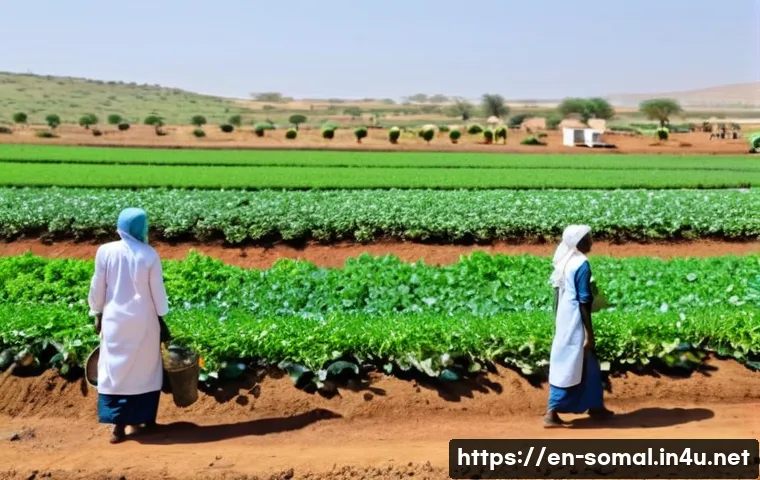
The agricultural potential in Somaliland is immense, and it’s definitely caught my attention. I’ve personally seen the dedication of local farmers, and with the right investment in modern techniques, irrigation, and storage, this sector could truly flourish. We’re not just talking about subsistence farming; we’re talking about commercial-scale operations that can produce for both local consumption and export. Imagine specialty crops, organic produce, or even unique spice blends. The climate varies, offering diverse opportunities. My gut feeling is that businesses focusing on sustainable practices, perhaps introducing new crop varieties or improving yields through smart technology, would find a very receptive market and strong governmental support. This is about building food security for the region while also creating valuable export commodities. It’s an area where impact and profit can absolutely go hand-in-hand.
Modernizing the Livestock Sector for Global Markets
Somaliland has a long, proud history with livestock, and it remains a cornerstone of their economy. But the future, as I see it, isn’t just about exporting live animals. It’s about bringing this industry into the 21st century. I’ve spoken with local entrepreneurs who are incredibly eager to develop facilities for meat processing, packaging, and even producing high-quality leather goods. This would not only increase the value of their exports but also create a significant number of skilled jobs. Think about the demand for ethically sourced, high-quality meat products in markets worldwide. Somaliland could fill that niche with the right investment in modern abattoirs, cold chain logistics, and quality control. It’s an exciting prospect, transforming a traditional strength into a sophisticated, export-oriented industry. The opportunities here are truly substantial for those willing to invest in innovation and infrastructure.
The Digital Frontier: Technology and Connectivity Opportunities
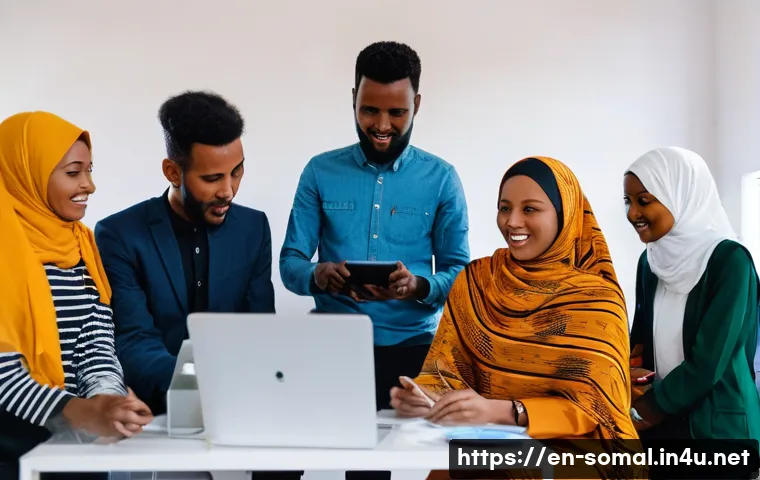
Now, let’s pivot to something that gets my entrepreneurial blood pumping: the digital sector. In Somaliland, this isn’t just a buzzword; it’s a rapidly expanding reality. I’ve been so impressed by the sheer energy and innovation within their tech community. Despite facing various challenges, local entrepreneurs are incredibly tech-savvy, driving a demand for everything from reliable internet services to mobile banking solutions and e-commerce platforms. This is a young, dynamic population that’s hungry for connectivity and digital tools. For foreign investors, this means a ripe market for IT services, software development, fintech innovations, and digital infrastructure. I’ve personally seen the rise of local tech hubs, bustling with young minds developing solutions for everyday problems. This isn’t just about selling technology; it’s about empowering a nation through digital transformation. The potential for high-impact, scalable tech ventures here is enormous, especially given the relatively low competition compared to more saturated markets. It feels like a genuine ground-floor opportunity for those willing to roll up their sleeves and contribute to building out a digital ecosystem. From what I’ve gathered, there’s a real desire to leapfrog older technologies and embrace the latest advancements, creating a fertile ground for innovation.
Mobile Money and Fintech: Powering Financial Inclusion
If there’s one area where Somaliland is truly punching above its weight, it’s mobile money. I’ve seen firsthand how ubiquitous it is; from the smallest street vendor to larger businesses, transactions are often conducted via mobile phone. This widespread adoption has created an incredibly fertile ground for fintech innovation. For those of us in the financial technology space, this is a massive opportunity to introduce more sophisticated solutions – think micro-lending platforms, digital payment gateways, insurance products, or even blockchain-based services. The existing infrastructure and user familiarity make it an ideal testbed for new ideas. I genuinely believe that investing in Somaliland’s fintech landscape isn’t just about making a profit; it’s about driving financial inclusion and empowering millions. It’s a dynamic sector with immense potential for growth and real-world impact, and frankly, I’m super excited about what could come next in this space.
Building the Digital Backbone: IT Infrastructure and Services
Beyond mobile money, there’s a pressing need and a fantastic opportunity to further develop Somaliland’s core IT infrastructure and services. While connectivity is growing, there’s still significant scope for improving internet penetration, developing data centers, and providing cloud-based solutions. I’ve heard from numerous local businesses that are actively seeking reliable IT support, cybersecurity services, and enterprise software solutions to scale their operations. For tech companies, this means a chance to be part of building the digital backbone of a rapidly modernizing nation. It’s not just about selling products; it’s about providing essential services that empower businesses and individuals alike. The demand for skilled IT professionals is also on the rise, creating avenues for training programs and tech education partnerships. It’s a foundational area, and success here would unlock countless other digital opportunities across the economy.
Tapping into Somaliland’s Marine Riches: Fisheries Development
Now, let’s talk about the ocean – a truly immense, yet often overlooked, asset for Somaliland. With its extensive coastline along the Gulf of Aden, the fishing industry presents a treasure trove of opportunities, and it’s an area where I see significant untapped potential. Historically, the sector has been largely artisanal, but the demand for sustainably sourced seafood globally is skyrocketing. This is where we come in. Imagine investments in modern fishing fleets, cold storage facilities, processing plants for canning or freezing, and even aquaculture projects. The waters here are teeming with diverse marine life, from tuna to lobsters, and with the right infrastructure and sustainable practices, Somaliland could become a major exporter of high-quality seafood. I’ve personally been intrigued by the potential for value addition – not just catching fish, but processing them into premium products for international markets. This would create jobs, boost local economies, and establish a new, robust export category. It’s an industry ripe for transformation, moving from traditional methods to a modern, efficient, and environmentally responsible operation that can compete on the global stage. The governmental support for developing this sector is also very encouraging, suggesting a clear path for new ventures.
Modernizing Fishing Fleets and Processing Facilities
For me, the key to unlocking Somaliland’s marine potential lies in modernizing its fishing fleets and processing capabilities. Right now, much of the fishing is done on a smaller scale, and while traditional methods have their place, to truly compete in the global seafood market, we need to think bigger. This means investing in more efficient, safer fishing vessels equipped with modern navigation and preservation technologies. More importantly, it means establishing state-of-the-art processing plants right along the coast. Imagine facilities that can immediately clean, fillet, freeze, or can the catch, ensuring maximum freshness and quality for export. This not only adds significant value to the raw product but also opens up opportunities for compliance with international food safety standards. I believe the businesses that bring this kind of expertise and investment will find a highly receptive environment and a wealth of marine resources ready to be sustainably harvested.
Sustainable Aquaculture: A Future-Proof Industry
Beyond traditional fishing, I’m particularly excited about the potential for sustainable aquaculture in Somaliland. With its pristine coastal waters and favorable climate, there’s a genuine opportunity to develop responsible fish and shellfish farming operations. This isn’t just about supplementing wild catches; it’s about creating a controlled, predictable, and sustainable source of high-value seafood. Think about farming prawns, oysters, or specialized fish species for export. Aquaculture can also alleviate pressure on wild stocks, promoting long-term ecological balance. It requires expertise in marine biology and farming techniques, of course, but the potential returns are significant. From my conversations, there’s a keen interest in adopting environmentally friendly practices, which aligns perfectly with the growing global demand for sustainably produced food. It’s a chance to build a forward-thinking industry from the ground up, with a focus on both profitability and planetary well-being.
Beyond the Headlines: Understanding Local Market Dynamics
It’s easy to get caught up in the big picture, but when it comes to international trade and investment, understanding the local market dynamics is absolutely critical. And let me tell you, Somaliland has a vibrant, resilient, and incredibly entrepreneurial population. I’ve spent time walking through their markets, speaking with local business owners, and what I’ve gathered is a powerful sense of self-reliance and innovation. This isn’t a passive market waiting for external solutions; it’s an active one looking for smart partnerships and quality products that meet their specific needs. Consumer preferences are diverse, and while there’s a demand for international goods, there’s also a strong appreciation for quality, reliability, and value. This means that a one-size-fits-all approach simply won’t work. You need to do your homework, understand cultural nuances, and be prepared to adapt your offerings. But for those who take the time to truly engage, the rewards can be substantial. The informal economy is strong, and word-of-mouth travels fast. Building trust and demonstrating a genuine commitment to the local community goes a very long way here. It’s an exciting challenge, but one that yields deep insights and lasting relationships for any business looking to establish a meaningful presence.
Navigating Consumer Preferences and Cultural Nuances
When I think about successfully entering any new market, consumer preferences and cultural nuances are always at the top of my list, and Somaliland is no exception. What I’ve learned from my own observations and conversations is that while there’s a strong appetite for modern goods and services, local customs and values play a huge role. For example, understanding the importance of family, community, and religious observances isn’t just polite; it’s essential for building rapport and trust. Products that offer genuine value, solve real problems, and are presented respectfully tend to do very well. I’ve also noticed a strong preference for high-quality goods, even if they come at a slightly higher price point, as longevity and reliability are highly valued. This isn’t a market where cheap, disposable items will necessarily win out. It’s about being thoughtful, listening to feedback, and adapting your marketing and product offerings to resonate authentically with the local population. Getting this right is key to long-term success, and it’s a journey I personally find incredibly rewarding.
The Power of Community and Local Partnerships
One thing that really stands out in Somaliland is the strength of its community ties and the paramount importance of local partnerships. I can’t stress this enough: going into any venture here without a strong local partner is like trying to navigate a dense jungle without a guide. Local partners bring invaluable knowledge of the market, regulatory landscape, distribution networks, and cultural sensitivities. They are your eyes and ears on the ground. From what I’ve seen, successful foreign businesses are those that genuinely invest in these relationships, forming partnerships based on mutual respect and shared goals. It’s not just about a legal agreement; it’s about building trust and becoming part of the community fabric. These collaborations often lead to unexpected insights and open doors you might never have found on your own. For me, it’s a testament to the power of human connection in business, and it’s an aspect of operating in Somaliland that I find particularly appealing and effective.
Navigating the Investment Climate: What You Need to Know
Alright, let’s get down to the brass tacks: the investment climate. It’s natural to have questions, especially when looking at a region that might not always be in the mainstream news for business. But from what I’ve observed and researched, Somaliland has been actively working to create an attractive and stable environment for foreign direct investment. Their government understands the critical role that international capital and expertise play in their development. They’ve enacted laws aimed at protecting investments, streamlining business registration processes, and offering incentives in key sectors. While no emerging market is without its quirks, my take is that Somaliland is genuinely committed to fostering a transparent and secure environment for investors. Of course, due diligence is always paramount. You need to understand the local legal framework, taxation policies, and import/export regulations. But the consistent message I’ve received is one of openness and a willingness to engage. This isn’t a “wild west” scenario; it’s a jurisdiction actively trying to build a robust economic future. I’ve seen them learn from past experiences and continuously strive to improve. For entrepreneurs and companies looking for growth in a less saturated market, this commitment to creating a favorable investment climate is a significant green light. It suggests a reliable partner in your business journey.
Legal Frameworks and Investment Protections
When you’re thinking about putting capital into any new market, the legal framework is always a top priority, and Somaliland has made strides in this area. I’ve looked into their investment laws, and they’ve been designed to provide a degree of protection and clarity for foreign investors. This includes provisions for dispute resolution and efforts to ensure fair treatment. Of course, like any legal system, understanding the specifics requires professional advice, but the intent to create a secure environment is clear. From what I’ve gathered, they’re continuously refining these laws to make them more investor-friendly and aligned with international best practices. For me, this commitment to legal stability is a strong signal that Somaliland is serious about attracting long-term, sustainable investment. It reassures me that they are building a predictable operational landscape, which is exactly what businesses need to thrive.
Understanding Taxation and Business Registration
Navigating taxation and business registration can sometimes feel like a maze, but in Somaliland, I’ve found that the processes, while still evolving, are relatively straightforward for those who seek local guidance. They have specific regulations for foreign entities, and understanding these upfront is crucial. Registration involves several steps, usually handled efficiently with the right local support. Tax policies are generally competitive, designed to encourage investment rather than deter it. My personal advice, based on experience in similar markets, is to engage a local legal or consulting firm from the outset. They can help you understand the nuances, ensure compliance, and streamline the entire process. This upfront investment in expert advice saves a lot of headaches down the line and ensures you’re operating on solid legal ground from day one. It’s a pragmatic approach that really pays dividends.
Real Stories from the Ground: Entrepreneurial Spirit Thrives
It’s one thing to talk about statistics and infrastructure, but what truly inspires me about Somaliland is the vibrant, undeniable entrepreneurial spirit that you feel on the ground. I’ve had the privilege of meeting some incredibly driven local entrepreneurs, and their stories are genuinely inspiring. These are individuals who, often with limited resources, are identifying needs, innovating solutions, and building businesses from the ground up. Whether it’s a young tech startup developing a new app, a woman-owned business transforming agricultural produce, or a group establishing a sustainable fishing cooperative, the drive to create and succeed is palpable. They are resourceful, resilient, and remarkably optimistic about their future. This isn’t just about survival; it’s about ambition and progress. For foreign investors, this entrepreneurial ecosystem is a huge advantage. It means you’re not entering a vacuum; you’re joining a community of motivated individuals eager to collaborate, learn, and grow. These local business leaders are often your best partners, offering insights, networks, and a deep understanding of the market that no external report can ever provide. Their energy is infectious, and it’s a strong indicator of the long-term potential of the region. It truly feels like being part of an exciting growth story.
Local Innovators and Their Impact
I’m always amazed by the ingenuity you find in emerging markets, and Somaliland is no exception. I’ve personally witnessed local innovators tackling challenges with incredibly creative solutions. For example, I’ve heard about young engineers developing renewable energy solutions adapted to the local climate, or software developers creating apps for health services and education. These aren’t just ideas; they are actual projects making a tangible difference in people’s lives. These local innovators are not only building businesses but also inspiring others, creating a ripple effect of progress. For international companies, collaborating with these local visionaries isn’t just good CSR; it’s smart business. They offer invaluable insights into local needs and often possess the cultural fluency to ensure solutions are truly effective. Their impact is a powerful testament to the inherent potential within Somaliland’s workforce and its entrepreneurial ecosystem.
Collaborating with Local Talent for Shared Success
My biggest takeaway from my time exploring business opportunities in Somaliland is the immense value of collaborating with local talent. It’s not just about hiring; it’s about forming genuine partnerships. The local workforce is eager to learn, highly adaptable, and incredibly dedicated. I’ve observed that when foreign businesses invest in training and empower local employees, the results are truly remarkable. They bring not only labor but also invaluable cultural understanding, language skills, and a network of connections that are essential for navigating the market. Building a diverse team that blends international expertise with local insights is, in my opinion, the most effective strategy for sustainable success. It’s about shared goals and mutual growth, and that’s a formula that consistently yields positive outcomes. The synergy between international know-how and local drive is a powerful combination that I’ve seen work time and time again.
Future-Proofing Your Venture: Sustainable Opportunities
Looking ahead, what truly excites me about Somaliland isn’t just the current opportunities, but the incredible potential for building future-proof, sustainable ventures. This isn’t a flash-in-the-pan market; it’s a nation actively building for the long term, and that means a strong emphasis on sustainability across various sectors. From renewable energy projects that harness their abundant sunshine and wind to eco-tourism initiatives showcasing their stunning, untouched landscapes, the scope for businesses with a sustainable ethos is vast. I’ve observed a growing awareness and desire among the local population for environmentally conscious development, which aligns perfectly with global trends. Investing here means you can be part of shaping a responsible economic future, rather than just exploiting resources. This includes everything from sustainable agriculture practices that protect the land to waste management solutions for growing urban centers. For entrepreneurs who are passionate about making a positive impact while also achieving financial returns, Somaliland offers a unique canvas. It’s an opportunity to implement cutting-edge sustainable technologies and practices, setting new benchmarks for the region and beyond. This approach not only resonates with a global consumer base but also ensures the longevity and resilience of your investment. It’s a compelling proposition for those who believe in business as a force for good.
Renewable Energy: Powering a Green Future
The potential for renewable energy in Somaliland is absolutely enormous, and it’s a sector that truly excites me. With abundant sunshine throughout the year and significant wind resources, the country is perfectly positioned to embrace solar and wind power. I’ve seen the increasing demand for reliable and affordable energy, and renewables offer a clean, sustainable solution. Investing in solar farms, wind power projects, or even off-grid solutions for rural communities isn’t just environmentally responsible; it’s a sound business decision. It reduces reliance on expensive fossil fuels, stabilizes energy costs, and can power everything from homes to industrial operations. My personal feeling is that businesses that bring expertise in renewable energy technology and project development will find a warm welcome and a pressing need for their services. This is about building a green infrastructure that will fuel Somaliland’s growth for decades to come, and it’s an incredibly impactful area to be involved in.
Eco-Tourism and Cultural Heritage Preservation
Lastly, let’s talk about something incredibly unique and equally promising: eco-tourism and cultural heritage. Somaliland boasts breathtaking, untouched landscapes, from pristine coastlines to rugged mountains, and rich historical sites like the Laas Geel cave paintings. I’ve been fortunate enough to experience some of this beauty firsthand, and it’s truly captivating. There’s a nascent but growing interest in sustainable tourism that respects both the environment and local culture. For investors, this means opportunities in developing eco-lodges, guided tours, and services that cater to adventure seekers and cultural enthusiasts. It’s about creating authentic experiences while ensuring that the economic benefits flow directly to local communities. It also involves preserving their invaluable cultural heritage, which is a key differentiator. This sector isn’t just about profit; it’s about showcasing Somaliland’s unique beauty to the world in a responsible way. It’s a long-term play, but one with incredible potential for those who appreciate both natural beauty and cultural richness.
| Sector | Key Opportunities | Potential Impact |
|---|---|---|
| Logistics & Trade | Port modernization, cold chain, warehousing, customs tech. | Enhanced regional trade, reduced costs, supply chain efficiency. |
| Agriculture & Livestock | Modern farming, processing plants, value-added exports, sustainable practices. | Food security, job creation, increased export revenue, improved animal health. |
| Technology & Digital Services | Fintech, mobile money, IT infrastructure, software development, e-commerce. | Financial inclusion, digital transformation, youth employment, innovation. |
| Fisheries | Modern fleets, processing, aquaculture, sustainable harvesting. | New export markets, job creation, food security, marine resource management. |
| Renewable Energy | Solar & wind projects, off-grid solutions, energy storage. | Reduced energy costs, environmental sustainability, energy independence. |
글을 마치며
Whew, what a journey of discovery we’ve had together diving into Somaliland’s incredible potential! Honestly, it’s been an absolute blast sharing my insights and observations. As you can probably tell by now, I’m genuinely bullish on this dynamic region. From its pivotal location to the undeniable entrepreneurial spirit, Somaliland isn’t just a place on the map; it’s a vibrant tapestry of opportunities waiting to be woven. My hope is that this deep dive has sparked some ideas and perhaps even a sense of adventure for you. It’s a market that rewards patience, respect, and a willingness to truly engage with its people and its unique story. If you’re looking for a new frontier with genuine growth prospects and a chance to make a real impact, then Somaliland, in my humble opinion, absolutely deserves your serious consideration.
알아두면 쓸모 있는 정보
1. Local Partnerships are Gold: Seriously, don’t even think about diving in without a trusted local partner. They’ll be your guide through cultural nuances, regulatory landscapes, and market dynamics. It’s not just about business; it’s about building lasting relationships.
2. Due Diligence is Your Best Friend: While the government is keen on attracting investment, always, always do your homework. Get legal advice, understand the local laws, and verify everything. Smart preparation saves a lot of headaches later on.
3. Embrace the Digital Wave: Mobile money isn’t just a trend here; it’s how business gets done, from the smallest transactions to larger deals. Integrating digital payment solutions into your venture will give you a significant edge and foster trust with local consumers.
4. Think Long-Term and Sustainably: Somaliland is building for the future, and they appreciate ventures that align with sustainable development. Projects that offer job creation, environmental responsibility, and skill transfer will likely receive more support and have a greater chance of lasting success.
5. Cultural Sensitivity is Key: This might sound obvious, but taking the time to understand local customs, social norms, and religious observances will immensely help in building rapport. A little respect goes a very, very long way in forming strong business and personal connections here.
중요 사항 정리
Somaliland stands out as a burgeoning East African trade nexus, propelled by strategic investments in Berbera Port and the vital Berbera Corridor, which significantly enhances regional logistics and connectivity. Beyond infrastructure, its rich, largely untapped natural resources in agriculture, livestock, and fisheries offer immense potential for value-added industries and export growth. The nation’s dynamic digital frontier, particularly in mobile money and fintech, presents exciting opportunities for technological innovation and financial inclusion. For investors, a welcoming, stable investment climate with evolving legal frameworks and a resilient, entrepreneurial local population creates fertile ground for sustainable ventures. Success hinges on robust local partnerships, cultural understanding, and a commitment to long-term, impactful development, making it an incredibly promising destination for those seeking growth and positive change.
Frequently Asked Questions (FAQ) 📖
Q: What exactly makes Somaliland such a compelling new frontier for international trade and investment right now?
A: Honestly, it’s a confluence of factors, and what truly blew me away on my last visit was the palpable sense of opportunity and dynamism. You know, when I first started looking into it, I thought, “Is this for real?” But yes, it absolutely is!
First off, its location is just golden. Situated right on the Gulf of Aden, with the modernized Berbera Port, it’s not just a port; it’s a strategic gateway for the entire Horn of Africa and a crucial link to landlocked Ethiopia.
We’re talking about a super-efficient logistics hub that’s already cutting transit times and costs for goods entering and leaving the region. Beyond logistics, the opportunities are incredibly diverse.
I’ve personally seen the buzz around sectors like sustainable agriculture, especially with high-value crops and livestock products ready for export. The long coastline means immense potential in fisheries, which is largely untapped.
And let’s not forget the digital transformation happening; there’s a massive demand for tech solutions, from mobile payments to e-commerce, and a young, eager population ready to embrace it.
It truly feels like a place where your products and services aren’t just selling, but genuinely contributing to an exciting national growth story.
Q: Given Somaliland’s unique political status, how stable and secure is the environment for foreign investors, and what kind of support can we expect on the ground?
A: That’s a fantastic and absolutely critical question, and it’s one I hear all the time. My experience has shown me that while its self-declared nation status might sound complex, Somaliland has, for decades, built a remarkable record of peace, stability, and democratic governance within its borders.
It’s truly a testament to its people and institutions. I’ve seen firsthand how committed the local government is to creating a secure and predictable environment for businesses.
They understand that international investment is key to their future. What really impressed me were the efforts to streamline business registration and create investor-friendly policies.
You’ll find dedicated agencies working to attract and support foreign direct investment, and from what I gather from fellow entrepreneurs who’ve set up shop there, they’re generally very accessible and keen to help navigate the local landscape.
Of course, like any emerging market, there are always unique aspects to learn, but the fundamental commitment to stability and fostering a welcoming atmosphere for foreign capital is genuinely strong.
It’s not just about a low crime rate; it’s about a functioning civil society and a legal framework that, while continually evolving, aims to protect investments.
Q: Beyond the Berbera Port, what are the actual logistics of getting products to market within Somaliland and into neighboring countries? What’s the infrastructure like on the ground?
A: This is where the rubber meets the road, right? While the Berbera Port is certainly the crown jewel, the infrastructure doesn’t stop there, and that’s what makes it truly exciting.
I’ve been on some of those newly paved roads connecting Berbera to the capital, Hargeisa, and onwards to the Ethiopian border – they’re seriously impressive and a game-changer for land-based trade.
These corridors are crucial for efficient onward distribution. For internal distribution, you’ll find a growing network of local transport companies, and the entrepreneurial spirit here means people are constantly innovating solutions.
Getting products to market often involves a mix of larger trucks for inter-city routes and smaller vans or even motorbikes for last-mile delivery in more remote areas.
The digital infrastructure is also rapidly advancing; mobile money is huge, making transactions seamless even in areas with limited traditional banking.
While you might encounter some areas where infrastructure is still developing, the pace of improvement is undeniable. It’s not a perfectly polished Western market, no, but the progress, the strategic investments, and the sheer determination of the people to build a robust trade network are truly inspiring and offer practical, evolving solutions for businesses.