Oh, the adventures of travel and communication! It’s something I think about constantly as I navigate the globe, both virtually and in my actual travels.
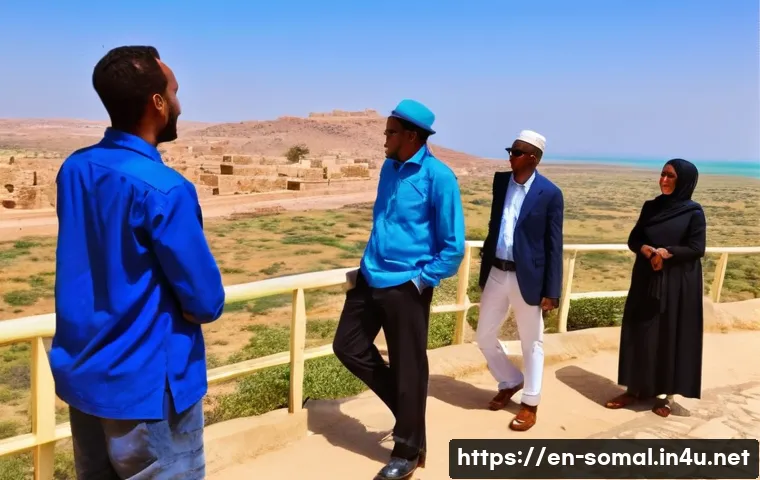
Have you ever wondered about visiting a place off the beaten path, somewhere that sparks your curiosity, like Somaliland? It’s a fascinating region in the Horn of Africa, often overshadowed by its neighbor, Somalia, but with its own unique identity and incredible story of resilience.
When I first started researching Somaliland, one of my biggest questions, naturally, was about language. Could I get by with English? Would I be able to connect with people, conduct business, or simply order a delicious local meal without a constant struggle?
My own experiences tell me that understanding the local language landscape is absolutely crucial for any traveler, whether you’re there for tourism, business, or even just exploring future opportunities.
You see, language isn’t just about words; it’s the heartbeat of a culture, a direct line to genuine connection. There’s a pervasive myth that English is universally understood, but I’ve learned firsthand that reality can be far more nuanced, especially in regions with rich, distinct linguistic histories.
And for a place like Somaliland, actively seeking international engagement and economic growth, the role of English is evolving rapidly, creating both exciting possibilities and a few unique challenges.
Let’s delve deeper into what you can truly expect regarding English usage there, and how you can best prepare for your visit. It’s definitely more interesting than you might think!
We’ll explore this together and I’ll lay out exactly what you need to know to make your trip a resounding success.
Navigating the Linguistic Landscape: More Than Just “Hello”
When I first touched down, the vibrant sounds of Hargeisa hit me, a symphony of Somali and Arabic. It’s easy to assume, especially from afar, that English might be widely spoken everywhere, but my travels have shown me that the reality is wonderfully complex.
While Somali is undoubtedly the official language and the beating heart of daily communication, English surprisingly pops up in many crucial areas. I quickly learned that while a friendly “Maalin Wanaagsan” (Good Morning) in Somali goes a long way, especially with older generations, you’ll often find younger people, particularly in the bustling urban centers, more comfortable with English.
It’s not just a matter of convenience; it’s a sign of a globally connected generation. What truly struck me was the enthusiasm of many Somalilanders to practice their English skills, often eager to chat and exchange stories, which made my initial moments of trepidation quickly melt away.
It’s a real testament to their welcoming spirit and their desire to engage with the outside world. I’ve often found myself in delightful conversations with shopkeepers and students alike, where we’d start in a mix of limited Somali and English, eventually settling into a comfortable rhythm of shared understanding.
This isn’t just about getting directions or buying something; it’s about making genuine human connections that truly enrich your travel experience.
The Urban Buzz: English in Hargeisa and Beyond
Hargeisa, the capital, is undeniably where you’ll experience the highest concentration of English speakers. It’s the nation’s economic and educational hub, and this reflects directly in its linguistic diversity.
Walking through the lively streets, I’d often overhear conversations peppered with English, especially around university campuses, government buildings, and larger businesses.
The energy there is palpable, a mix of traditional life and modern aspirations, and English acts as a key to unlocking many of those newer opportunities.
Beyond Hargeisa, in towns like Berbera with its critical port, or Burao, an important trade center, you’ll still find pockets of English fluency, particularly among those involved in trade, tourism, or higher education.
However, it’s fair to say that as you venture into more rural areas, the prevalence of English diminishes significantly, and a few basic Somali phrases become absolutely essential.
This dynamic contrast is part of what makes exploring Somaliland so fascinating; it keeps you on your toes and constantly adapting your communication style, which, for me, is half the fun of any international adventure.
I remember struggling a bit more in some smaller towns, but even then, a smile and a little effort went a long way, often leading to someone who *did* speak English being happily called over to assist.
Education and Media: Laying the Groundwork for English Fluency
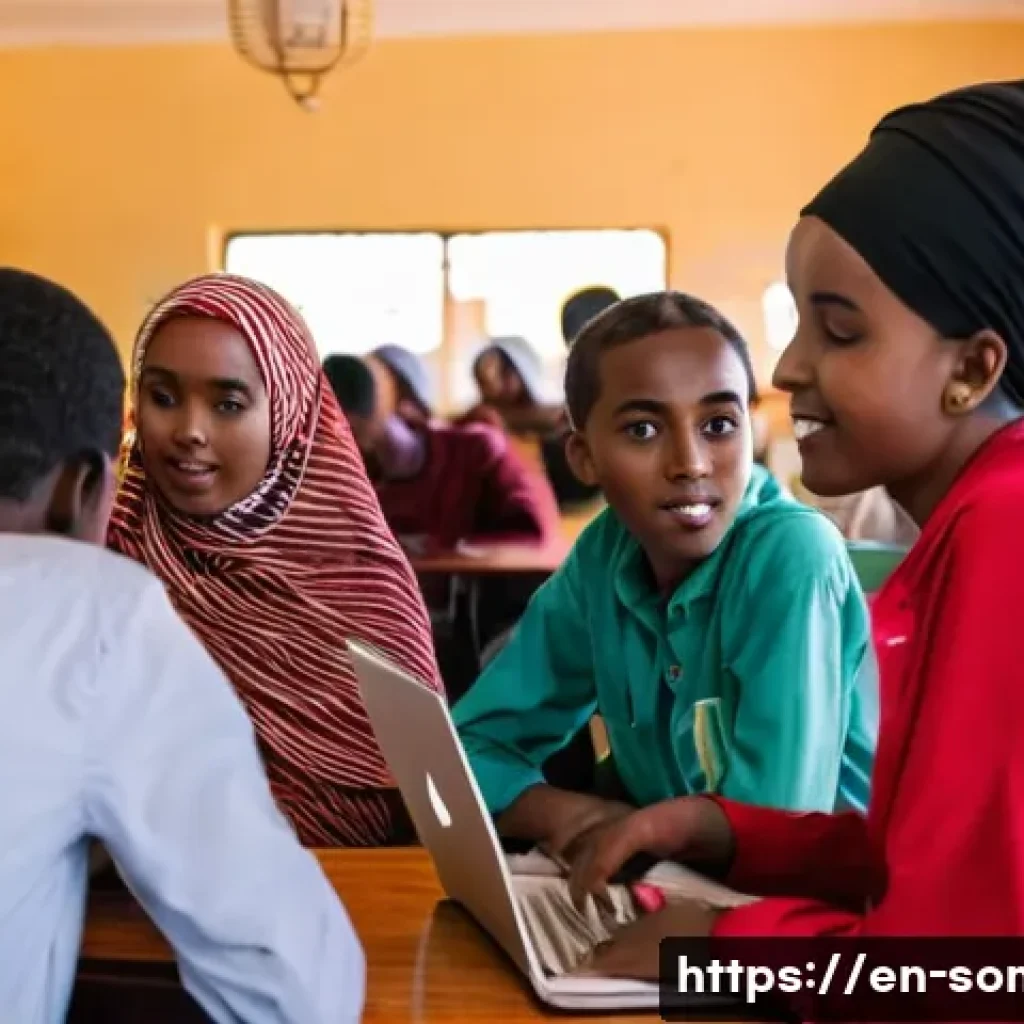
One of the primary drivers behind the growing English proficiency, particularly among the younger population, is the education system. English is a compulsory subject in schools from an early age, and many higher education institutions conduct their courses entirely in English.
This commitment to English education is a strategic move, aimed at empowering the youth with skills crucial for international trade, diplomacy, and accessing global knowledge.
I’ve visited several schools and universities during my travels, and the dedication of both students and teachers to mastering English is truly inspiring.
It’s not just about textbooks; they engage with English media, films, and music, immersing themselves in the language. Furthermore, English-language media, though not as widespread as Somali, plays a vital role.
You’ll find online news portals and social media discussions where English is regularly used, providing a platform for public discourse and global engagement.
This constant exposure, both academic and informal, creates a fertile ground for developing strong English communication skills, and you’ll often find the most articulate English speakers among students and young professionals.
Connecting Beyond Words: The Rise of English in Somaliland’s Hubs
It’s fascinating to see how English acts as a bridge in places where people from different regions or with varied backgrounds converge. In my experience, this is particularly true in places that serve as gateways or points of connection – think international aid organizations, bustling marketplaces with traders from across the Horn of Africa, or even just popular cafes where people gather to socialize and discuss current events.
The sheer diversity of people in these settings means that a common language is often needed, and English frequently steps in to fill that role. I’ve had some of my most memorable conversations over a cup of camel milk tea, where a group of individuals from different linguistic backgrounds effortlessly switch to English to ensure everyone is included in the discussion.
It’s less about replacing local languages and more about supplementing them, creating a more inclusive environment for those who might not share the same dialect of Somali, or indeed, who are visitors like us.
This kind of organic adoption of English really highlights its practical utility and its role in fostering cross-cultural understanding.
Tourism and Hospitality: A Welcome Mat for English Speakers
If you’re visiting Somaliland for tourism, you’ll be relieved to know that English is quite common within the hospitality sector. Hotels, guesthouses, and tour operators, especially those catering to international visitors, almost invariably have staff who are proficient in English.
This was a huge comfort for me, as it allowed for smooth bookings, easy navigation of local attractions, and insightful conversations with guides who could truly bring the history and culture to life.
I’ve found that even smaller establishments are making an effort to ensure at least one or two staff members can communicate in English, understanding that it’s crucial for attracting and serving foreign guests.
My advice? Don’t hesitate to ask; you’ll often be pleasantly surprised. It makes a world of difference when you can easily explain your dietary restrictions or inquire about local customs without a language barrier.
This sector’s reliance on English truly makes Somaliland an accessible destination for adventurous travelers from around the globe.
Expatriate and NGO Communities: English as the Lingua Franca
Somaliland hosts a significant number of international non-governmental organizations (NGOs) and expatriate workers, all of whom operate primarily in English.
These communities are vital for various development projects and humanitarian efforts across the region. For anyone looking to engage with these organizations, or even just interact with their personnel, English is the undisputed lingua franca.
I’ve seen firsthand how meetings, reports, and daily communications within these spheres are conducted almost exclusively in English. This creates pockets of high English fluency and an environment where English is not just understood, but actively used for professional and social interaction.
It also means that if you find yourself needing assistance or information in an emergency, seeking out these communities can be a reliable avenue for clear English communication.
Their presence really underscores the practical importance of English in Somaliland’s international relations and development landscape.
Business and Education: Where English Truly Shines
In my observation, the professional and academic realms are perhaps where English truly solidifies its position as an essential language in Somaliland.
It’s not just a convenience; it’s a necessity for upward mobility and integration into the global economy. Companies that engage in international trade, for instance, conduct the bulk of their correspondence, contract negotiations, and internal meetings in English.
I’ve personally seen numerous instances where local entrepreneurs, eager to expand their reach, invest significant time and resources into improving their English proficiency, understanding that it’s a direct gateway to new markets and partnerships.
This proactive approach by the business community is a clear indicator of English’s strategic value, moving beyond mere communication to becoming a fundamental tool for economic growth and innovation.
Higher Learning: The English Foundation of Knowledge
As I mentioned, the role of English in Somaliland’s higher education system is paramount. Universities and colleges predominantly use English as the medium of instruction for a vast array of subjects, from medicine and engineering to business and IT.
This means that a significant portion of the country’s educated youth are not only fluent in English but also possess specialized vocabulary in their respective fields.
When I engaged with university students, I was consistently impressed by their ability to articulate complex ideas and discuss intricate topics in English.
It’s a deliberate policy choice, allowing students access to a wider pool of academic resources, research papers, and international collaboration opportunities.
For any traveler or professional looking to engage with academic institutions or collaborate on research, a solid command of English will ensure seamless interaction and fruitful exchanges.
This educational backbone is creating a generation that is truly multilingual and globally competitive.
The Corporate World: Global Connections Through English
Within Somaliland’s corporate landscape, particularly in sectors like telecommunications, banking, and import/export, English is often the working language.
Major companies, understanding the importance of international connectivity and attracting foreign investment, prioritize English proficiency among their staff.
This isn’t just about external communications; internal memos, reports, and strategic planning documents are frequently drafted in English to ensure clarity and consistency within a diverse workforce that might include individuals from various Somali clans or even international consultants.
My own observations in several business settings revealed a dynamic where English facilitates not only international dealings but also internal operational efficiency.
It’s fascinating to see how a shared global language can streamline processes and foster a more cohesive working environment in a place with such a rich local linguistic heritage.
If you’re considering business ventures or professional engagements here, rest assured that English will be your most reliable communication tool.
Everyday Encounters: Getting By in the Markets and Cafes
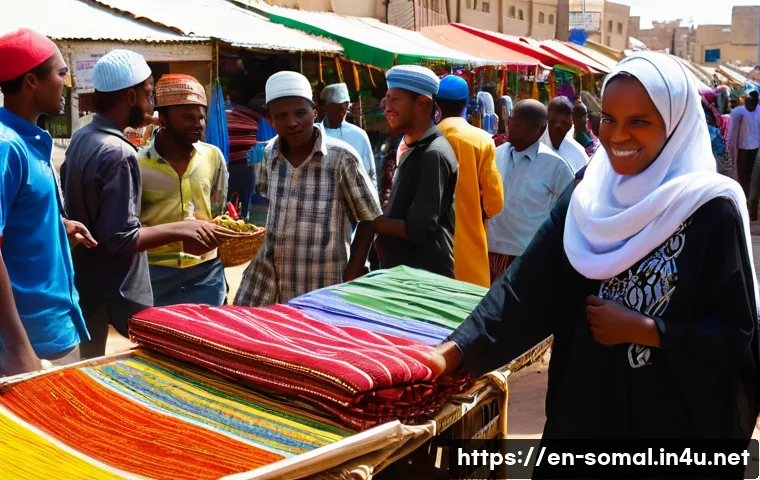
Stepping into the bustling markets of Somaliland is an experience for all the senses. The vibrant colors, the aroma of spices, and the lively chatter can be exhilarating, and sometimes, a little overwhelming if you’re navigating a new language.
My personal experience has been a mix. While many vendors in local markets primarily speak Somali, especially in more traditional or rural areas, you’ll often find that the younger generation, or those who frequently interact with tourists or expatriates, will have at least a basic grasp of English.
I’ve found that a bit of patience, a friendly smile, and even some hand gestures go a very long way. It’s about breaking down barriers and showing respect for their language, even if you can’t speak it perfectly.
I remember one instance where I wanted to buy some traditional crafts, and after a short, good-natured mime, the shopkeeper’s son, who spoke excellent English, was called over to help.
These interactions, far from being frustrating, often become some of the most memorable parts of the trip, full of laughter and mutual understanding.
Navigating Public Transport and Services
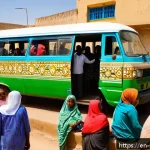
When it comes to public transport, like shared taxis or local buses, English can be a bit more sporadic. Drivers and conductors primarily use Somali, so it’s always a good idea to have your destination written down or be able to point it out clearly.
However, if you’re using more formal services like inter-city buses or seeking assistance at larger bus stations, you’re more likely to find staff who can communicate in English, especially at ticket counters.
Similarly, in other public services, such as government offices or larger health clinics, you’ll usually find English-speaking personnel, particularly in the bigger cities.
In my experience, even if the first person you encounter doesn’t speak English, they are almost always willing to find someone who does, making the process much smoother than you might initially anticipate.
It just requires a little extra patience and perhaps a friendly “Ma i caawin kartaa?” (Can you help me?) to start the conversation.
Ordering and Socializing: Cafes and Restaurants
The cafe culture in Somaliland is wonderful, and many establishments, especially in Hargeisa, cater to a diverse clientele. In these places, it’s quite common to find menus in English, and staff who can take your order and answer questions about the dishes.
This extends to many of the more established restaurants as well. I’ve had countless enjoyable meals where ordering in English was perfectly straightforward.
It’s also a fantastic place to socialize! I’ve often found myself striking up conversations with locals over a cup of Somali tea or a fresh juice, and English has frequently been the bridge for these spontaneous interactions.
Don’t be shy; people are generally very welcoming and curious. It’s in these relaxed, informal settings that you truly get a sense of the local pulse, and where English often facilitates some of the most genuine and heartwarming exchanges.
Beyond the Basics: Immersing Yourself in Local Dialects
While English certainly opens many doors, my travels have consistently reinforced the idea that a true immersion experience often begins with an attempt, however small, to engage with the local language.
In Somaliland, that means Somali. It’s the soul of the nation, and even learning a few basic phrases can dramatically enhance your interactions and demonstrate a deep respect for the local culture.
People truly appreciate the effort, and it often leads to warmer welcomes and more authentic experiences. I’ve found that trying to speak Somali, even if I stumble over the pronunciation, invariably breaks the ice and often prompts locals to then engage with me in English, sometimes even with a shared laugh over my attempts!
It’s a beautiful dance of linguistic exchange that makes every encounter memorable.
Key Somali Phrases for Deeper Connection
Learning a few essential Somali phrases isn’t just about practicality; it’s about connecting on a more personal level. Simple greetings like “Assalamu Alaikum” (peace be upon you) or “Subax Wanaagsan” (Good Morning) are fundamental.
Knowing how to say “Mahadsanid” (Thank you) and “Fadlan” (Please) will open many doors. When you combine these with English, you create a powerful communication toolkit.
I remember a time trying to negotiate for a rug in a smaller market. My rudimentary “Waa imisa?” (How much is this?) paired with a genuine smile instantly melted any potential tension, and the conversation quickly moved to a mix of English and Somali, resulting in a fair price and a shared appreciation for the cultural exchange.
These little linguistic efforts transform transactional interactions into meaningful moments.
The Beauty of Regional Nuances
Just like any language, Somali has its own regional variations and dialects. While the standard Somali spoken in Hargeisa is widely understood, venturing into different regions might expose you to slight differences in accent or even vocabulary.
This is part of the charm of exploring Somaliland! It’s something that even a fluent English speaker might not fully grasp without spending significant time on the ground, but being aware of it enriches your understanding of the country’s diverse cultural fabric.
I recall discussions with locals who explained the nuances of certain words or expressions depending on whether you were in the west or east of the country.
It’s a subtle reminder that language is alive and constantly evolving, reflecting the rich history and unique identities of the people who speak it. Embracing these small differences, rather than being intimidated by them, adds another layer of appreciation to your journey.
The Digital Gateway: Somaliland’s Online English Presence
In our increasingly interconnected world, the internet often serves as the first point of contact for many with a new destination, and Somaliland is no exception.
What I’ve found incredibly useful is the growing online presence of Somaliland, often presented in English. This digital footprint is a clear indicator of the country’s aspiration for international recognition and its embrace of global communication.
From official government websites to news portals, business directories, and vibrant social media communities, English serves as a crucial language for reaching an international audience and sharing the country’s story.
It’s often where I start my research, piecing together practical information and gaining insights into local perspectives before I even pack my bags.
Official Information and News in English
For anyone planning a visit or interested in Somaliland’s current affairs, finding official information in English is quite straightforward. Government ministries and agencies often maintain websites with English sections, providing details on regulations, investment opportunities, and tourist information.
This accessibility is a huge benefit for foreign visitors and potential investors, streamlining the process of understanding local protocols. Furthermore, several prominent Somaliland news outlets publish articles in English, offering valuable perspectives on local politics, social developments, and economic trends.
I rely on these sources to stay informed, and I’ve found them to be an excellent way to gauge the prevailing sentiments and understand the issues that matter most to the people.
This commitment to English-language information dissemination truly makes the country more transparent and approachable for a global audience.
Social Media and Online Communities: English as a Connector
Beyond official channels, English thrives in Somaliland’s online social spaces. Platforms like Facebook, Twitter (now X), and even local forums often feature discussions in English, especially among the younger, more globally-minded population and the diaspora.
These online communities are fantastic resources for asking questions, getting real-time advice from locals, and connecting with people who share similar interests.
I’ve often seen lively debates unfold in English, covering everything from local politics and cultural events to tech trends and travel tips. Engaging in these online spaces, even just by reading, gives you a unique window into the social fabric and contemporary thought of Somalilanders.
It’s an invaluable tool for any traveler seeking to go beyond the typical tourist experience and truly understand the pulse of the nation before, during, and after their visit.
My Personal Takeaways: Making the Most of Your Linguistic Journey
Reflecting on my own experiences in Somaliland, I’ve realized that approaching the language situation with an open mind and a dash of flexibility is key.
It’s not about finding a place where English is universally spoken, but rather appreciating where and how it functions as a bridge, while also embracing the beauty of the local language.
I’ve learned that even a few words of Somali can unlock deeper connections and a more genuine appreciation for the culture. It’s an adventure in itself, learning to navigate new linguistic landscapes, and it’s something that truly enriches the entire travel experience.
The people of Somaliland are incredibly resilient and welcoming, and their willingness to communicate, often bridging the language gap with a smile and a helping hand, is something I’ll always cherish.
Practical Tips for English-Speaking Travelers
So, how can you best prepare? First, don’t leave home without a few key Somali phrases in your pocket – greetings, thank you, please, and how much are excellent starters.
Even just a simple “Mahadsanid” after a transaction will be met with warmth. Second, embrace technology! Offline translation apps can be lifesavers for those moments when you’re truly stuck.
Third, don’t be afraid to ask. In my experience, if someone doesn’t understand you, they’ll often go out of their way to find someone who does. Fourth, head to the bustling areas like Hargeisa’s central market or popular cafes for more frequent English interactions.
Lastly, and perhaps most importantly, relax and enjoy the process. Communication is about more than just words; it’s about intent, respect, and human connection, and Somalilanders excel at all three.
Embracing the Blend: English and Somali Together
What I truly love about Somaliland’s linguistic environment is this unique blend of traditional Somali and the increasing prevalence of English. It’s a dynamic interplay that reflects a nation looking both inward to its rich heritage and outward to a global future.
For a traveler, this means you get the best of both worlds: the chance to immerse yourself in a distinct culture through its primary language, while also having the comfort of English as a reliable backup.
It makes for an incredibly rewarding journey, one where you’re constantly learning, adapting, and connecting. It’s a reminder that language is fluid, a living entity that shapes and is shaped by the people who speak it.
And in Somaliland, that story is particularly compelling and welcoming.
| Context/Area | English Proficiency Level | Notes for Travelers |
|---|---|---|
| Major Cities (Hargeisa, Berbera) | Moderate to High | Common in business, education, tourism, and with younger generations. |
| Rural Areas/Small Villages | Low to Minimal | Somali is dominant; essential to learn basic phrases. |
| Hospitality (Hotels, Tour Guides) | High | Staff often proficient; catering to international visitors. |
| Government Offices | Moderate | More likely in capital; key personnel may speak English. |
| Education (Universities) | High | English is often the medium of instruction. |
| Local Markets | Variable (Low to Moderate) | Younger vendors or those in tourist areas may speak some English. |
| Expat/NGO Communities | High | English is the primary working language. |
Concluding Thoughts
My journey through Somaliland has been nothing short of extraordinary, and the linguistic landscape I encountered was a huge part of that adventure. It’s a place where tradition and modernity beautifully intertwine, and where language acts as a vibrant thread connecting both.
While Somali is, and always will be, the heart of communication here, discovering the pockets where English thrives has truly enhanced my ability to connect, learn, and immerse myself in this captivating corner of the world.
It’s a testament to the warmth and welcoming spirit of the Somalilanders, who are always eager to bridge any communication gap with a smile and genuine effort.
Helpful Information for Your Journey
1. Embrace Basic Somali Phrases: Even a handful of words like “Mahadsanid” (Thank you), “Subax Wanaagsan” (Good Morning), and “Fadlan” (Please) will open doors and earn you immense goodwill with locals. It shows respect and a willingness to engage, which is always appreciated.
2. Hargeisa is Your English Hub: For the highest concentration of English speakers, especially in business, education, and tourism, plan to spend significant time in the capital, Hargeisa. It’s where you’ll find menus, signs, and conversations often peppered with English, making initial navigation much smoother.
3. Leverage Technology for Translation: Don’t underestimate the power of offline translation apps on your phone. They can be incredibly useful in a pinch, especially in more rural areas where English proficiency might be lower, helping you clarify directions or specific requests.
4. Seek Out Younger Generations: You’ll generally find that younger Somalilanders, particularly students and those working in customer-facing roles, are more proficient and often eager to practice their English skills. Don’t hesitate to engage them in conversation; it’s a great way to learn and connect.
5. Hospitality Sector is English-Friendly: When it comes to hotels, guesthouses, and tour operators catering to international visitors, expect a high level of English proficiency. This makes booking accommodations, arranging transport, and understanding local attractions much easier and less stressful.
Key Takeaways for a Smooth Trip
From my personal experiences crisscrossing Somaliland, the key to navigating the linguistic landscape successfully truly lies in a blend of preparation and flexibility.
You’ll quickly discover that English acts as a crucial bridge, particularly in urban centers and sectors focused on international engagement. This means that while you won’t always find English speakers in every corner, especially as you venture off the beaten path, there are consistent and reliable avenues for clear communication.
The education system’s strong emphasis on English has created a generation that is not only conversant but often articulate, making interactions with students and young professionals incredibly enriching.
Moreover, the hospitality industry has embraced English as a necessity, ensuring that travelers feel welcome and understood. Ultimately, your journey will be greatly enhanced by learning a few basic Somali phrases, while confidently relying on English for more complex interactions and professional engagements.
It’s this beautiful dance between local tradition and global connectivity that makes Somaliland such a unique and rewarding destination for the adventurous traveler, offering both the comfort of familiar communication and the thrill of cultural immersion.
Frequently Asked Questions (FAQ) 📖
Q: How widely is English truly spoken in Somaliland, especially in daily interactions and outside of major cities?
A: Oh, this is such a crucial question for anyone planning a trip! When I first started digging into Somaliland, I had the same thought: “Can I actually converse with people?” And what I’ve personally found is that English proficiency varies quite a bit, but it’s more prevalent than you might initially assume.
In places like the capital, Hargeisa, and other larger towns such as Berbera or Burao, you’ll find that many younger people, especially those in business, government, and the education sector, have a good grasp of English.
They learn it in schools, and with the increasing global connectivity, it’s becoming more and more a part of their daily professional lives. My experience tells me that if you’re at a hotel, an airport, or even some of the more established shops, you’ll likely find someone who can communicate quite effectively in English.
This is particularly true for anyone involved in tourism or international affairs. However, as you venture into more rural areas or engage with older generations who might not have had the same educational opportunities, the reliance on Somali becomes much higher.
Don’t expect everyone to be fluent, but in the places a typical visitor would frequent, you’re often in luck. I’ve had some wonderful, in-depth conversations in English with entrepreneurs and students there, which just goes to show how much they value connection and opportunity!
Q: If I’m visiting Somaliland for either tourism or business, will English be enough to navigate my trip successfully, or should I consider learning some basic Somali?
A: This is where my personal philosophy on travel truly kicks in: while English will absolutely get you a long way, especially in urban centers and for most transactional interactions, making an effort to learn even a few basic phrases in Somali goes miles further.
For tourists, you’ll manage perfectly well with English for booking hotels, ordering food in bigger restaurants, and arranging transport with tour operators.
The younger crowd, often working in these sectors, is usually quite proficient. For business travelers, English is the primary language of international commerce, so you’ll conduct meetings and negotiations in English with professionals.
However, I’ve always found that even a simple “Assalaamu Alaykum” (peace be upon you) or “Mahadsanid” (thank you) can instantly break down barriers and foster a sense of genuine connection.
It shows respect for their culture and a willingness to engage beyond just the necessities. My own trips have been infinitely richer when I’ve tried to speak a few local words, even if my pronunciation was hilariously off!
People genuinely appreciate the effort, and it often leads to warmer interactions and deeper insights into the local way of life. So, while English is your trusty foundation, sprinkle in a little Somali – it’s a game-changer!
Q: Are there any specific communication challenges or nuances for English speakers in Somaliland, and what are your best tips for smoothing things over?
A: Oh, absolutely, there are always those little nuances, aren’t there? It’s part of the fun of international travel! One thing I’ve noticed is that while many people speak English, the accent can sometimes be a bit different from what you might be accustomed to, especially if you’re used to American or British English.
Sometimes, you might need to speak a little slower and be patient, not because they don’t understand, but just to ensure clarity. Another challenge, which is common anywhere you go, is when technical or very specific jargon comes into play.
For instance, in a complex business negotiation, relying solely on casual English might lead to minor misunderstandings. In those scenarios, if the stakes are high, I’d highly recommend considering a local interpreter who can bridge any linguistic or cultural gaps.
My top tip, based on many wonderful (and sometimes slightly confusing!) conversations, is to always maintain a friendly demeanor, use clear and concise language, and don’t be afraid to politely ask for clarification if something isn’t clear.
A smile and a bit of patience can resolve almost any communication hiccup. And honestly, embracing a little bit of good-natured misunderstanding can sometimes lead to the most memorable and heartwarming travel stories!
It’s all part of the adventure, my friends.