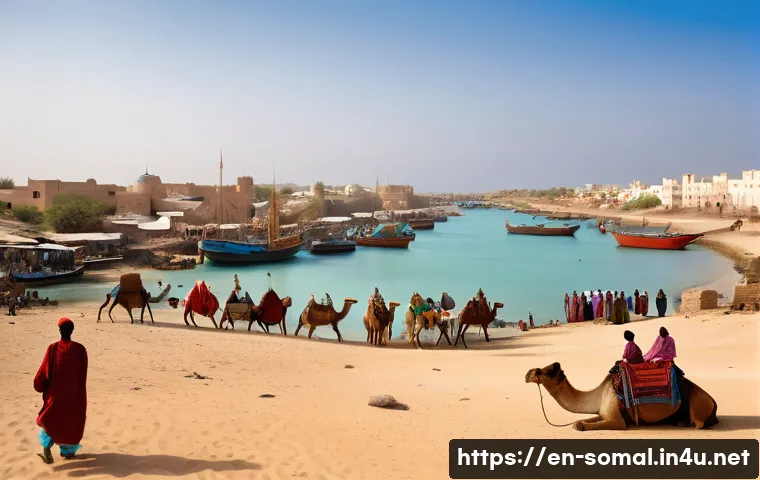
Hey there, fellow culture explorers! You know how much I love diving into the heart of a place, discovering those hidden gems that truly tell its story.
Well, today, I want to take you on a captivating journey to Somaliland, a region brimming with an artistic soul that’s often overlooked. When I think about Somaliland, my mind immediately conjures images of vibrant colors, intricate patterns, and the skilled hands that bring these traditional crafts to life.
From the beautifully woven baskets that carry generations of stories to the unique wooden artifacts that have served daily life for centuries, there’s a tangible warmth and history in every piece.
It’s more than just art; it’s a living testament to a rich heritage and incredible ingenuity. I’ve been so fascinated by how these artisans blend practicality with profound cultural meaning, using locally sourced materials to create something truly extraordinary.
Get ready to be amazed, because in the following sections, we’re going to uncover the full beauty and significance behind these incredible Somaliland crafts.
Weaving Tales: The Soul of Somaliland’s Textiles
Stepping into the world of Somaliland’s woven crafts is like unraveling a vibrant tapestry of history and daily life. I’m always blown away by the sheer artistry and patience that goes into each piece. Imagine baskets, called ‘dambi,’ meticulously hand-woven from dried palm leaves or brightly dyed sisal fibers, not just for carrying goods but as stunning decorative items that tell a story with every twist and turn of the weave. I’ve seen some with geometric patterns so complex, you’d swear they were designed by a computer, yet they’re the product of human hands and generations of passed-down knowledge. It’s not just about the beauty, though; these aren’t just pretty things to look at. They’re deeply integrated into everyday Somaliland life, from serving food during gatherings to being used for storage in homes. The colors are often bold and striking, reflecting the arid landscape and the vibrant spirit of the people. Seriously, holding one of these baskets, you can almost feel the sun on your skin and hear the chatter of a bustling market. It’s an experience, not just an observation.
The Art of Basketry and Mats
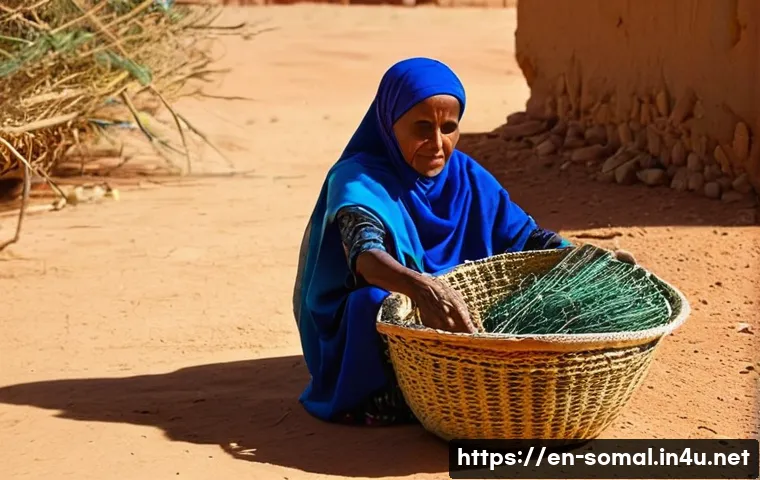
The variety in Somaliland basketry is truly remarkable. From sturdy, large storage containers to delicate, small lidded baskets for personal items, each piece serves a unique purpose. The techniques used are ancient, passed down through families, with mothers teaching daughters the intricate patterns and durable weaving styles. Beyond baskets, the woven mats, or ‘fadhido,’ are equally impressive. They’re often used as floor coverings, prayer mats, or even as temporary shelters, showcasing incredible adaptability and resilience. The natural dyes, often derived from local plants, give each mat a unique hue, making every single one a one-of-a-kind creation. I recall seeing an elderly woman meticulously weaving outside her home, her fingers moving with a rhythm that spoke of decades of practice. It was such a peaceful, yet powerful, testament to the enduring human spirit and connection to craft.
Symbolism in Every Stitch
What truly fascinates me about these woven wonders isn’t just their practical use or aesthetic appeal, but the layers of meaning embedded within them. Many patterns and color combinations carry symbolic significance, representing aspects of nature, community, or even personal stories. For instance, certain designs might be associated with prosperity, protection, or hospitality. When you’re gifted a beautifully woven item in Somaliland, you’re not just receiving a present; you’re receiving a piece of culture, a narrative told through fibers. It’s a subtle language that speaks volumes to those who understand it, and even to an outsider like me, the warmth and intention behind the craftsmanship are palpable. It truly makes you appreciate the depth of thought and care that goes into items we might otherwise take for granted.
Clay & Culture: The Enduring Spirit of Pottery
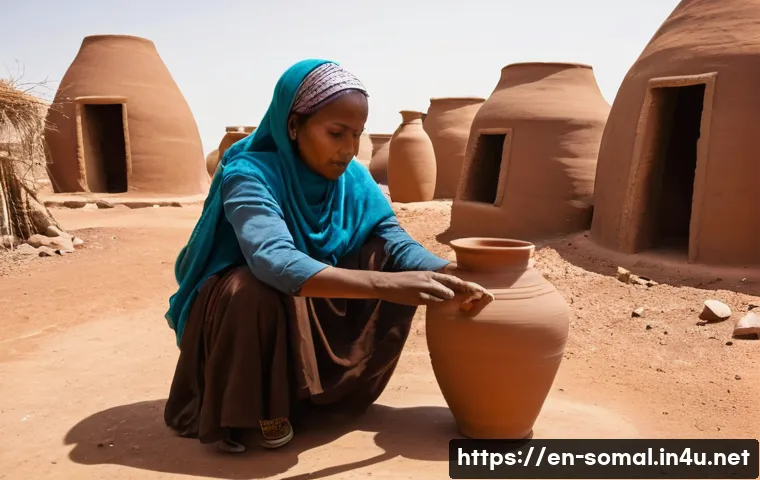
Moving from woven textiles to the sturdy world of pottery, you encounter another facet of Somaliland’s rich artistic landscape. The pottery here tells a story of survival, utility, and a deep connection to the earth. While perhaps less ornate than some other global traditions, Somaliland pottery is incredibly practical and robust, reflecting the needs of a largely pastoral society. I remember visiting a small village where the local potters were still using traditional methods, hand-shaping clay dug from nearby riverbeds. There’s something so grounding about watching raw earth transform into a vessel that will hold water, milk, or grains. These aren’t mass-produced items; they are crafted with intention, often by women, who understand the properties of the clay and the needs of their community. The texture, the weight, the slightly uneven surface – it all speaks to its handmade origin and the incredible skill involved in shaping something so essential from basic materials.
From Earth to Vessel: Traditional Pottery Techniques
The techniques for creating pottery in Somaliland are largely traditional and have remained unchanged for centuries. Potters usually don’t use a wheel; instead, they employ coiling and pinching methods, slowly building up the form of the pot from the base. After drying, the pieces are often fired in open kilns, sometimes simply in pits with firewood, which imparts a unique smoky finish and varying shades of brown and ochre. This low-tech, high-skill approach is truly mesmerizing to witness. The resulting vessels, like water jars (‘dhiil’) or cooking pots, are incredibly durable, designed to withstand the rigors of daily use in a challenging environment. It’s not about achieving perfect symmetry, but about creating a functional, beautiful object that serves its purpose faithfully. My respect for these artisans deepened immensely after seeing the dedication and physical effort involved in bringing these essential items to life.
The Heart of the Home: Practicality and Preservation
Somaliland pottery is, at its core, about practicality. These aren’t just display pieces; they are integral to the daily rhythm of life. Water storage is crucial, and the porous nature of some traditional clay pots helps keep water cool through evaporation, a simple yet ingenious solution in a hot climate. Cooking pots are designed to sit directly on open fires, their sturdy construction enduring high heat. Beyond their utility, these pots also represent a link to the past, a continuation of ancestral practices. In a world increasingly dominated by plastic and mass production, seeing these handcrafted clay items still in use, still cherished, is a powerful reminder of the value of tradition and sustainability. It’s a way of life that values resilience and resourcefulness, traits I deeply admire and find incredibly inspiring.
Carving Connections: Woodwork’s Timeless Legacy
There’s a rugged elegance to Somaliland’s traditional woodwork that really captures my imagination. Unlike the intricate weaves or earthy pottery, wooden crafts here often boast bold, clean lines and a powerful simplicity, reflecting both the available resources and the practical needs of the people. When I first encountered some of these pieces, I was struck by how beautifully they blend form and function. Think of the carved wooden bowls (‘bakhaal’), often used for serving camel milk or water, or the sturdy wooden headrests (‘barkimo’) that offer comfort and support in a nomadic lifestyle. These aren’t just utilitarian items; they’re heirlooms, passed down through generations, each bearing the marks of use and time, imbued with family history. The wood itself, often acacia or other local hardwoods, has a beautiful grain that’s allowed to shine through, sometimes with subtle etched patterns or burnished finishes. It’s a testament to the skill of the carvers that they can transform a rough log into something so smooth, balanced, and perfectly functional with seemingly simple tools.
Crafting Utility: Bowls, Utensils, and Headrests
The range of wooden crafts is surprisingly diverse, considering the limitations of tools and materials. Artisans create everything from large communal serving bowls to smaller individual cups, often with ergonomic designs that fit perfectly in the hand. Utensils like spoons and ladles are also meticulously carved, making meal times not just a necessity but an experience rooted in tradition. One of the most iconic wooden items is the headrest, a brilliantly practical invention that elevates the head, protecting intricate hairstyles and providing comfort during sleep, especially in open-air conditions. These headrests are often personalized, becoming a truly intimate possession. I’ve always admired how these seemingly simple objects are designed with such a deep understanding of human needs and environmental realities, a true testament to ingenious problem-solving through art.
The Soul of the Tree: Materials and Meaning
The choice of wood itself is crucial and often holds significance. Local hardwoods are preferred for their durability and natural beauty. The carvers have an intimate knowledge of the properties of different trees, understanding which wood is best for a particular item. Beyond the practical, there’s a spiritual connection to the wood; it’s seen as a living material, and the act of carving is often a respectful transformation. The smooth, polished surfaces of well-used wooden items speak volumes about their journey through time and the hands that have held them. It’s not just a piece of wood; it’s a piece of the land, shaped by human artistry, carrying the whispers of generations. I find that deeply moving and a powerful reminder of how art can connect us not only to our ancestors but also to the natural world around us.
Adornment & Identity: The Art of Somaliland Jewelry
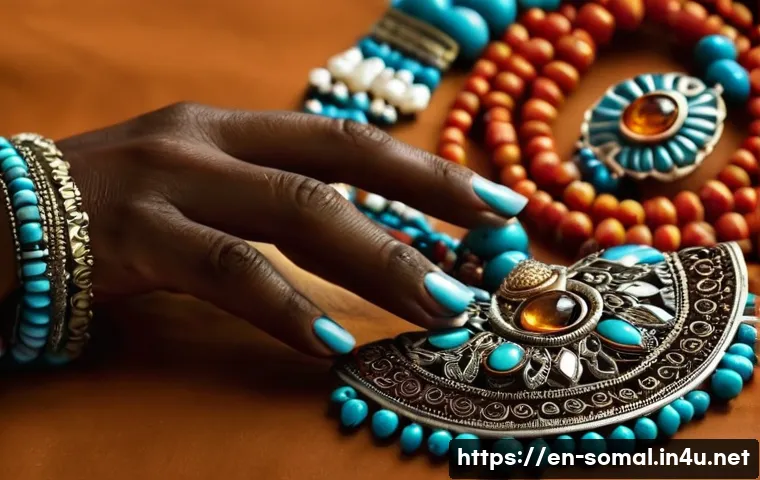
When we talk about traditional crafts, it’s impossible to overlook the captivating world of Somaliland’s jewelry. For me, these pieces are more than just accessories; they are powerful statements of identity, status, and cultural heritage, often imbued with deep personal and communal significance. I’ve always been drawn to the raw beauty and intricate detail of traditional African jewelry, and Somaliland’s offerings are no exception. Imagine delicate silver necklaces, often adorned with amber, coral, or colorful glass beads, each element carefully chosen for its aesthetic appeal and sometimes, its protective properties. You’ll also find heavier, more ornate pieces worn for special occasions, reflecting a family’s prosperity or a woman’s marital status. What truly resonates with me is how these pieces are often handcrafted, using techniques passed down through generations of jewelers, ensuring that each piece carries a unique story and a connection to the past. They’re not just shiny objects; they’re wearable art, steeped in meaning.
Silver, Beads, and Natural Elements
Traditional Somaliland jewelry primarily utilizes silver, often hammered and intricately filigreed, combined with a variety of natural elements. Amber, a fossilized tree resin, is highly prized for its warm hues and ancient origins, believed by some to possess protective qualities. Red coral beads, often sourced from the Red Sea, add a vibrant splash of color, while various other natural seeds, shells, and stones are incorporated to create unique textures and patterns. It’s a testament to the artisans’ creativity that they can transform these diverse materials into cohesive, beautiful adornments. I love how the imperfections in natural elements, like the unique swirls in amber or the slight variations in coral, add to the character and authenticity of each piece, making them feel incredibly personal and alive. These are the kinds of details that machine-made jewelry simply can’t replicate, and it’s why I cherish handmade pieces so much.
Beyond Beauty: Symbolism in Adornment
The jewelry in Somaliland is rich with symbolism. Beyond simply looking good, pieces often convey important information about the wearer – their age, marital status, tribal affiliation, or even their aspirations. For instance, certain types of necklaces might be traditionally worn by married women, while specific bead patterns could signify a particular clan. Bracelets and anklets, too, often carry protective meanings or are worn as a sign of spiritual connection. The act of wearing these pieces is a celebration of identity and tradition, a visible link to one’s heritage. I find it fascinating how culture is literally worn on the body, a living canvas expressing personal and collective stories. It’s a beautiful way to keep traditions alive and to visually communicate one’s place in the world, something I think we could all learn from in our increasingly homogenized modern societies.
Beyond the Brush: Everyday Artistry in Somaliland Homes
Sometimes, the most profound artistry isn’t found in galleries or museums, but in the everyday objects that fill our homes and lives. In Somaliland, this couldn’t be truer. It’s the subtle details, the thoughtful arrangements, and the inherent beauty in functional items that truly showcase a vibrant artistic sensibility woven into the fabric of daily existence. Think about the way a simple tea set is laid out, or the colorful textiles used to demarcate spaces in a nomadic dwelling. It’s not about grand statements, but about elevating the ordinary through careful craftsmanship and an innate sense of aesthetics. I’ve often noticed how even the most utilitarian objects, like gourds used for serving, are polished and adorned with simple, elegant etchings. This kind of pervasive artistry, where beauty and purpose are inseparable, truly speaks to the heart of a culture that values handmade quality and visual harmony, even in the most humble settings. It’s a wonderful reminder that art isn’t just something to be consumed, but something to be lived with and integrated into every moment.
Functional Beauty: Gourds, Carved Containers, and More
One of my favorite examples of this everyday artistry comes from the ingenious use of gourds. These aren’t just dried shells; they are carefully cleaned, sometimes polished, and often decorated with intricate patterns etched into their surface. They become versatile containers for food, drink, or storage, each one a unique piece of natural art. Similarly, I’ve seen beautifully carved wooden spoons and ladles, not just for practical use but with handles that feel pleasing to the touch and subtle decorative elements that elevate them far beyond mere tools. The attention to detail in these items, which might be overlooked in other cultures, is a testament to the Somaliland approach to craft: if something is worth making, it’s worth making well and beautifully. It makes such a difference in how one experiences daily routines when surrounded by objects crafted with such care and artistic flair.
Adorning Spaces: The Aesthetics of Home Life
Beyond individual objects, the way homes are arranged and adorned also speaks volumes about Somaliland’s aesthetic sense. Even in nomadic or semi-nomadic settings, there’s a conscious effort to create comfortable and visually pleasing spaces. Colorful woven mats not only define living areas but also add warmth and texture. The carefully stacked baskets, each with its unique pattern, become sculptural elements in themselves. It’s a minimalist aesthetic born out of necessity, yet executed with an undeniable artistic touch. There’s a natural harmony in how everything fits together, reflecting a deep respect for both tradition and resourceful living. I find this approach incredibly refreshing and inspiring – it teaches us that true artistry doesn’t require extravagance, but rather thoughtful intention and appreciation for the materials and skills at hand.
Here’s a quick overview of some of the incredible crafts we’ve explored:
| Craft Category | Key Materials | Common Uses | Cultural Significance |
|---|---|---|---|
| Weaving (Baskets & Mats) | Palm leaves, sisal fibers, natural dyes | Storage, serving food, floor coverings, prayer mats | Symbolizes hospitality, community, daily life |
| Pottery | Local clay, earth pigments | Water storage, cooking, milk containers | Represents sustainability, tradition, essential needs |
| Woodwork | Acacia, local hardwoods | Bowls, utensils, headrests, small furniture | Reflects resilience, heritage, practical ingenuity |
| Jewelry | Silver, amber, coral, glass beads, natural seeds | Personal adornment, indicators of status/identity | Carries spiritual meaning, celebrates lineage, protection |
| Gourds & Home Items | Dried gourds, natural wood, textiles | Containers, serving implements, home decor | Elevates everyday utility to an art form, resourcefulness |
The Future Threads: Sustaining Somaliland’s Craft Heritage
As much as I adore exploring these incredible traditions, I also find myself pondering the future of Somaliland’s craft heritage. In an increasingly globalized world, it’s a real challenge for traditional artisans to sustain their livelihoods and pass on their invaluable skills. The allure of mass-produced goods, while often cheaper, simply can’t compare to the soul and story woven into a handmade basket or the tactile history of a carved wooden bowl. That’s why I get so excited when I see initiatives aimed at supporting these artisans. It’s not just about preserving old techniques; it’s about empowering communities, especially women, who are often the primary keepers of these crafts. By providing fair wages, access to markets, and opportunities for training the next generation, we can ensure that these vibrant artistic traditions don’t just survive but truly thrive. It’s about recognizing the immense cultural and economic value these crafts bring, both locally and globally. Every purchase, every shared story, contributes to this vital effort, and that’s something truly inspiring to be a part of.
Empowering Artisans, Preserving Skills
Many artisans in Somaliland face significant hurdles, from limited access to raw materials to challenges in reaching broader markets. However, there’s a growing movement to empower them through cooperatives and fair-trade initiatives. These organizations help connect artisans directly with buyers, cutting out middlemen and ensuring that a larger portion of the profit goes back to the creators themselves. More importantly, they provide platforms for knowledge sharing, allowing older generations to mentor younger ones, ensuring that the intricate weaving patterns, pottery techniques, and carving skills are not lost to time. I’ve always believed that investing in artisans is investing in culture itself, and seeing these direct impacts makes me feel incredibly hopeful for the future of these precious crafts. It’s a win-win: consumers get authentic, meaningful items, and artisans can continue their proud heritage.
Bridging Worlds: Local Art, Global Appreciation
One of the most exciting aspects of modern efforts to sustain these crafts is the way they’re starting to reach a global audience. Through online platforms and international craft fairs, Somaliland’s artisans are finding new admirers who appreciate the unique beauty and story behind each piece. This global interest not only provides crucial economic support but also instills a renewed sense of pride within the communities themselves. When people from different corners of the world value their heritage, it strengthens the resolve to preserve it. It’s a beautiful cultural exchange, where a hand-woven mat from Somaliland can find a place in a home halfway across the world, carrying with it a piece of history and human connection. As a lover of culture, I believe supporting these artisans is one of the most tangible ways we can help keep these incredible traditions alive and ensure that future generations can continue to be inspired by Somaliland’s rich artistic soul.
글을마치며
And just like that, our incredible journey through the vibrant world of Somaliland’s traditional crafts comes to a close! I truly hope you’ve felt the same wonder and appreciation I have for the hands that shape these beautiful objects, breathing life into clay, wood, fiber, and metal. Each piece, from the simplest woven basket to the most intricate silver adornment, carries a whisper of history, a testament to resilience, and the enduring artistic spirit of a truly remarkable culture. It’s been an absolute privilege to share these discoveries with you, and I hope it inspires you to look a little closer at the art that surrounds us, everywhere we go.
알아두면 쓸모 있는 정보
1. When seeking out Somaliland crafts, prioritize connecting directly with local artisans or reputable cooperatives. This ensures fair compensation for their invaluable work and helps sustain traditional practices.
2. Look for the unique imperfections that signify a handmade piece. These aren’t flaws, but rather the charming signatures of human touch and individual craftsmanship, making each item one-of-a-kind.
3. Consider the story behind the craft. Engaging with the history and cultural context of each piece deepens your appreciation and transforms it from a mere object into a meaningful artifact.
4. Many traditional crafts, like pottery or specific woven goods, often have practical uses beyond decoration. Learning about their original function can offer fascinating insights into daily Somaliland life.
5. Support initiatives that empower female artisans, as women are often the primary custodians of many traditional craft skills in Somaliland, playing a crucial role in passing down heritage.
중요 사항 정리
Somaliland’s traditional crafts are a rich tapestry of cultural identity, resilience, and ingenious artistry. From intricately woven baskets and robust pottery to beautifully carved woodwork and symbolic jewelry, each art form tells a unique story. These crafts are not merely decorative but are deeply integrated into daily life, reflecting centuries of passed-down knowledge, resourcefulness, and a profound connection to the natural environment. Supporting these vibrant traditions helps empower local communities and ensures this invaluable cultural heritage continues to thrive for generations to come, fostering a global appreciation for Somaliland’s unique artistic soul.
Frequently Asked Questions (FAQ) 📖
Q: What kinds of traditional crafts are truly unique to Somaliland, and what makes them stand out?
A: Oh, this is such a fantastic question! When I first started exploring Somaliland’s artistic landscape, I was struck by the sheer diversity, but a few things really jumped out at me as uniquely Somaliland.
First, you absolutely have to talk about the woven crafts. Think beyond just baskets – we’re talking about intricate mats like “caw” or “raar” that serve as everything from flooring to walls in traditional nomadic homes, and even beautiful, decorated “dhiil” milk containers.
What makes them special isn’t just their utility, but the way women traditionally weave these from local grasses and plant fibers like wild sisal, often incorporating natural dyes to create stunning geometric patterns.
It’s not just about making something useful; it’s about infusing daily life with beauty and tradition, often with patterns that have been passed down through generations.
Then there are the incredible wooden artifacts. Somali men are traditionally known for their skill in carving, creating everything from robust, two-legged stools that are both practical and symbolic of social status to beautifully carved “fandhaal” spoons and “koor” camel bells.
I’ve personally seen some of these pieces, and the craftsmanship is just astounding. The way they utilize local woods, like the Xagar tree for spoons or the Mareer tree for “hangool” (a versatile stick used by nomads), really shows a deep connection to their environment.
It’s a powerful blend of functionality, natural artistry, and cultural storytelling that you truly feel when you hold one of these pieces.
Q: I’m curious about the materials and techniques used. How do Somaliland artisans create such intricate pieces?
A: That’s where the magic truly happens, isn’t it? I’ve always been fascinated by how different cultures transform raw materials into works of art, and Somaliland artisans are masters of this.
For their woven goods, it’s all about indigenous plant fibers. They often use wild sisal, different types of grasses like “Qabo” or “Baar,” and even sapwood threads.
I heard stories about how some fibers are meticulously prepared by cutting, drying in pits with burned materials, and then buried for weeks to achieve the perfect pliability and strength.
Imagine the patience and knowledge that goes into that! The weaving itself is often done by hand, sometimes using a simple awl, creating dense, durable pieces with complex, often symbolic, patterns.
For the wood carvings, it’s all about the artisan’s eye and their deep understanding of local timber, such as the hardy Hagar wood. Traditional tools would have been quite basic, yet the precision and artistry achieved are mind-boggling.
They carve bowls, headrests, and those wonderful stools, often decorating them with incised patterns. It’s a testament to the skill honed over lifetimes and passed down through families.
It’s not about fancy workshops; it’s about hands-on knowledge and an intimate connection with nature’s bounty.
Q: Beyond their beauty, do these crafts carry deeper meanings or stories?
A: Absolutely, and this is what truly elevates Somaliland crafts from mere objects to living pieces of history and culture. Every stitch, every carve, every pattern seems to hold a whisper of the past, a connection to their heritage.
For example, those beautifully woven baskets I mentioned earlier? A Somali girl traditionally had to prepare several “xeero” baskets for her new home before getting married, each one often containing specific items like “odkac” (fried meat) and decorated with colorful ropes.
It’s not just storage; it’s a symbol of her new journey and the continuation of family traditions. Many traditional crafts carried symbolic meanings related to fertility, protection, and prosperity.
Even a simple wooden headrest isn’t just for comfort; it’s an item steeped in nomadic life, representing a connection to their mobile existence. The patterns you see on mats or carved into wood often aren’t just decorative; they can represent elements of nature, clan identities, or even tell abstract stories.
I find it incredible how these items, so functional in daily life, are also powerful communicators of cultural identity, resilience, and the deep-seated pride of the Somaliland people.
They are tangible links to a rich, poetic, and storytelling culture that values history and community above all else.