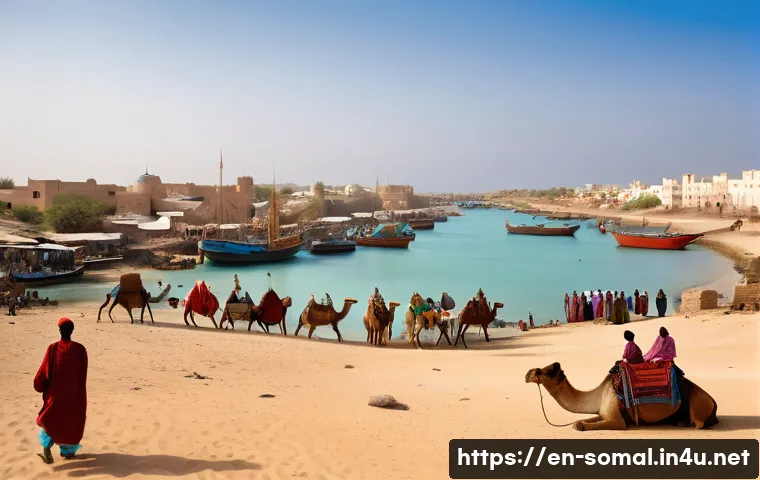
Hey fellow adventurers! Have you ever dreamt of exploring a truly off-the-beaten-path destination, a place brimming with ancient history and vibrant culture that few get to experience?
Somaliland often pops up on my radar as one of those incredible, intriguing spots, and trust me, it’s unlike anywhere else. But let’s be real, embarking on such an epic journey also means navigating the nitty-gritty, especially when it comes to getting all your ducks in a row for entry.
I’ve heard some wild stories and even personally felt that little flutter of anxiety thinking about visas and paperwork for unique places like this. You want your trip to be smooth sailing, not a headache at the border, right?
It’s not just about booking flights and packing your bags; understanding the specific documents needed for Somaliland is absolutely crucial to avoid any unexpected surprises.
Forget the guesswork and potential travel snafus. Let’s dive deep and get you fully prepared for your incredible Somaliland adventure!
Untangling the Somaliland Visa Adventure: What You Absolutely Need to Know
The Crucial First Step: Securing Your Entry Permit
Embarking on a journey to a destination as unique as Somaliland means getting your paperwork sorted is front and center. I’ve heard countless stories, and even had my own moments of panic, about navigating visa requirements for places far off the beaten path.
For Somaliland, it’s not just a formality; it’s your golden ticket. The most recent updates, and this is truly exciting for us adventurers, confirm that a Visa on Arrival (VoA) policy is firmly in place for many nationalities at the main international airports, Hargeisa Egal and Berbera International.
This is a game-changer, making entry significantly smoother than having to jump through hoops months in advance. However, and this is a big “however” that I personally stress to everyone, don’t let this ease lull you into complacency!
Planning is still paramount. The official line states that travelers entering via land borders or seaports still need to secure their visas in advance through a Somaliland embassy or liaison office.
So, depending on your itinerary – are you flying straight into Hargeisa or perhaps crossing from Ethiopia or Djibouti by land? – your approach will differ wildly.
Always double-check your specific nationality’s eligibility for VoA and the latest requirements before you even think about booking those flights. Trust me, it saves a world of stress.
Your Passport’s Role: Validity and Beyond
Your passport isn’t just a document; it’s practically your travel identity, and for Somaliland, its condition and validity are non-negotiable. I always recommend travelers treat their passports like precious cargo, especially when heading to destinations where even a minor anomaly can cause major headaches.
For Somaliland, your passport must be valid for at least six months from your intended date of entry. This isn’t just a suggestion; it’s a hard rule that immigration officials strictly adhere to.
I’ve personally seen travelers turned away at borders for less. Beyond validity, ensure you have a few blank pages for those all-important visa stamps.
While we might live in an increasingly digital world, many countries, including Somaliland, still rely on physical stamps to track your entry and exit.
A couple of fresh, unmarked pages can prevent any last-minute scrambling or awkward conversations at the immigration desk. It’s also vital to remember that a visa for Somalia is absolutely *not* valid for Somaliland; these are two distinct entities with their own separate immigration systems.
Don’t confuse them, or you’ll find yourself in a tricky situation!
Beyond the Visa: What Else to Keep Handy for a Seamless Entry
Proof of Your Travel Itinerary and Financial Stability
While the visa is a major hurdle, there are other documents that immigration officials might ask for to ensure your intentions are genuinely touristic and that you won’t overstay your welcome or become a burden.
I’ve found that having all your ducks in a row for these seemingly minor details can make a monumental difference in how smoothly your border experience goes.
This includes solid proof of onward or return travel – think flight bookings or confirmed bus tickets out of the country. It shows you have a plan to leave, which is reassuring for any immigration officer.
Moreover, being able to demonstrate sufficient funds for your stay is often a requirement. This doesn’t mean you need to flash wads of cash, but having an ATM card, a credit card, or even a recent bank statement can serve as proof.
From my own travels, I’ve learned that appearing prepared and organized instantly builds trust with immigration personnel, making the whole process quicker and less stressful.
It’s about showing respect for their procedures and their country.
The Power of a Local Connection: Accommodation or Invitation
Another critical piece of the puzzle, and one that often catches first-time visitors off guard, is the requirement for a local contact, address, or confirmed hotel accommodation.
I remember feeling a bit anxious about this for my first visit, but it really boils down to having a verifiable place you plan to stay. If you’ve booked a hotel, make sure to have your confirmation readily available.
For those planning a more adventurous stay, perhaps with friends or through a tour operator, an invitation letter can be incredibly helpful, even essential.
Some sources even indicate that for certain pre-arranged visas, an invitation letter is a standard part of the application. Having someone on the ground who can vouch for your visit provides a layer of security for both you and the authorities.
It’s not just about compliance; it’s also a practical safety measure in a new country.
Health Matters: Essential Vaccinations and Precautions
Yellow Fever Certificate: Your Mandatory Health Pass
When traveling to many parts of Africa, and Somaliland is no exception, certain health documents are just as important as your passport. The one that often comes up is the Yellow Fever vaccination certificate.
If you’re arriving from or have transited through a country with a risk of Yellow Fever transmission, this certificate isn’t optional; it’s absolutely required for travelers aged 9 months or older.
From personal experience, I can tell you that immigration officials do check this, and without it, you could face significant delays or even be denied entry.
The vaccination certificate is now valid for life, which is fantastic news for frequent travelers, but remember, it typically becomes valid 10 days after you receive the shot.
So, don’t leave this to the last minute! Schedule your vaccination well in advance of your departure.
General Wellness and Smart Travel Insurance
Beyond the mandatory Yellow Fever vaccine, it’s always a good idea to think about your general health and safety, which is something I’m a huge advocate for.
While Somaliland is generally stable, medical facilities outside of Hargeisa and Berbera can be limited. I always pack a small, comprehensive first-aid kit with essentials for cuts, scrapes, and traveler’s diarrhea.
But more importantly, I never travel without robust travel insurance. It’s that invisible safety net that gives you peace of mind, knowing that if anything unexpected happens – be it a medical emergency, lost luggage, or trip cancellation – you’re covered.
It might seem like an extra cost, but trust me, when you need it, it’s worth every penny. Think of it as investing in a smooth, worry-free adventure.
Navigating the Entry Point: What to Expect Upon Arrival
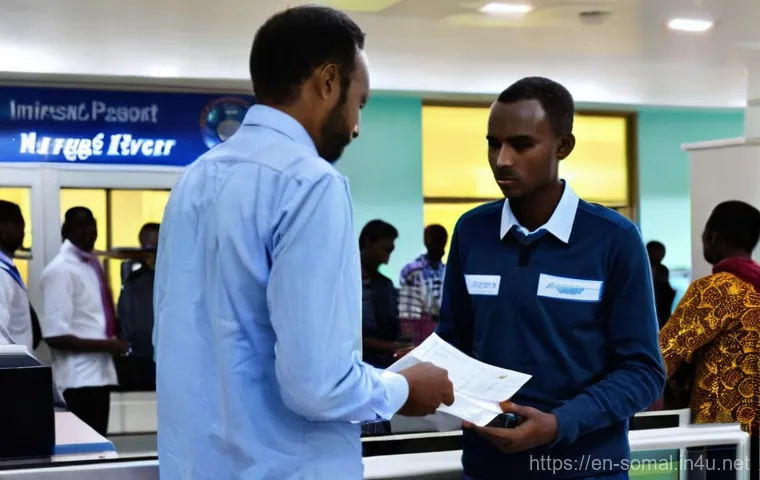
The Immigration Desk: A Face-to-Face Moment
Stepping off the plane and into Hargeisa or Berbera, you’ll quickly find yourself at the immigration desk, and this is where all your diligent preparation truly pays off.
I remember the slight flutter in my stomach the first time, wondering what to expect. Generally, if you have all your documents in order – passport, visa (or eligibility for VoA), and any supporting letters – the process is quite straightforward.
Immigration officers in Somaliland are typically professional and efficient. They’ll likely take your photograph and fingerprints upon entry, and sometimes again upon exit, which is a standard security measure they employ.
Just be prepared to present everything calmly and clearly, answer any questions truthfully, and you’ll find it’s a much less daunting experience than you might imagine.
A friendly demeanor and a clear understanding of your travel plans go a long way.
Customs and Your Belongings: The Rules of the Road
After immigration, you’ll move on to customs, and it’s important to be aware of the local regulations regarding what you can and cannot bring into the country.
Some rules are universal, like declaring large sums of cash (over $10,000 USD), but others are specific to the region. For instance, alcohol in any form is strictly prohibited in Somaliland, and travelers found with it will almost certainly have it confiscated.
On a lighter note, you’re generally allowed a reasonable amount of personal items, including up to 400 cigarettes, 40 cigars, or 400g of tobacco, and personal perfume.
The key here is always honesty. If you’re unsure about an item, it’s better to declare it. I always try to be culturally sensitive and respect local laws, and that includes being mindful of what I pack.
It’s all part of embracing the adventure!
Insider Tips for a Super Smooth Somaliland Entry
Paper Power: Photocopies and Digital Backups
This is one of my go-to travel hacks, especially for destinations where bureaucratic processes can sometimes be a little less predictable. Always, always, always make multiple photocopies of your passport, visa, and any other crucial travel documents.
I even go a step further and keep digital copies stored securely in the cloud or on my phone. Why? Because losing an original document in a foreign country is a nightmare no one wants.
Having copies can significantly speed up the process of replacement or simply help you navigate various checkpoints. I also find it helpful to carry a small, physical folder with all my printed documents, neatly organized.
It makes you look prepared and confident, which, in my experience, often translates to a smoother interaction with officials who appreciate efficiency.
Currency Matters: Having the Right Kind of Cash
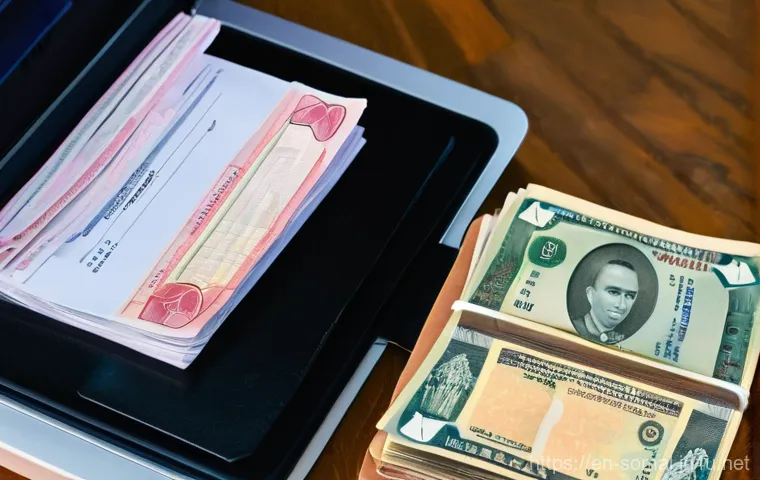
Money, specifically the right kind of money, can make your entry and initial days in Somaliland much easier. While the official fee for a Visa on Arrival is around $61 USD, and some sources indicate up to $100, it’s almost universally required to be paid in crisp, clean US Dollars cash.
I’ve learned the hard way that torn or heavily creased bills might not be accepted, so make sure your USD notes are in good condition. Having smaller denominations is also a smart move for initial expenses, transport from the airport, or any tips.
While major cities like Hargeisa will have ATMs, it’s wise to arrive with enough USD cash to cover your immediate needs, as card payments for visa fees are generally not accepted at the airport.
It just reduces one more potential point of friction as you begin your adventure.
Connecting Locally: The Value of Contacts and Guides
Leveraging Sponsor Letters and Invitation Documents
For certain travelers, especially those visiting for business or through specific organizations, a sponsor letter or invitation document can be an invaluable asset.
While not always a mandatory requirement for tourist visas obtained on arrival, having one can certainly streamline your entry and even be explicitly requested by authorities depending on your purpose of visit.
I’ve heard stories where an official invitation made all the difference, particularly for longer stays or non-tourist purposes. If you have contacts in Somaliland, such as a business partner, a local host, or a tour agency, having them prepare a formal letter outlining the purpose and duration of your visit can add a significant layer of legitimacy to your entry application.
It demonstrates a clear itinerary and a local point of contact, which is often viewed favorably by immigration officials. Don’t underestimate the power of a local connection to smooth things over!
The Wisdom of Engaging a Local Guide or Tour Operator
While solo travel has its undeniable allure, for a destination like Somaliland, I personally lean towards the wisdom of engaging a local guide or tour operator, especially for your initial entry and navigating beyond the capital.
These local experts are incredibly knowledgeable about the latest regulations, cultural nuances, and often have established relationships that can prevent minor travel hiccups from becoming major headaches.
They can even assist with securing necessary travel permits for exploring regions outside Hargeisa, which often require a Special Protection Unit (SPU) escort or a waiver.
From my experience, having someone on your side who speaks the local language and understands the system can transform a potentially complex journey into an enriching and stress-free exploration.
It’s an investment in both your safety and your ability to truly immerse yourself in the local culture.
Mind Your Money: Budgeting for Bureaucracy
Deciphering Visa Fee Structures
Let’s talk money, because let’s be real, no one wants unexpected costs to dent their travel budget. The visa fee for Somaliland, particularly for a Visa on Arrival, is a pretty consistent topic of conversation among travelers.
Official sources confirm the fee to be around $61 USD, payable upon arrival at the designated airports. However, it’s worth noting that some travelers have reported slightly varying figures, anywhere from $60 to $100 USD, depending on where they obtained their visa (e.g., at an embassy beforehand versus on arrival) or even the specific port of entry.
My advice? Always budget for the higher end of the reported range, just to be safe. It’s far better to have a few extra dollars than to find yourself short when you’re at the immigration counter.
Payment Methods and the Cash-Only Reality
This is a critical detail that many travelers, accustomed to ubiquitous card payments, often overlook. For your Somaliland visa, especially if you’re getting it on arrival, expect to pay in cash, and specifically, in USD.
Card payments are generally *not* accepted for visa fees at the point of entry. I always make sure to have fresh, crisp US dollar bills in various denominations to cover the exact fee.
It’s a small detail, but it can save you a lot of hassle and potentially a scramble to find an ATM or money changer in an unfamiliar airport environment right after a long flight.
Planning for this cash-only reality ensures your entry is as smooth and stress-free as possible.
Key Documents for a Smooth Somaliland Entry
| Document Type | Requirement | Important Notes |
|---|---|---|
| Valid Passport | Required | Must be valid for at least 6 months from entry date. Ensure blank pages for stamps. |
| Somaliland Visa | Required for all nationalities | Visa on Arrival available at Hargeisa & Berbera airports for many nationalities. Advance visa needed for land/sea entry. |
| Passport Photos | Recommended (2 copies) | Often requested for visa applications or upon arrival. |
| Yellow Fever Certificate | Conditional | Required if arriving from/transiting through a Yellow Fever risk country. Valid for life, but obtain 10 days prior to travel. |
| Onward/Return Ticket | Recommended | Proof of departure from Somaliland. |
| Proof of Funds | Recommended | Show sufficient means for your stay (cash, ATM card, bank statement). |
| Local Contact/Accommodation | Required | Hotel booking confirmation, invitation letter, or local contact details. |
Ensuring Cultural Sensitivity and Personal Security
Respecting Local Customs and Dress Codes
When you travel to a new country, especially one with a deeply rooted culture like Somaliland, showing respect for local customs isn’t just polite—it’s essential for a positive experience and your personal security.
I’ve always found that making an effort to understand and adhere to local norms goes a long, long way. For women, this means opting for long, loose-fitting clothing and carrying a headscarf, even though it may not be legally required, it is a sign of respect.
Men should also dress conservatively in long sleeves and pants. This isn’t about sacrificing your personal style; it’s about acknowledging and honoring the traditions of your hosts.
Locals will genuinely appreciate your efforts, and it can open doors to more authentic interactions and a warmer welcome. It also helps you blend in and avoid any unintended attention.
Navigating Security and Travel Permits Within Somaliland
While Somaliland is remarkably stable, especially compared to its neighbor Somalia, the government takes security very seriously, and travelers should be aware of certain protocols, particularly if you plan to explore beyond the capital.
I remember being advised about this on my first trip, and it quickly became clear why. For travel outside major towns, you will likely need to obtain a travel permit from the Ministry of Tourism, and often, an armed Special Protection Unit (SPU) escort is required.
While there might be waivers for certain routes, like between Hargeisa and Berbera, it’s always best to clarify these requirements with a local tour operator or your host.
Expect to encounter several checkpoints on major roads, where officials will likely ask to see your documents. Don’t be alarmed; this is part of their security measures.
Just have your documents ready, be polite, and the process is usually quick and friendly. Being informed and prepared for these realities ensures your journey remains an adventure, not a series of stressful surprises.
Closing Thoughts
And there you have it, folks – a deep dive into navigating the exciting adventure of entering Somaliland! It might seem like a lot of information, but trust me, a little preparation goes an incredibly long way when you’re venturing off the beaten path. From securing that all-important visa to understanding local customs, every step you take to be informed and respectful will enhance your experience tenfold. I truly believe that places like Somaliland offer some of the most authentic and rewarding travel experiences out there, precisely because they aren’t mainstream. So, go forth, be prepared, embrace the unique culture, and create some truly unforgettable memories. Happy travels!
Useful Information to Keep in Mind
1. Always Carry Small USD Bills: While the official visa fee is generally $61 USD, having crisp, smaller denominations of US dollars is a lifesaver for airport transfers, tips, and initial purchases. It makes transactions much smoother and avoids scrambling for change.
2. Learn Basic Somali Greetings: A simple “Assalaamu Alaikum” (peace be upon you) or “Maalin Wanaagsan” (good day) can open doors and warm hearts. Locals deeply appreciate the effort, making your interactions richer and more meaningful.
3. Stay Hydrated and Sun-Safe: Somaliland can get very hot, especially outside of the winter months. Always carry water, wear a hat, and use sunscreen. Trust me, heatstroke is not the souvenir you want to bring home!
4. Keep Your Phone Charged and Data Ready: While Wi-Fi is available in hotels, having a local SIM card or an eSIM can provide invaluable connectivity for navigation, emergencies, and staying in touch with your local contacts. This is crucial for seamless travel.
5. Be Open to Unexpected Hospitality: Somalilanders are known for their incredible warmth and hospitality. Don’t be surprised if you’re invited for tea or a chat; embrace these opportunities to connect and learn about their culture firsthand.
Key Takeaways
To wrap things up, a smooth entry into Somaliland hinges on meticulous preparation and an understanding of its unique requirements. Remember, a Visa on Arrival is available at Hargeisa and Berbera airports for many nationalities, costing around $61 USD, payable in cash. Your passport needs at least six months’ validity, and it’s wise to have photocopies and digital backups of all crucial documents. Be ready to show proof of onward travel and sufficient funds. Most importantly, dress modestly and respect local customs, especially regarding photography. Travel permits are often needed for venturing outside major cities, and engaging a local guide can be a game-changer for navigating these logistics and enriching your experience. By keeping these points in mind, you’re not just ensuring a hassle-free entry; you’re setting the stage for an authentic and unforgettable journey into this fascinating part of the world. Dive in, explore responsibly, and let Somaliland surprise you!
Frequently Asked Questions (FAQ) 📖
Q: Do I really need a separate visa for Somaliland, or will a regular Somalia visa work?
A: Oh, this is a super common question, and it’s a vital one to clear up right away! From what I’ve seen and heard from other seasoned travelers, Somaliland operates with its own immigration rules, completely separate from Somalia.
So, if you’re planning on venturing into Somaliland, you absolutely need a specific Somaliland visa. A visa for Somalia, unfortunately, won’t get you past the immigration desk in Hargeisa.
I’ve learned that it’s crucial not to confuse the two; they really do have different systems in place for visitors. Always make sure you’re applying for the correct visa to avoid any last-minute drama at the airport – because who needs that kind of stress when you’re about to explore somewhere amazing?
Q: What are the main documents I’ll need to secure my Somaliland visa, especially if I’m hoping for a visa on arrival?
A: Great question, my friend! Getting your documents in order is half the battle, and honestly, it’s not as complicated as it might first seem for eligible nationalities.
From my deep dives into travel forums and official-ish channels, the core documents you’ll definitely need are a valid passport with at least six months of validity remaining from your entry date, and typically two passport-sized photos.
If you’re lucky enough to be from one of the countries eligible for a Visa on Arrival (like many in the EU, USA, Canada, Australia, and some others, though this list can change, so always double-check!), you’ll also need proof of onward or return travel, like a flight ticket.
Beyond that, it’s smart to have some evidence of sufficient funds for your stay, whether that’s an ATM card or some cash, and details of where you’re staying – a hotel booking or a local contact’s address.
And of course, be ready to pay the visa fee in USD cash upon arrival. Trust me, having everything neatly organized makes the process much smoother and less daunting when you finally get there.
Q: Where’s the best place to apply for a Somaliland visa if I’m not eligible for a visa on arrival or prefer to get it beforehand?
A: Ah, excellent foresight! While the visa on arrival option is fantastic for many, it’s definitely not for everyone, and sometimes getting things sorted in advance just gives you peace of mind.
If you’re not eligible for a visa on arrival, or you simply prefer to have that stamp in your passport before you even leave home, your best bet is to apply through a Somaliland diplomatic mission.
Based on what I’ve gathered from fellow explorers, popular spots to get a Somaliland visa in advance include their representative offices in places like Addis Ababa (Ethiopia), Djibouti City (Djibouti), London (UK), and Washington D.C.
(USA). Many travelers rave about how efficient the process can be at these offices, sometimes even getting their visa on the same day if you apply in person.
There are also some services that can help you arrange a visa confirmation letter online, which you then present upon arrival, so explore those options too if a physical embassy visit isn’t feasible for you.
It truly boils down to planning ahead and choosing the method that makes you feel most comfortable and prepared for your unique adventure!