Hey there, fellow adventurers and curious minds! If you’re anything like me, stepping into a new country means a whole new world of figuring out the local currency.
And let me tell you, Somaliland offers a truly fascinating financial landscape that’s unlike anything I’ve personally encountered. Forget what you think you know about traditional banking or cash-heavy economies; this dynamic nation is quietly leading the charge towards a truly cashless future, all while juggling its own unique shilling alongside the ever-present US dollar for transactions.
It’s a blend of old-school street changers and cutting-edge mobile payment solutions like Zaad and eDahab that truly keeps you on your toes. Navigating this unique system means understanding both the official Somaliland Shilling, which tends to fluctuate, and the widely accepted US Dollar, often preferred for larger purchases due to the local currency’s devaluation.
From my experience, you’ll find that mobile money isn’t just a convenience here; it’s the very backbone of daily commerce, making cash almost obsolete for many transactions.
Ready to uncover the practical tips you’ll need to master money in Somaliland? Let’s dive in and get you perfectly prepared.
Mastering the Somaliland Shilling and USD Dance
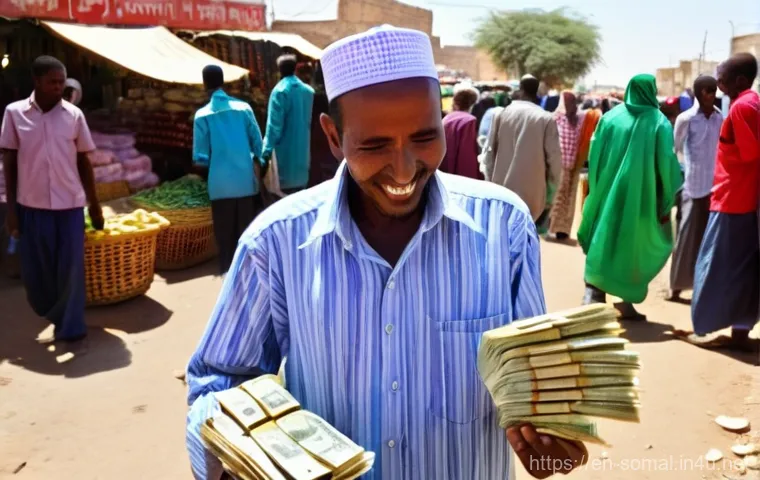
Venturing into Somaliland, I quickly realized that understanding its dual currency system is like learning a new language – essential for smooth sailing. You’ve got the Somaliland Shilling (SLSH) and the ever-present US Dollar (USD) coexisting, often in the same transaction! What I’ve personally observed is that the Somaliland Shilling is predominantly used for smaller, everyday purchases. Think buying a bottle of water, a quick snack from a street vendor, or paying for a short taxi ride. It’s truly fascinating to see how street money changers, often with enormous stacks of shillings, are still a vital part of the financial fabric, even with the rise of digital payments. For larger transactions, like paying for accommodation, a significant meal, or even longer-distance travel, the US Dollar is almost universally preferred and, frankly, expected. This isn’t just about convenience; it’s a reflection of the shilling’s fluctuating value, which can be quite volatile. From my experience, always having a mix of both currencies, especially smaller USD denominations, can save you a lot of hassle. It’s a delicate balance, and getting the hang of it makes you feel like a true local. It’s a dynamic environment where you’re constantly evaluating which currency makes the most sense for your immediate need, and I find that pretty exciting.
Navigating Exchange Rates and Street Changers
One of the first things that struck me about managing money here was the informal yet incredibly efficient system of street money changers. These individuals, often found in bustling markets, are your go-to for converting USD to SLSH. I’ve learned to trust them; their rates are often better than what you’d find in official establishments, and the process is surprisingly quick and straightforward. However, it’s crucial to be mindful of the current exchange rate, which can shift daily. A quick check on a reliable app or asking a trusted local can help you avoid getting a raw deal. Always count your shillings carefully, as you’ll often be handed a mountain of notes due to the currency’s lower value. It’s an experience in itself, handling such large volumes of cash! It’s also wise to exchange smaller amounts at a time if you’re concerned about carrying too much local currency, though I’ve personally found the system to be quite secure.
When to Opt for US Dollars Over Shillings
As I mentioned, the US Dollar is king for anything substantial. Hotels, car rentals, larger grocery hauls, and most services aimed at international visitors will quote prices in USD. My advice? Always clarify which currency is expected when making a significant purchase. There have been times when I assumed shillings would be accepted for a medium-sized item, only to find the vendor preferred dollars or offered a less favorable conversion rate if I insisted on shillings. Keeping a stash of crisp, smaller USD bills ($1, $5, $10, $20) is incredibly helpful, as breaking a $100 bill for a small purchase can sometimes be a challenge, even if they accept dollars. It streamlines transactions and avoids any awkward fumbling for change, allowing you to move through your day with greater ease.
Embracing the Mobile Money Revolution: Zaad and eDahab
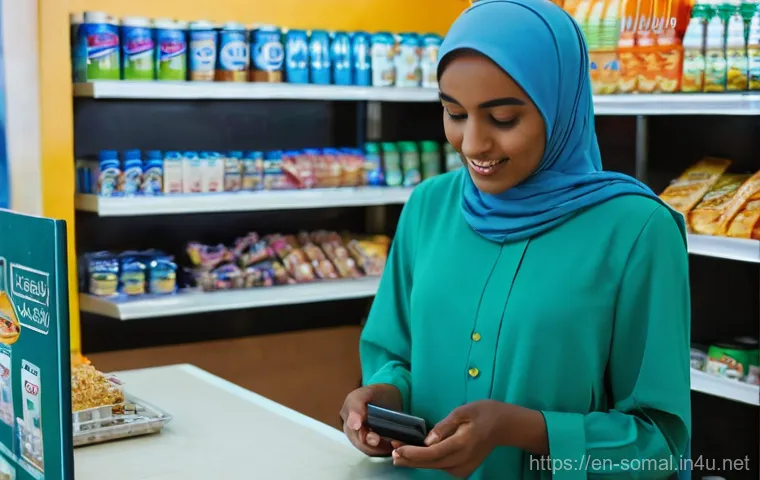
If there’s one thing that completely changed my perspective on banking in Somaliland, it’s the absolute dominance of mobile money. Forget credit cards, forget ATMs – your phone is your wallet here. Services like Zaad (powered by Telesom) and eDahab (from Somtel) aren’t just convenient; they’re the very backbone of daily financial life. I’ve seen everything from street food vendors to taxi drivers and even large supermarkets accepting payments exclusively through these platforms. My personal experience has shown me that without a Zaad or eDahab account, you’re truly missing out on the easiest way to transact. Setting up an account usually requires a local SIM card, which is simple enough to acquire. Once you’re set up, you can load money onto your account at numerous agent locations throughout the country, often identified by prominent signage. It’s like having a digital bank branch on every corner, which is incredibly empowering. I honestly wish this level of seamless mobile payment was as widespread back home! It truly makes cash almost a secondary option for many things, showcasing Somaliland’s leapfrog development in financial technology.
How to Use Zaad and eDahab for Everyday Purchases
Using Zaad or eDahab is incredibly straightforward, even for a first-timer. When you want to pay, you simply dial a short code on your phone, enter the vendor’s number (which they’ll readily provide), the amount, and confirm with your PIN. It’s instant, secure, and you get an SMS confirmation immediately. I’ve found it to be incredibly reliable, and the peace of mind knowing you don’t have to carry large amounts of cash is invaluable. What really surprised me was how deep this integration goes – people pay salaries, receive remittances, and even settle utility bills all through these platforms. It’s not just a payment method; it’s a financial ecosystem. My tip? Get comfortable with one of these services as soon as you can. It significantly enhances your flexibility and makes you feel much more integrated into the local way of life. It’s a game-changer, believe me.
Sending and Receiving Money Remotely
One of the most powerful aspects of mobile money in Somaliland is its role in remittances. For many, it’s the primary way to send and receive money from family abroad. While this might not be your primary use case as a visitor, understanding its significance helps you appreciate the system’s robustness. If you need to send money domestically, perhaps to a new friend or for a service, it’s as simple as sending a text message. The fees are typically very low, making it an incredibly accessible and efficient method for financial transfers. I’ve personally used it to send money to a local guide for a pre-arranged excursion, and the transaction was smooth and instant, allowing us to hit the ground running without any payment delays. This global connectivity through local mobile networks is truly a testament to the nation’s innovative spirit in finance.
Cash vs. Card: What to Expect on the Ground
When I first arrived, I instinctively reached for my credit card, only to quickly realize that plastic is almost a foreign concept here. Forget swiping or tapping; in Somaliland, cash and mobile money reign supreme. My credit and debit cards, which are my go-to payment methods everywhere else, largely stayed tucked away in my wallet. This was a bit of an adjustment for me, as I’m used to the convenience of cashless payments, but it also forced me to embrace the local systems, which turned out to be quite efficient in their own way. ATMs are rare, and when you do find one, it’s almost certainly dispensing US Dollars. Don’t rely on finding an ATM easily, especially outside of the major cities like Hargeisa. It’s a country that’s skipped the credit card phase and jumped straight to mobile payments, and that’s an important distinction to grasp early on. So, while your shiny plastic might offer peace of mind, it won’t be your primary transactional tool here.
Here’s a quick overview of payment methods I’ve found most useful:
| Payment Method | Common Use Cases | My Personal Experience |
|---|---|---|
| Somaliland Shilling (Cash) | Small purchases, street vendors, local taxis, markets | Essential for daily micro-transactions. Always have small denominations ready. |
| US Dollar (Cash) | Hotels, larger meals, inter-city transport, major purchases | Preferred for higher value items. Crisp, smaller bills are best. |
| Zaad / eDahab (Mobile Money) | Almost everything! Shops, restaurants, taxis, services, remittances | The most convenient and widely accepted method. A must-have for seamless transactions. |
| Credit/Debit Cards | Very limited use, primarily at high-end hotels (rarely) | Don’t rely on them. They were almost useless for daily spending. |
The Practicalities of Carrying Cash
Given the reliance on cash for both shillings and dollars, you might be wondering about safety. From my observations, Somaliland is generally a safe place, and I felt comfortable carrying reasonable amounts of cash. However, common sense precautions still apply. I always made sure to keep larger sums secure and out of sight, and distributed cash in different pockets or a money belt. When exchanging shillings, you’ll find yourself with a surprisingly large wad of notes, given their lower value. It’s definitely an experience! I also made it a habit to only carry what I needed for the day to minimize any potential risk. It’s less about fear and more about being a smart traveler and adapting to the local norms, which prioritize physical currency or mobile credit over digital bank cards.
Smart Exchange: Getting the Best Value for Your Dollars
Exchanging your US Dollars for Somaliland Shillings efficiently is key to making your money stretch further. As I mentioned, the informal street changers often offer the best rates. You’ll usually find them in central areas of cities like Hargeisa, often surrounded by stacks of colorful notes. It might look a bit intimidating at first glance, but I’ve always found them to be honest and straightforward. My advice? Don’t be shy; approach them with a friendly demeanor. A quick smile and a clear request for the exchange rate will usually get you the information you need. I’ve learned that a little bit of polite negotiation, or at least understanding the prevailing rate, can sometimes lead to a slightly better deal, especially if you’re exchanging a larger sum. It’s all part of the local experience, and it’s something I’ve come to appreciate about the financial ecosystem here.
Timing Your Exchanges and Monitoring Rates
The Somaliland Shilling’s value against the US Dollar can fluctuate, sometimes even within the same day. While it’s not as volatile as some emerging markets, being aware of general trends can be helpful. I usually try to do a quick check online or ask a local contact about the current rate before heading out to exchange money. There’s no single official exchange rate posted everywhere, so word-of-mouth and observation are your best friends. Don’t feel pressured to exchange all your dollars at once; often, doing smaller, more frequent exchanges as needed can be a smart strategy, especially if you anticipate the shilling strengthening. It’s all about staying a step ahead and being observant, which is a useful skill to hone when traveling anywhere, but especially in unique economic environments like Somaliland’s.
Avoiding Pitfalls: Tips for Safe Exchanges
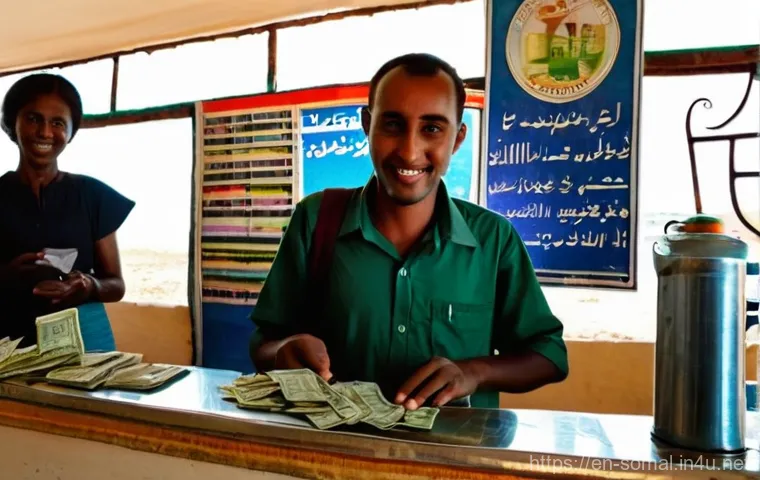
While I’ve had largely positive experiences, it’s always wise to be cautious. When you’re dealing with street changers, make sure you’re in a public, well-lit area. Always count your money immediately and carefully in front of the changer. I’ve also found it helpful to use larger, clear plastic bags to carry the shillings once exchanged, as they can be quite bulky. Double-checking your calculations or having a simple calculator app on your phone can prevent any misunderstandings. Also, be wary of anyone trying to distract you during the exchange process. These are common-sense precautions that apply globally, but they’re particularly relevant when engaging in informal transactions. Building a good rapport with a specific changer you trust can also lead to more consistent rates and a smoother experience over time.
Budgeting and Daily Spending: Local Insights
One of the most exciting parts of visiting any new place is figuring out the cost of living and how to stretch your budget. In Somaliland, I found that daily expenses for essentials like food and local transportation are surprisingly affordable, especially when you use the Somaliland Shilling. Eating at local restaurants, known as “maqaayads,” or grabbing fresh produce from the market will give you incredible value for your money. My personal budgeting strategy here involves estimating my daily shilling needs for small items and then ensuring I have enough USD for larger expenses. This approach has allowed me to enjoy the local culture without constantly worrying about overspending. It’s a fantastic place to explore on a reasonable budget if you’re smart about your currency choices and embrace local eateries. From my travels, I can tell you that embracing the local way of life often leads to the most authentic and cost-effective experiences.
Typical Costs: What to Expect for Food, Transport, and Lodging
Let’s talk numbers, or at least ranges, to give you a clearer picture. A simple, delicious local meal might set you back 20,000-50,000 SLSH (roughly $2-5 USD), while a cup of tea or coffee is often under 5,000 SLSH. A short taxi ride within Hargeisa could be anywhere from 20,000-40,000 SLSH. When it comes to accommodation, this is where the US Dollar really comes into play. Budget-friendly guesthouses might start around $20-30 USD per night, while mid-range hotels can range from $50-100 USD. My advice is to always factor in both currencies when planning your daily budget. I usually keep a mental tally in USD, converting expected shilling expenses as I go, which helps me stay on track. This dual approach to budgeting ensures you’re prepared for both the local cash economy and the dollar-driven services.
Tips for Saving Money and Living Like a Local
If you’re looking to save some pennies and dive deeper into the local scene, here are a few things I’ve picked up. First, eat where the locals eat! Those small maqaayads offer incredible food at a fraction of the price of more tourist-oriented spots. Second, use local transport. Shared taxis or even walking for shorter distances can save you a significant amount compared to private hires. Third, embrace the markets. Not only are they vibrant and fascinating places to explore, but you can also find incredibly fresh produce and goods at great prices. I’ve found that being open to these local experiences not only saves money but also provides a much richer travel experience. It’s about being resourceful and enjoying the authenticity that Somaliland generously offers to those willing to seek it out.
Staying Secure: Financial Security Tips
Even though Somaliland felt very safe to me, being smart about your finances is always a priority, no matter where you are. My approach to financial security here focused on minimizing risk and having backup plans. This meant not carrying all my cash in one place and keeping digital copies of important documents separate from the originals. It’s the kind of practical wisdom that applies everywhere, but it gains a new layer of importance when you’re navigating an unfamiliar currency system. I also made sure to inform my home bank about my travel plans, though cards are rarely used, it’s a good precaution for any unexpected situations. Personal responsibility and vigilance are your best friends in any foreign land, and Somaliland is no exception. It’s all about enjoying your adventure with peace of mind.
Protecting Your Cash and Mobile Wallets
With cash being so prevalent, I adopted a few habits to keep it safe. I always used a money belt or a secure inner pocket for larger sums, keeping only enough for immediate expenses in an easily accessible wallet. When using mobile money, ensure your phone is always password-protected and that you use a strong, unique PIN for your Zaad or eDahab account. Be mindful of your surroundings when making mobile payments, just as you would when counting cash. I’ve also learned to be discreet with my phone when initiating transactions, as you would with any valuable item. The key is to be aware without being paranoid, and to treat your mobile wallet with the same respect you’d give a physical one. It’s a habit that becomes second nature after a while and ensures your funds are always secure.
Dealing with Emergencies and Lost Funds
While I hope you never have to, it’s always wise to have a plan for emergencies. For me, this meant having a small emergency stash of US Dollars hidden separately. Knowing whom to contact in case of a lost phone (and thus, your mobile money access) is also crucial. If you’re with a local guide or host, they can be invaluable resources in such situations. I’ve also made sure to have copies of important numbers, like my bank’s international helpline, saved on a cloud service, not just on my phone. The beauty of mobile money, however, is that your funds are tied to your account, not just the physical SIM card, so a lost phone doesn’t necessarily mean lost money, which is a huge relief. It’s all about preparation, ensuring that even if things go sideways, you have a clear path to resolving the issue and continuing your adventure.
Wrapping Up Our Somaliland Money Journey
Well, friends, we’ve covered a lot of ground today, diving deep into the fascinating world of money management in Somaliland. From the bustling street changers to the revolutionary mobile money platforms, it’s clear this is a place that does things a little differently, and in my opinion, often more efficiently! What I’ve really come to appreciate is how adaptable and innovative the local financial ecosystem is. It might seem daunting at first, but once you get the hang of the shilling-USD tango and embrace Zaad or eDahab, you’ll feel completely at home. This isn’t just about transactions; it’s about connecting with the local rhythm and experiencing the incredible ingenuity that keeps Somaliland moving forward.
Useful Information to Keep in Mind
1. Always carry a mix of US Dollars (small denominations are gold!) and Somaliland Shillings. While USD is great for larger expenses, shillings are essential for those everyday market buys and small treats.
2. Embrace mobile money services like Zaad and eDahab from the get-go. They are widely accepted and incredibly convenient, often replacing the need for physical cash in many situations.
3. Don’t be shy about using street money changers, particularly in places like Hargeisa’s central market. They generally offer competitive rates and are a safe, integral part of the local economy, often displaying their phone numbers for digital payments.
4. Be aware that credit and debit cards are rarely accepted. ATMs are scarce and mostly dispense USD, so plan to rely primarily on cash and mobile money.
5. Prioritize your financial security by distributing cash, using strong PINs for mobile wallets, and staying aware of your surroundings, just as you would in any unfamiliar destination. Somaliland is generally safe, but common sense precautions are always wise.
Key Takeaways for Your Somaliland Adventure
Navigating the financial landscape of Somaliland is truly a unique part of the travel experience, one that speaks volumes about the country’s self-reliance and innovation. My personal journey has shown me that flexibility and a willingness to adapt are your best assets. You’ll find a resilient and welcoming society that has, in many ways, leapfrogged traditional banking systems. Remember, the US Dollar is your best friend for big-ticket items and essential reserves, but the vibrant Somaliland Shilling is what truly fuels the daily life and local interactions. More importantly, getting comfortable with Zaad or eDahab isn’t just a convenience; it’s a testament to Somaliland’s forward-thinking approach to finance and a sure-fire way to seamlessly integrate into local commerce. While you won’t be swiping credit cards, you’ll gain an appreciation for an efficient cash and mobile-driven economy. So, pack your dollars, get ready to handle stacks of shillings, and most importantly, prepare to be impressed by how smoothly things run here. It’s an adventure for your wallet as much as it is for your spirit, and I guarantee you’ll come away with some incredible stories and a whole new perspective on money.
Frequently Asked Questions (FAQ) 📖
Q: So, how do I actually use mobile money services like Zaad and eDahab for my daily purchases in Somaliland?
A: This is probably the most important thing you’ll learn about money here! From my personal adventures, using mobile money like Zaad (by Telesom) and eDahab (by Somtel) is incredibly straightforward and honestly, it’s practically the only way most people pay for things.
You see “Zaad” or “eDahab” signs everywhere – on tiny tea stalls, at busy markets, even for larger purchases in bigger shops. To get started, you’ll need to register for an account, which usually involves visiting a Telesom or Somtel sales office with your ID or passport.
It’s a quick process, and once you’re set up, you’re good to go! When you want to pay, it’s super simple: the vendor will have a specific code or phone number.
You just dial a short code on your mobile, enter their number, the amount you want to pay (usually in USD, as these services primarily deal in dollars), and confirm with your PIN.
Boom! Transaction complete. What really blew my mind is that you don’t even need internet access for these transactions – it all works via USSD codes, meaning even basic phones are totally fine.
I’ve personally paid for everything from a small cup of tea to hotel stays using just my phone. It’s efficient, secure, and I’ve found it to be incredibly reliable.
It’s truly the lifeline of commerce here, and you’ll get the hang of it faster than you think!
Q: Given the unique currency situation, should I rely more on Somaliland Shillings or US Dollars for my spending?
A: That’s an excellent question, and it’s something I wrestled with during my first few days! From what I’ve seen and experienced, the US Dollar (USD) is overwhelmingly preferred, especially for anything beyond very small purchases.
Seriously, don’t be surprised if places, particularly hotels, tour operators, and even many larger shops, quote prices directly in USD. The Somaliland Shilling, while the official currency, tends to fluctuate quite a bit and has seen significant devaluation, which means people often don’t trust its stability for holding value.
You might encounter shillings for very small, everyday items like a single piece of fruit or a local snack, but even then, it’s common for vendors to give you change in mobile money credits if you pay with dollars.
My advice? Carry crisp, newer US Dollar bills (avoiding anything too old or torn, and preferably not one-dollar bills as they can be hard to use). Then, leverage mobile money for the vast majority of your transactions.
If you do get some shillings, use them for those tiny local purchases, but don’t expect them to be your primary currency. It’s almost like the US Dollar acts as the stable backbone, while mobile money is the nimble, everyday payment method that keeps everything flowing.
Q: Is Somaliland truly a “cashless society,” or should I still carry some physical cash just in case?
A: Based on my travels and observations, Somaliland is remarkably close to being a cashless society, more so than many places I’ve visited globally! The introduction of mobile money systems like Zaad and eDahab has genuinely transformed daily life, making cash almost, but not entirely, obsolete.
You’ll find that a significant percentage of the population uses digital money for their daily transactions, from buying groceries to paying utility bills.
It’s incredibly efficient and has filled a huge void given the limited traditional banking infrastructure and the challenges of carrying large amounts of devalued local currency.
However, and this is a crucial “just in case” tip: while mobile money is king, I always recommend having a small stash of physical US Dollars on hand.
Think of it as a backup for those rare instances. Perhaps you’re in a very remote area, or you stumble upon a tiny vendor who exclusively deals in a bit of cash for a trivial item, or maybe there’s a temporary network issue (though these are rare in my experience).
Remember, credit cards and traveler’s checks are generally not accepted at all, and ATMs are few and far between, mostly dispensing USD in larger cities if you can even find one.
So, while you’ll be leaning heavily on your mobile wallet, a few crisp USD notes for emergencies or very specific situations can provide peace of mind.
But truly, your phone will be your primary wallet here!