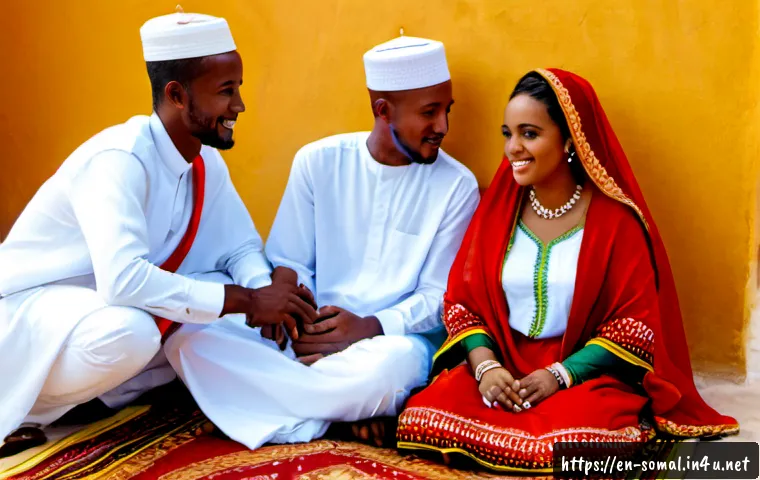
Somaliland wedding customs are best understood as family-led celebrations shaped by Islamic marriage practices, not as one fixed script that every couple follows.
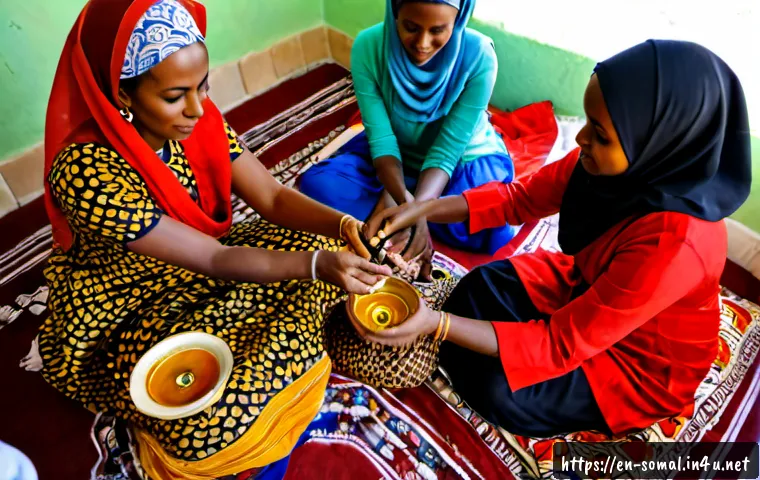
The most respectful approach is to confirm the nikah arrangements, family expectations, guest rules, and any civil paperwork separately. The mahr is an agreed marriage gift or financial obligation for the bride, while celebration costs such as food, transport, photography, or venue hire are separate decisions.
Guests should ask before assuming anything about dress, photography, gender-separated spaces, music, or timing. Couples comparing venues or wedding services should focus on privacy, capacity, transport, catering scope, and written inclusions rather than a headline price alone.
This is especially useful for diaspora families and international guests planning across different household and city expectations.
At a Glance
- Family confirmation matters more than universal rules: the sequence and style of a Somaliland wedding can differ by household, location, and diaspora setting.
- The nikah, mahr, celebration, and civil paperwork are not the same thing: each may involve different conversations and requirements.
- Guests should ask before acting: confirm dress, photography, arrivals, gifts, food, and whether gatherings are separate for women and men.
| Celebration Format | Privacy | Guest Capacity | Transport Needs | Common Cost Drivers |
|---|---|---|---|---|
| Home gathering | Usually easier to manage according to family preferences | Depends on the available home space | Guests may need clear arrival and parking guidance | Food, seating, household setup, and guest logistics |
| Community hall | Can offer designated rooms or more structured gathering areas | Often suited to a larger planned guest list | Consider access, pickup arrangements, and guest directions | Venue hire, catering scope, seating, and event coordination |
| Hotel or event space | May offer private rooms, but confirm access and media policies | Can provide more flexible event-space options in urban areas | Transport planning may be important for guests and suppliers | Room hire, food service, photography arrangements, and transport |
What a Somaliland Wedding Commonly Includes
The nikah, family involvement, and celebration as separate parts
A Somaliland wedding may bring together several connected but distinct elements. The nikah is the Islamic marriage contract. The mahr is a marriage gift or financial obligation agreed for the bride. Family discussions, hospitality, food, clothing, henna, music, and guest celebrations may surround the marriage, but they should not be confused with the nikah itself.
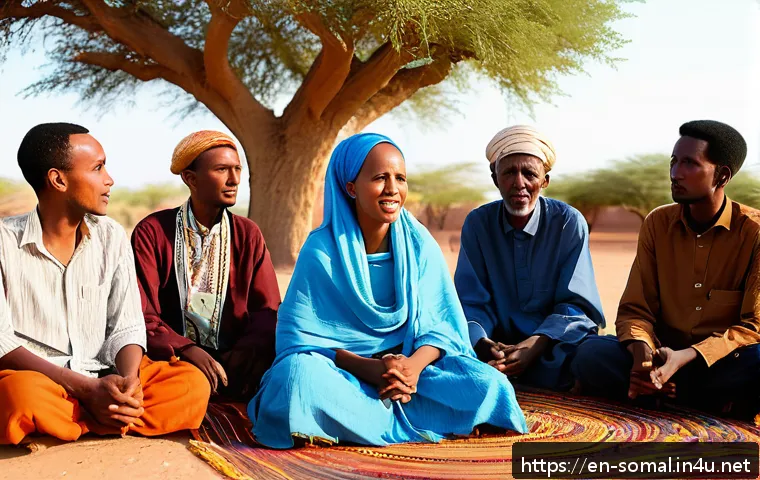
Family participation is commonly important. Relatives may be involved in introductions, marriage discussions, guest arrangements, and the celebration. That does not mean every family follows the same order, holds events on the same schedule, or has identical expectations. A useful planning habit is to separate the questions: What is needed for the religious marriage? What does each family want for the gathering? What documentation must be handled separately?
What guests should confirm instead of assuming
Do not assume that all guests will attend the same event or sit in the same space. Some weddings include separate gatherings for women and men, while other arrangements vary by household, venue, and diaspora context. Ask the couple, a close family contact, or the event coordinator which gathering you are invited to attend.
It is also respectful to ask about arrival timing, dress expectations, food arrangements, gifts, and photography. A simple question such as “Is there anything you would like guests to know before attending?” can prevent awkward misunderstandings. This is more reliable than relying on broad descriptions of Somali wedding customs online.
Ceremony and Celebration Formats: Comparing Practical Options
Home-based gatherings versus hired venues
A home-based celebration can make it easier for a family to shape privacy, hospitality, and guest flow around its own preferences. It may also require careful coordination for seating, food service, arrivals, and available space. A community hall, hotel, restaurant-style venue, or other event space can offer a more structured setup, particularly where a larger guest list or separate gathering areas are needed.
In Hargeisa and other urban areas, couples may find different options for venues, catering, photography, and transport than in smaller communities. Availability should not be assumed. Ask providers what they can actually supply on the event date and whether their service fits the family’s preferences.
Privacy, guest capacity, transport, catering, and photography considerations
Before selecting an event venue, discuss the practical issues that can affect comfort. These include whether the space supports separate gatherings if desired, how many guests can be accommodated, how food will be served, and whether guests need transport guidance. If relatives are arriving from different neighborhoods or countries, clear directions and contact details can be as valuable as decorative planning.
Photography deserves its own conversation. Some families may welcome formal wedding photography, while others may prefer limited images, women-only photography arrangements, or no social-media sharing. A photographer should receive clear permission rules before the event, not after images have been taken. The same applies to video, livestreaming, and guest phone cameras.
Understanding mahr versus wedding-event expenses
Mahr is not the total cost of a wedding. It is an agreed marriage gift or financial obligation for the bride. Venue hire, catering, clothing, transport, decoration, photography, and guest hospitality are separate celebration expenses. Keeping these categories distinct helps families discuss priorities without turning a religious or personal agreement into a vague event budget.
Couples can avoid confusion by listing decisions under separate headings: nikah arrangements, mahr agreement, family-hosted celebrations, vendor services, and civil documentation. This structure is also useful when more than one household is contributing to different parts of the wedding.
Planning Respectfully: Steps, Questions, and Common Mistakes
Confirming religious, family, and legal requirements separately
Start early with three separate conversations. First, confirm the religious arrangements for the nikah. Second, discuss family expectations for guests, celebrations, and cultural details. Third, confirm whether civil documentation or legal recognition involves separate requirements. Marriage-registration requirements should be checked with relevant local authorities or qualified local advisers.
A common mistake is treating one part as automatic proof that every other part is complete. A family gathering may be meaningful and important, but civil documentation can involve separate processes. Likewise, a venue booking does not settle religious arrangements or family agreements.
Dress, greetings, gifts, and food etiquette
Somali cultural dress may be part of the celebration, but guests should not assume one required outfit. Ask whether the family has a dress preference, whether the event is formal, and whether modest dress is expected. If you are unsure, choosing respectful, modest clothing and confirming with the host is usually the safest approach.
For greetings and gifts, follow the lead of the hosts and close relatives. Some families may have clear gift expectations, while others may simply value attendance and good wishes. Food and hospitality can be important parts of the celebration, so notify the host early if you need clarification about what will be served or how the gathering is organized.
Avoiding assumptions about gender-separated spaces and media sharing
Gender-separation preferences can differ widely. Do not assume that a wedding is fully mixed, fully separate, or organized in the same way as another Somali or Muslim wedding you attended. Confirm which spaces guests may enter, whether there are separate arrival instructions, and whether women-only gatherings have additional privacy expectations.
Do not post photos or videos simply because you were invited. Ask first, especially when images may include people who do not want to appear online. A respectful guest treats permission as part of wedding etiquette, not as a last-minute courtesy.
Guidance for Guests, Diaspora Couples, and International Partners

Attending as a first-time guest
If this is your first Somaliland wedding, focus on being observant and flexible. Arrive according to the host’s instructions, greet people respectfully, and ask a family contact if you are uncertain where to go. There is no need to perform cultural knowledge. Quietly following the family’s lead is often more appreciated than making assumptions.
Blending family traditions across countries
For diaspora couples, wedding planning may involve expectations from Somaliland alongside practical realities in another country. The most useful early discussion is not “Which tradition is mandatory?” but “Which parts are meaningful to each family?” A couple may decide to preserve family involvement, henna, food, hospitality, or a specific style of gathering while adapting venue choice, guest arrangements, or travel logistics.
Write down agreed decisions while they are still clear. This can reduce confusion when relatives, vendors, and guests are coordinating across different locations. It also helps distinguish family preferences from requirements that need separate confirmation.
When an interpreter, coordinator, or culturally experienced vendor may help
An interpreter can be helpful when important conversations involve relatives who are more comfortable in different languages. A wedding coordinator or culturally experienced vendor may also help translate practical expectations into venue layouts, catering plans, transport schedules, and photography permissions. Their role should be clear: they can support communication, but major family and religious decisions should still be confirmed directly with the people involved.
Choosing Services and Comparing Wedding Options
Questions to ask venues, caterers, photographers, and transport providers
Ask venues whether they can support the preferred privacy arrangement, guest flow, seating plan, food service, and arrival process. Ask caterers exactly what their service includes, who handles serving, and how the food setup works at the chosen location. Ask photographers about permission procedures, image delivery, and whether they can follow a no-sharing or limited-sharing rule.
For transport providers, confirm pickup points, timing, passenger arrangements, and how changes will be communicated. If interpretation is needed, clarify which conversations or documents require language support. These questions are practical, but they also show respect for family expectations.
Comparing written quotes by inclusions rather than headline price
A written quote is easier to compare when it identifies the actual inclusions. For example, a venue quote may differ depending on room access, seating, timing, catering coordination, or transport support. A photography quote may differ based on hours, permissions, delivery arrangements, and whether social-media sharing is allowed. Compare the scope of service, not only the headline price.
Ask each provider to put agreed details in writing. This is especially helpful where several family members are coordinating, where guests are traveling, or where the event includes separate gatherings with different needs.
A final decision checklist for family expectations and event logistics
Before confirming services, make sure the couple and both families have discussed the nikah arrangements, mahr agreement, guest format, privacy preferences, food plan, photography rules, transport needs, and documentation questions. A provider can support the event, but the family should first agree on the priorities the provider is expected to follow.
Selection Criteria and Comparison Summary
Use this final check before booking: confirm the nikah plan separately; keep mahr distinct from event spending; choose a space that fits privacy and guest-capacity needs; verify catering, transport, and photography permissions; and request written quotes with clear inclusions. For venue, catering, photography, interpretation, or transport services, check the provider’s official details page for current scope and conditions before making a decision.
In Closing
A respectful Somaliland wedding plan begins with conversation, not assumptions. The nikah, mahr, family celebration, and civil documentation may overlap in meaning, but they are separate areas to discuss. Guests can show care by confirming expectations in advance and respecting privacy during the event. Couples can reduce stress by agreeing on family priorities before comparing vendors and venues.
Useful Things to Know
1. Family involvement is often central to introductions, discussions, guest arrangements, and celebrations.
2. Henna, Somali cultural dress, music, food, and hospitality may be part of a wedding, but the format varies.
3. Hargeisa and other urban areas may offer different wedding-service options than smaller communities.
4. Photography and social-media sharing should always be confirmed directly with the hosts.
Important Notes
No exact wedding sequence, duration, guest count, mahr amount, vendor availability, or legal requirement should be assumed from a general guide. Family preferences may differ by household, city, budget, and diaspora setting. Confirm civil marriage-registration requirements with relevant local authorities or qualified local advisers, and confirm religious and event details directly with the couple or their families.
Frequently Asked Questions
Q1. What should a guest wear to a Somaliland wedding?
A1. Ask the couple or host about the expected level of formality, modesty preferences, and any specific cultural dress guidance. Somali cultural dress may be part of the event, but there is no single guest outfit that should be assumed for every family or venue.
Q2. Is mahr the same as the total cost of a Somaliland wedding?
A2. No. Mahr is a marriage gift or financial obligation agreed for the bride. It is separate from celebration expenses such as venue hire, catering, transport, clothing, photography, and other guest arrangements.
Q3. Can international guests take photos at a Somaliland wedding?
A3. Only if the couple or family confirms that photography is welcome. Rules may differ by gathering, venue, and household, especially where privacy or gender-separated spaces are involved. Do not post images online without clear permission.